

Filmmakers are always looking for better ways to build the visuals that carry a story. Wonder Dynamics‘ AI-powered tool, Wonder Studio, targets that goal by automating much of the technical work in film production, changing how CG characters get made and placed into live-action scenes.
Key Takeaways
- Wonder Studio automates 80%–90% of VFX work, freeing filmmakers to spend their time on the creative side of storytelling instead of on repetitive technical tasks.
- The tool works with popular platforms such as Blender and Unreal Engine, which simplifies production and cuts the need for costly hardware.
- Features like automatic animation of CG characters and advanced camera and lighting controls give directors more command over the visual side of a story.
- With routine technical constraints out of the way, artists have more room to experiment with new techniques and styles.
- Steven Spielberg’s advisory role and investment from Horizons Ventures point to the platform’s potential effect on the future of storytelling.
Understanding Wonder Dynamics – Use VFX to Create a 3D Model
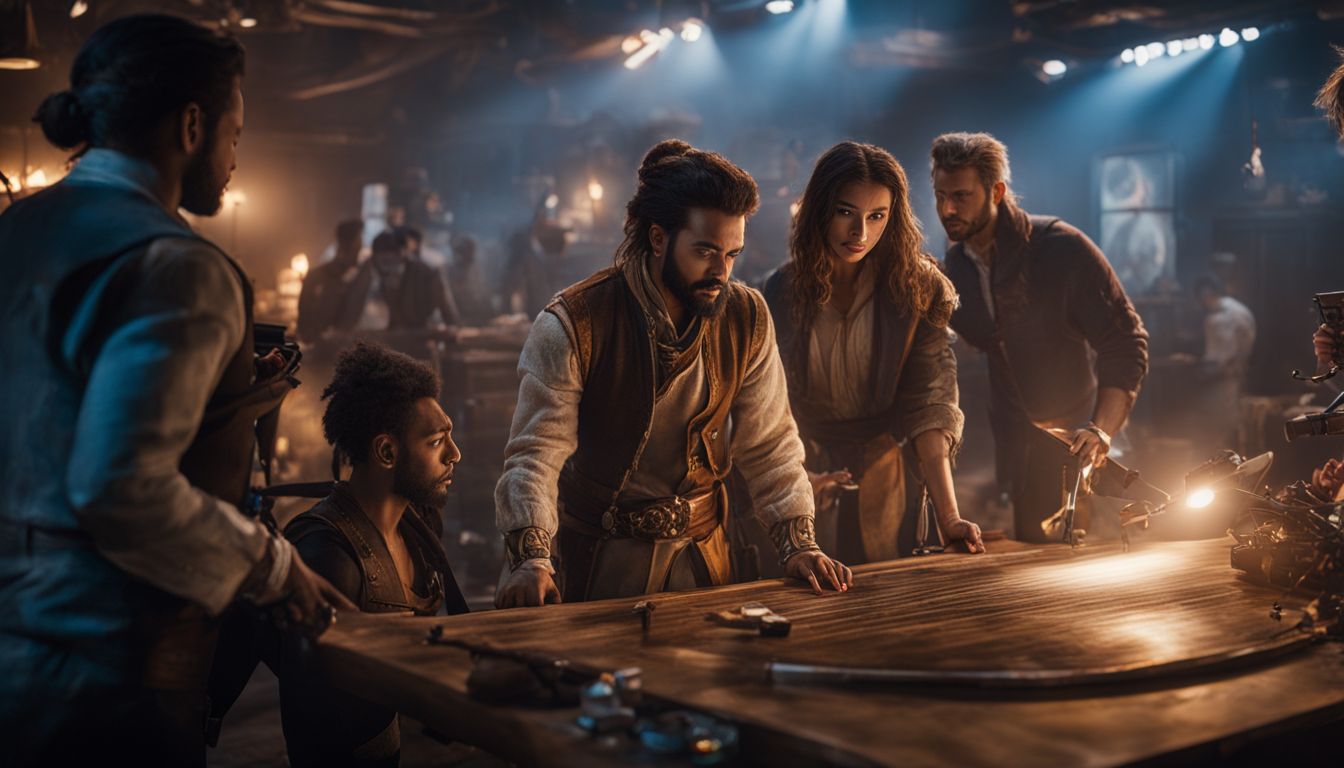
Wonder Dynamics is an AI tool that fits into existing animation and VFX pipelines. It handles automatic animation and composition of CG characters, along with dynamic camera and lighting control.
An AI tool for animation and VFX
Wonder Studio is filmmaking technology built to speed up the creation of visual effects and animation. Its main job is to automate up to 90% of the “objective” VFX work — the technical steps that follow set rules rather than call for creative judgment.
With this tool, artists can animate CG characters and place them into live-action footage without a traditional motion-capture setup. That approach speeds up production and lowers the cost of the expensive hardware such work usually requires.
Because it adapts to current workflows, Wonder Studio causes little disruption when a team adopts it. Artists can export their work to popular platforms such as Blender and Unreal Engine, connecting the tool’s efficiency to their own artistic goals.
In practice it works like a VFX team that handles the tedious part of the job in the background, running through the objective tasks while the filmmaker concentrates on the storytelling itself. Because the heavy technical lifting no longer sits with a person, a stage that once demanded long hours of manual effort can move much faster.
Integration into existing pipelines
The real strength of Wonder Dynamics is how easily it joins a workflow already in place. Teams can add Wonder Studio to their projects without tearing down the systems they have built.
The software works with commonly used platforms including Blender, Unreal Engine, and Maya. By staying within these industry standards, it takes a task that has always been complicated — blending CG characters with live-action footage — and makes it far more manageable.
Whether the project is a feature film or an independent short, this means less time spent on compatibility problems and more time spent on the creative vision behind the work.
Exploring the Features of Wonder Studio
Wonder Studio offers automatic animation and composition of CG characters plus dynamic camera and lighting controls. It adapts to existing pipelines and gives filmmakers more creative room in how they tell a story.
Automatic animation and composition of CG characters
Automatic animation and composition of CG characters change how the visual effects process runs. Wonder Studio animates digital creations and folds them into live-action footage on its own, so much of the manual compositing simply disappears.
Because the system performs up to 90% of the objective VFX tasks, artists can put their attention on giving characters expressions and movements that feel right rather than on the mechanics of getting them on screen.
The gain is not only speed but believability. With scene detection and actor tracking, the AI-driven tools make sure animated characters interact realistically with their surroundings.
Performance transfer means an actor’s gestures and expressions can be mirrored by their CG counterpart, closing the gap between live-action and animation so a scene holds an audience’s attention.
Adaptive to existing pipelines
Wonder Studio is built to be adaptive, working with industry-standard software such as Blender, Unreal Engine, and Maya. That compatibility lets teams export and move data easily between tools.
The result is a smoother path for fitting AI into systems already in use. Its flexibility makes Wonder Studio a practical choice for teams that want to improve their production process without upending their current pipeline. Whether the task is exporting to popular software or adapting to a different workflow, the tool keeps AI from getting in the way of established habits.
Dynamic camera and lighting
Wonder Studio also brings dynamic camera and lighting to the process. It allows interactive camera adjustments and advanced lighting options, which artists use to build custom character looks and stylized designs that shape the overall feel of a production.
Because these adjustments can be made in real time, filmmakers can settle on a distinct character appearance and a personal cinematographic style, giving them more control over how a story reads on screen. Rather than waiting for a lighting pass to render before judging the result, a creator sees the character’s look take shape as they work and can refine it on the spot.
The tool adapts its lighting to what a scene needs, and its customizable lighting effects open up a wide range of cinematic choices for creators to work with.
The Impact of AI on Storytelling
Wonder Dynamics’ AI simplifies production for filmmakers, which opens the door to more creative freedom and more original content. By fitting into existing pipelines, it handles the animation and composition of CG characters and gives visual storytelling new room to grow.
Simplified production process
Wonder Dynamics automates 80%–90% of VFX work, which sharply reduces the reliance on motion capture and complex 3D software. Because it works with Blender, Unreal Engine, and Maya, the tool is both cost-effective and time-efficient for automating animation.
Cutting that technical load lets artists focus on the subjective VFX work — the choices that actually shape a shot. By removing traditional motion capture and slotting into existing pipelines, Wonder Studio makes more creative storytelling possible without giving up quality or speed.
With that adaptability and its automatic detection features, Wonder Dynamics sets a higher bar for how simple an AI-assisted production process can be.
Increased creative freedom
With a simpler production process, creators can explore parts of a story they might otherwise skip. Spending less time and effort on routine tasks leaves more room to experiment and refine.
Artists can push the limits of what they attempt, trying unconventional techniques, styles, and narratives without technical constraints holding them back. With the AI handling much of the production groundwork, storytellers get more time to develop their ideas and sharpen the look of a piece.
Enhancing Visual Storytelling with AI Technology
Wonder Dynamics has changed visual storytelling by letting AI handle much of the production process. Its ability to automate the animation, lighting, and composition of CG characters keeps the workflow simple and efficient for creators.
The tool also expands creative freedom: users can build sci-fi worlds and transfer actor performances onto chosen CG characters with little effort. That combination speeds up production while raising the overall quality of the finished result.
Its ability to adapt to existing pipelines and its compatibility with popular software such as Blender, Unreal Engine, and Maya make Wonder Dynamics a versatile option for professionals in the field.
Backed by funding from investors such as Horizons Ventures and other well-known names, Wonder Dynamics is set to keep shaping the future of visual storytelling with AI.
The Future of AI in Storytelling with Wonder Dynamics
AI is set to reshape the entertainment industry, and Wonder Dynamics’ technology promises to streamline production while giving filmmakers, animators, and visual effects artists more creative freedom than they have had before.
Because it fits into existing pipelines, the tool aims to democratize the film and TV industry by making animation automation, CGI integration, live-action composition, and actor tracking easier to reach.
Its collaboration with industry leaders such as Autodesk reinforces that commitment to innovation. By applying AI to performance transfer and to dynamic camera and lighting control, Wonder Studio works to open up new possibilities for visual storytelling.
The approach marks a real shift toward both efficiency and creativity in how stories get built across media platforms, and it raises the quality of the content produced along the way.
Conclusion
Wonder Dynamics’ AI tool, Wonder Studio, reshapes storytelling by automating the animation, lighting, and composition of CG characters placed into live-action scenes. Filmmakers get a simpler production process and more creative freedom, since the tool takes over technical work such as motion capture and lighting.
The technology also removes the need for expensive production hardware and complicated 3D software. By making the film and TV industry more accessible through AI, Wonder Dynamics clears a path for original content at a lower cost.
With Steven Spielberg as an advisor and significant funding behind it, Wonder Dynamics is well placed to reshape visual storytelling with its AI technology.
For more on how AI is changing visual storytelling, see our feature on Picwish AI.
Related Articles

AI Software
How AI-Powered ATS Tools Boost Diversity in Hiring — Real DEI Use Cases (2026)
Continue reading →

AI Software
5 Powerful AI Features Revolutionizing Hiring Workflows in 2026
Continue reading →

AI Software
How To Choose The Best Image Recognition Software For 2026
Continue reading →

AI Software
Best AI Resume Screening Tools in 2026 to Hire Faster
Continue reading →