
Every project carries some level of risk, no matter how carefully it’s planned. What separates projects that recover smoothly from ones that spiral is usually whether the team saw trouble coming.
This guide walks through what a risk register is, why project teams rely on one, and how to build a version that actually gets used instead of gathering dust.
Key Takeaways
- A risk register is a project management tool for identifying and tracking potential risks across a project or business operation.
- It gives project managers a way to log possible problems, gauge how likely and how damaging each one is, and plan how to prevent or contain them.
- A typical risk register covers risk identification, description, category, likelihood, analysis, and mitigation measures.
- Teams that use a risk register tend to manage risk more effectively, make sharper decisions, and catch problems earlier.
Definition of a Risk Register
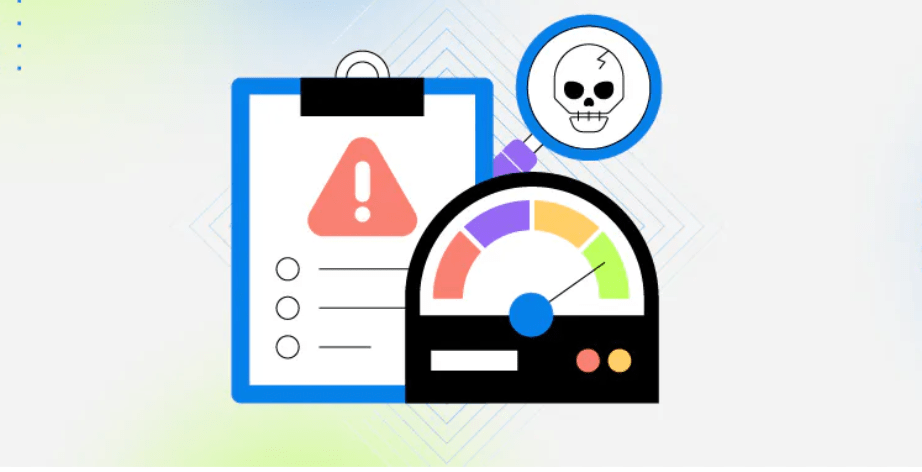
A risk register is a core tool in risk management that organizations use to identify, analyze, and manage potential risks across a project or business operation.
Purpose of a risk register
A risk register works as a running log of everything that could go wrong on a project. Instead of scrambling when an issue hits, teams that maintain one have already written it down and can react from a plan rather than from scratch.
Beyond just listing risks, the register records how serious each one could be and what actions would prevent or contain it. Only risks that genuinely matter to the project make the list, not every hypothetical worry. Kept current, it catches problems while they’re still small enough to manage cheaply.
Because risks shift as a project moves forward, the document needs regular updates across the entire project lifecycle, not just at kickoff.
Differences between a risk register and a risk matrix
A risk register and a risk matrix both play a role in risk management, but they serve different purposes and are built differently.
| Risk Register | Risk Matrix | |
|---|---|---|
| Purpose | To document, track, and monitor potential risks and take appropriate measures to prevent or correct them. | To visually represent the probability and impact of identified risks, aiding in prioritization and decision-making. |
| Structure | Can be displayed as a table or a scatterplot, capturing a wide range of information about each identified risk. | Usually presented as a grid with likelihood on one axis and impact on the other, helping to visually identify high-priority risks. |
| Components | Contains risk identification, description, category, likelihood, analysis, and mitigation measures. | Consists only of risk likelihood and impact. |
| Regularity of Updates | Should be updated and reviewed regularly throughout the project lifecycle. | Usually updated periodically or when significant changes occur in the risk environment. |
| Project Management Role | Serves as the first step in managing risks effectively. | Aids in risk evaluation and forms the basis for risk response strategies. |
Both tools matter for risk management, but each one covers ground the other doesn’t, and using them together strengthens a project’s overall risk posture.
Components of a Risk Register

A risk register is typically built from six parts: risk identification, risk description, risk category, risk likelihood, risk analysis, and risk mitigation.
Risk identification
Risk identification is the starting point: spotting what could cause trouble or harm down the line. The risk register is where each of these potential dangers gets recorded as it’s found.
Nobody wants avoidable surprises, so it pays to examine every part of a project plan closely and surface threats before they escalate into real problems.
Risk description
A risk description spells out, in plain terms, what a potential risk is and how it could affect the project or organization, covering its nature, severity, and likely consequences.
Each risk entered in the register is described in terms of what could happen and how likely it is to happen. That clarity helps stakeholders grasp exactly what they’re up against and supports better decisions when it’s time to build mitigation strategies and response plans.
Accurate descriptions make sure everyone involved shares the same understanding of what challenges might lie ahead.
Risk category
Risk category is how the register groups and classifies different kinds of risks, giving project managers and specialists a clearer sense of what they’re dealing with and how to prioritize it.
Sorting risks into categories makes it easier to spot patterns, weigh likelihood against impact, and put together the right response plans. Common categories include technical risks, operational risks, financial risks, or regulatory compliance risks.
Each category flags a distinct area of concern that has to be addressed for the project to succeed. Clear categories keep the register organized and make ongoing management of potential issues easier throughout the project lifecycle.
Risk likelihood
Risk likelihood is simply the probability that a given risk event will actually occur. It gives project managers and specialists a sense of how real a particular threat is during a project.
Assessing likelihood lets teams prioritize risks and put resources where they matter most. Because the register records likelihood for every identified risk, project managers can build response plans and mitigation measures that match the actual level of threat.
Reviewing and updating the register on a regular schedule throughout the project lifecycle keeps risks under active watch and addressed proactively.
Risk analysis
Risk analysis is where potential risks get weighed, not just listed. It means assessing the likelihood and impact of every risk already logged in the register, so project managers can see which ones deserve immediate attention.
During this step, teams evaluate how likely each risk is to occur and what it would mean for the project if it did. That analysis is what lets project managers make informed calls on resource allocation, response plans, and which mitigation measures come first.
Keeping the analysis current helps projects stay on track and limits the damage from events nobody saw coming.
Risk mitigation
Risk mitigation covers the proactive steps taken to reduce either the likelihood or the impact of risks already flagged in the register.
Putting mitigation strategies into practice lowers both the odds of a risk occurring and the damage if it does. That might mean tightening security protocols, building backup plans, adding redundancy measures, or training team members on best practices.
The end goal is protecting the project’s success from risk impact, whether that means preventing it outright or softening the blow. Ongoing review of the register lets project managers judge whether mitigation efforts are actually working and adjust course along the way.
Benefits of Using a Risk Register

A well-maintained risk register pays off in a few concrete ways: risks get caught earlier, risk management improves overall, and decisions get sharper.
Early identification of potential risks
Catching risks early is one of the most valuable things a project manager can do. Spotting them at an early stage opens the door to proactive measures that prevent or shrink their impact on the project.
The risk register is where those risks get documented and tracked, giving project teams a basis for analyzing and ranking them by likelihood and severity. That, in turn, supports building effective risk mitigation strategies and directing resources where they’re actually needed.
Reviewing and updating the register throughout the project lifecycle makes sure new risks get identified and addressed promptly, which shows up in better project outcomes.
Improved risk management
A risk register can sharpen risk management considerably, including on technology projects. Documenting and tracking potential risks gives project managers a more effective way to identify and assess them.
From there, they can build the right response plans and direct resources to match. That proactive approach means risks get caught and mitigated early, which limits how much they can hurt the project’s success.
Keeping the register updated and reviewed across the project lifecycle means risks stay under continuous watch and management, which raises the overall effectiveness of risk management efforts.
Better decision making
A risk register also improves the quality of decisions project managers make around risk. It helps them identify and prioritize potential risks, weigh likelihood against impact, and build the right response plans.
With everything documented in one place, project managers can weigh the consequences of different options and pick the course of action that minimizes risk and improves the odds of project success.
Keeping the register updated and reviewed makes sure decision making stays informed for the entire length of the project.
Creating a Risk Register

Building a risk register comes down to following a clear process for identifying and analyzing risks, plus a few practices that make the register genuinely useful. Here’s how.
Steps involved
Here’s the process, step by step:
- Identify the risks that could affect the project.
- Write a detailed description of each risk, covering its nature and potential impact.
- Sort the risks into categories based on their type (e.g., technical, financial, operational).
- Work out how likely each risk is to occur and assess its potential impact.
- Analyze the risks and rank them by severity and likelihood.
- Build mitigation measures or response plans for each risk on the list.
- Track and evaluate the risks for the full length of the project.
- Put control measures in place to reduce each risk’s likelihood or impact.
- Update and review the register regularly so it stays relevant.
- Report on the risks to stakeholders on a regular basis.
Tips for effective risk register creation
A few practices make the difference between a register that’s genuinely useful and one that just sits there:
- Define the project’s scope and objectives clearly, since that’s what makes relevant risks identifiable in the first place.
- Bring key stakeholders and subject matter experts into the risk identification process.
- Apply a standardized risk categorization framework so risks get classified consistently.
- Rank risks by their potential impact and how likely they are to occur.
- Assign an owner to each identified risk who is responsible for managing it.
- Write detailed descriptions for every risk, including what its potential consequences would be.
- Note mitigation measures for each identified risk, spelling out how it will be addressed or avoided.
- Review and update the risk register throughout the project lifecycle, not just once.
- Keep the register easily accessible to all project team members and stakeholders.
- Reassess risks continuously as new information becomes available.
Conclusion
A risk register earns its place in project management by giving teams a structured way to identify and manage potential risks. Documenting and tracking risks this way is what lets project managers make informed decisions and take proactive measures instead of reactive ones.
It’s a core piece of effective risk management, and a well-kept one shows up directly in how a project ultimately turns out.
Frequently Asked Questions
What is a risk register?
A risk register is a document or tool used to identify and record potential risks that could affect a project, business, or organization.
Why is a risk register important?
A risk register is important because it helps organizations anticipate and plan for potential risks, allowing them to be more prepared and proactive in managing those risks.
How do you create a risk register?
To create a risk register, you list down the identified risks along with their descriptions, likelihood of occurrence, impact on the project or organization, and proposed actions to address them.
Who should use a risk register?
A risk register can be used by project managers, business owners, or anyone responsible for overseeing projects or operations within an organization.
Can I update the risk register as new risks arise?
Yes, it’s important to regularly review and update the risk register as new risks are identified or existing ones change in probability or impact. This helps ensure that all potential risks are properly managed throughout the life of the project or operation.

- Independent picks for exactly what you just read about
- Matched to your team size & needs
- Vendors don't pay for placement
Step 1 of 4
How big is your team?
We tailor recommendations to companies your size.















Related Articles

Project Management
11 Best Asana Alternatives in 2026 (Cheaper, Simpler, or More Powerful)
Continue reading →

Project Management
Best Project Management Software for Small Business in 2026: 8 Tools Compared
Continue reading →

Project Management
12 Best Notion Alternatives in 2026 (For Every Team and Budget)
Continue reading →
Project Management
ClickUp vs Asana (2026): Which PM Tool Is Right for Your Team?
Continue reading →