
At their core, SKU numbers are unique codes made up of letters and numbers that retailers create themselves to help organize their inventory process from end to end.
Key Takeaways
- SKU numbers are unique codes used by retailers to organize their inventory and track products.
- SKUs support inventory management by reducing errors and improving operational efficiency.
- SKU numbers help retailers track sales data, forecast demand, focus on high-profit products, recommend relevant items to customers, and raise customer satisfaction.
What is a SKU Number?
A SKU number, also known as a stock keeping unit, is an alphanumeric code used to identify and track products in inventory management.
Definition of SKU
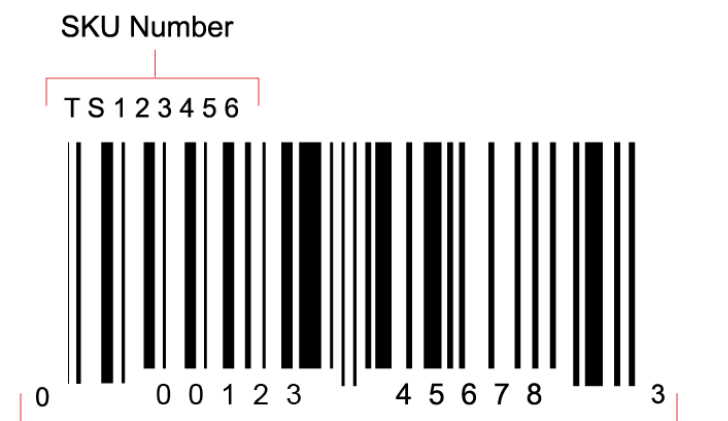
An SKU, which stands for Stock Keeping Unit, is a unique alphanumeric code assigned by retailers to every product in their inventory. It is designed to identify and track items so businesses can effectively manage their stock levels and their sales data.
This scannable product ID eases the inventory management process, cuts potential errors, and improves operational efficiency. The value of SKUs goes beyond simple inventory tracking. They let retailers gauge product performance accurately, tell popular items apart from those that sell slowly, and make strategic stocking decisions based on the data they collect.
Purpose of SKUs
SKU numbers are central to inventory management for retailers and eCommerce businesses. This unique alphanumeric code gives each product in an inventory a distinct identity, so it can be tracked and managed with ease.
SKU numbers help automate inventory tasks, which reduces errors and raises efficiency. They are essential for monitoring stock levels and sales data, and they inform decisions about reordering products or addressing slow-moving items.
With easy-to-scan SKUs on product labels, warehouse operations become quick and error-free. SKU numbers are crucial not only for identifying each item but also for providing useful insight into a retail business’s overall performance across its full inventory.
How to Create and Use SKUs
To create a SKU, retailers assign a unique alphanumeric code to each product based on physical attributes such as size, color, and brand. They should also weigh the size and type of the inventory when generating SKUs.
Benefits of SKUs
SKU numbers offer several advantages for retailers, especially in inventory management and sales data analysis. Here are some of the main benefits:
| Benefit | Description |
|---|---|
| Efficient Inventory Management | SKUs help businesses automate their inventory management processes through the unique alphanumeric codes assigned to each product. |
| Accurate Tracking | With SKU numbers, businesses can precisely track product performance and identify popular and slow-selling items. |
| Data-driven Decision Making | The detailed sales and inventory data from SKU numbers let retailers make informed choices about restocking and overall product management. |
| Simpler Operations | SKU numbers cut errors in retail operations, which improves efficiency. |
| Easy Product Identification | SKU numbers are scannable codes read by barcode scanners, which makes product identification quick and effective in a large inventory system. |
| Improved Customer Satisfaction | By tracking favorite items through SKUs, retailers can give customers personalized recommendations and improve their shopping experience. |

How to Create a SKU Nomenclature
Creating an SKU nomenclature is an important step in effectively managing your inventory. Follow these guidelines to build a clear and well organized system:
| Guideline | Description |
|---|---|
| Start with product categories | Divide your products into logical categories based on their characteristics, such as size, color, brand, or type. |
| Use numbers or letters for categories | Assign a unique number or letter to each category to make it easier to identify and differentiate them. |
| Include subcategories if needed | If your products within a category have further variations, create subcategories using additional numbers or letters. |
| Add specific details | Incorporate specific details about the product, such as its size, color, or material, into the SKU code. These details can help you quickly identify and locate items in your inventory. |
| Keep it concise | Avoid using long or complex codes that can be difficult to remember or input accurately. Aim for simplicity while still capturing all necessary information. |
| Avoid special characters | Stick to alphanumeric characters (letters and numbers) when creating SKUs to ensure compatibility with various systems and platforms. |
| Order information logically | Structure your SKU codes so that they flow logically from general information to more specific details. This will help you quickly navigate and search through your inventory. |
| Consider scalability | As your business grows, consider how your SKU system will accommodate new products without becoming overly complicated. Plan for future expansion by leaving room for additional categories or subcategories in your nomenclature. |
Advantages of SKUs in Retail
SKUs in retail offer a range of advantages, including accurate inventory tracking, sales forecasting, a focus on high-profit products, relevant product recommendations for customers, and ultimately higher customer satisfaction.
Accurately track inventory
SKU numbers let retailers track their inventory accurately. Each product is assigned a unique alphanumeric code, which makes it easy to identify and tell different items apart.
By scanning the SKU codes, businesses can quickly update stock levels, monitor sales data, and make informed decisions about restocking and product management. This helps retailers avoid stockouts or overstocking situations and keep their stock in balance.
This ensures that retailers always have a clear picture of their inventory levels. With accurate inventory tracking through SKU numbers, businesses can simplify their operations, cut errors, and improve overall efficiency in managing their inventory.
Forecast sales
To manage inventory well and make informed decisions, retailers need to forecast sales accurately. By analyzing historical sales data and market trends, SKU numbers can help predict future demand for products.
This lets retailers anticipate which items will be popular or slow-selling and adjust their inventory levels accordingly. With the ability to forecast sales using SKU numbers, retailers can optimize their product offerings, reduce stockouts or overstock situations, and improve their overall profitability over time.
Capitalize on high-profit products
With SKU numbers, retailers can easily identify and track their high-profit products. These unique alphanumeric codes allow businesses to quickly access the sales data and inventory levels for each specific item they carry.
Having that information on hand helps retailers make informed decisions about restocking and product management. By focusing on their high-profit products, retailers can maximize their earnings and drive steady business growth.

Recommend relevant products
As a retailer, using SKU numbers can help you recommend relevant products to your customers. By tracking sales and inventory levels through SKU numbers, you can identify which items are popular and align them with your customers’ preferences.
This data-driven approach helps you understand your customers’ needs better and offer them the products they are most likely to be interested in. Because SKU numbers act as unique identifiers for each product, they also simplify your inventory management processes and improve your overall efficiency when recommending the right items.
By analyzing sales trends based on SKU numbers, you can anticipate customer demands and tailor your product recommendations accordingly. This proactive approach helps boost sales and also raises customer satisfaction by making it easier for shoppers to find the right products.
With the valuable insight that SKU numbers provide, you can refine your product offerings and give your customers a more personalized shopping experience.
In short, SKU numbers let retailers recommend relevant products efficiently by tracking sales data, understanding customer preferences, and anticipating demand based on historical trends.
Increase customer satisfaction
SKU numbers play a key role in increasing customer satisfaction. By tracking inventory levels and sales data accurately, retailers can ensure that popular products are always in stock and readily available for their customers.
This lowers the chance of out-of-stock situations, which often lead to frustration and disappointment for shoppers. With the help of SKU numbers, retailers can also quickly spot slow-selling items and take appropriate action to improve their product offerings.
This proactive approach to inventory management keeps a broad selection of the products customers want in stock and readily available, which lifts overall customer satisfaction and keeps shoppers coming back.
Differences Between SKU Numbers and UPC Codes
SKU numbers and UPC codes serve different purposes in retail.
Definitions of SKU and UPC
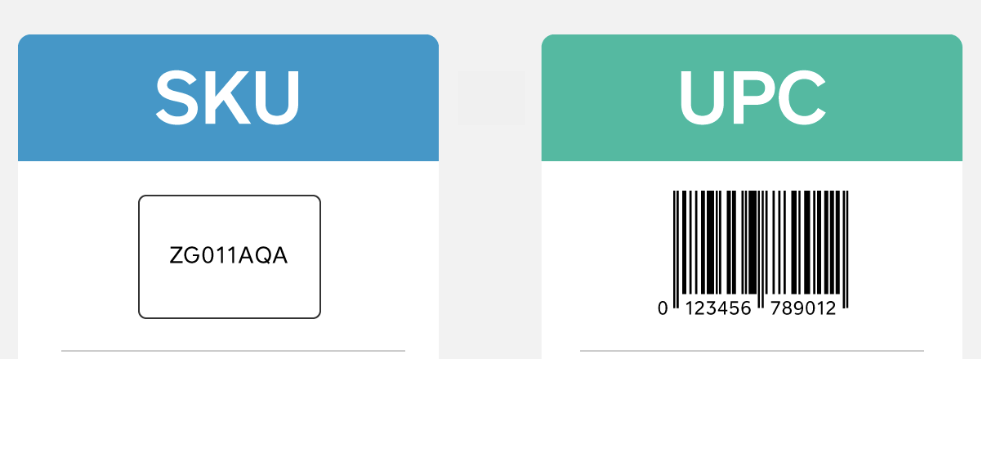
An SKU, or stock keeping unit, is a unique alphanumeric code that retailers use to identify and track their products. It serves as a product ID that helps businesses tell the items in their inventory apart based on physical attributes such as size, color, and brand.
A UPC, or universal product code, is a barcode that represents the SKU number in a scannable format. Both are used for product identification, but an SKU is specific to each retailer’s inventory management system, while the UPC is standardized across all retailers.
Its importance lies in providing accurate tracking of sales data and inventory levels, which supports effective decision-making across retail operations.
Related Articles
Buyers guide
Twilio Alternatives 2026: 6 Compared and What They Cost
Continue reading →

Finance & Billing Software
Best Payroll Software for Contractors and Freelancers in 2026
Continue reading →

Buyers guide
How To Choose The Best Auto Dialer Software For 2026
Continue reading →

Buyers guide
How To Choose The Best Freelance Platforms For 2026
Continue reading →