
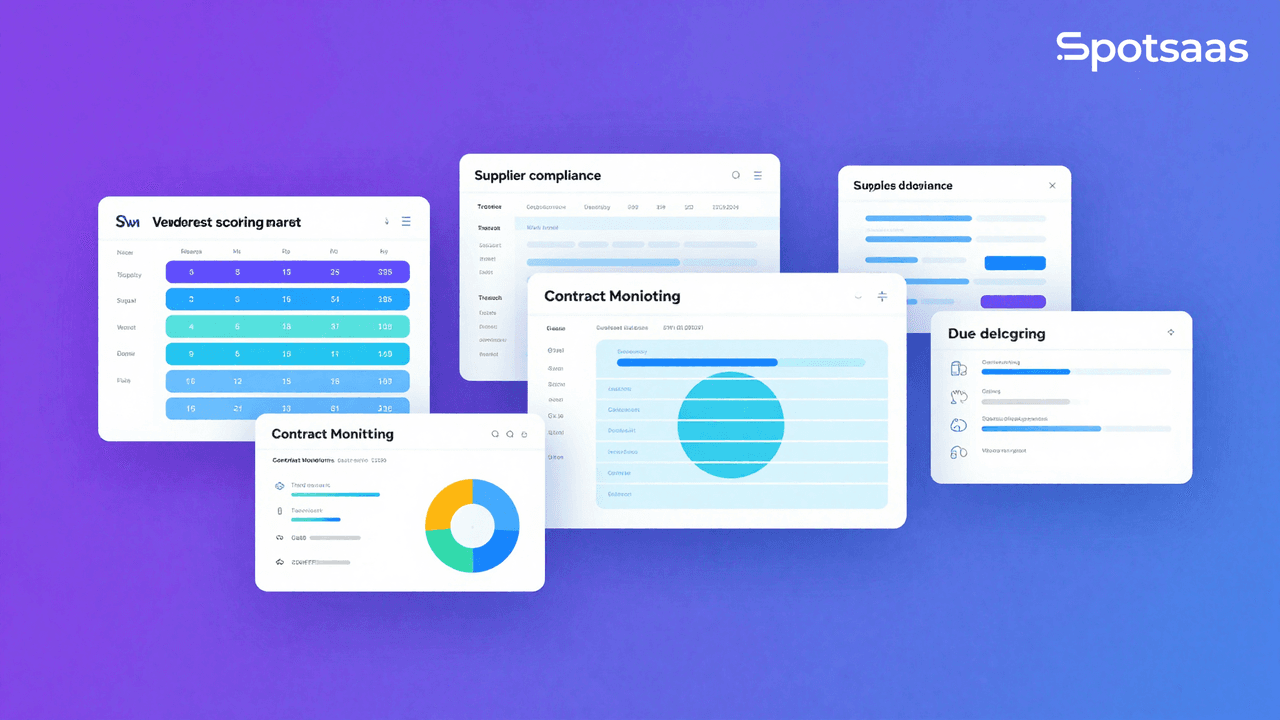
What is Third-Party & Supplier Risk Management Software?
Third-party & supplier risk management software is a digital solution designed to help organizations evaluate, monitor, and mitigate risks associated with external vendors, suppliers, and service providers.
This process covers assessing financial, operational, regulatory, cybersecurity, and reputational risks while ensuring compliance with industry standards. The software protects the supply chain, prevents disruption, and holds vendors accountable throughout the relationship, not just at the point of onboarding.
Why should you use third-party & supplier risk management software?
Strengthening vendor trust and onboarding
The software automates vendor screening, assessing a supplier’s reliability, financial stability, and regulatory compliance before onboarding. It keeps organizations from working with non-credible vendors, thereby minimizing fraud, supply chain disruptions, and compliance violations.
Staying on top of evolving vendor risks
The software allows real-time tracking of supplier risks, such as financial instability, operational failures, and regulatory breaches. Automated alerts inform the organization when potential issues arise, allowing preventive measures to be taken before risks grow.
Keeping up with global compliance standards
The software helps ensure compliance with international regulations such as GDPR, CCPA, and ISO 27001, allowing the business to keep up with ever-changing legal and industry standards. It also provides key features such as automated compliance tracking, audit report generation, and reduced risk of non-compliance penalties.
Building a more resilient supply chain
Because the software identifies weak links and vulnerabilities in the supply chain, organizations can adapt to risk and maintain operational continuity. It helps businesses plan for contingencies, diversify vendor portfolios, and minimize disruptions from supplier failures, geopolitical disruptions, or natural calamities.
Ensuring cybersecurity and data safeguards
The solution evaluates third-party firms’ cybersecurity practices and data protection policies to help ensure vendors don’t suffer breaches and cyber threats. It also helps detect security gaps along the supply chain, enforce stronger data protection measures, and firmly limit unauthorized access to sensitive information.
Smarter risk assessments with automated reporting
It allows businesses to run automatic risk assessments of vendors and capture comprehensive risk reports with built-in analytics and reporting tools. This puts businesses in a position to base decisions on data-driven understanding of supplier risks, supporting informed decision-making and prioritization in risk mitigation.
Managing contracts and SLAs effectively
The program lets businesses consolidate contract management, tracking vendor agreements, service-level commitments, and compliance terms. Supplier non-compliance with contracted obligations can result in breach, dispute, or service failure. Automated reminders for contract renewal and performance reviews help the business maintain vendor relationship efficiency and accountability.
What are the key features of third-party & supplier risk management software?
How vendor risk assessments improve decision-making
This feature evaluates a vendor’s financial standing, operational performance, cybersecurity measures, and regulatory compliance. That helps ensure businesses only work with trustworthy vendors and reduces the risk of financial losses, supply chain disruptions, or compliance violations. Automated assessments use rating and scoring models so high-risk vendors can be identified before they’re onboarded rather than after. Continuous evaluation tracks changes in a vendor’s risk profile over time, supporting compliance and safety throughout the relationship.
How real-time alerts help detect supplier threats
With real-time tracking, businesses can continuously monitor third-party activities and receive an instant alert for a potentially threatening situation like financial instability, a data breach, or a compliance failure. The software combines data from different sources, such as regulatory watchlists, cybersecurity databases, and financial reports, to build a complete view of risk. This supports proactive action against emerging threats, helping avoid disruption to general operations and control risks before they turn into serious issues.
How audit and compliance tools streamline oversight
This feature helps ensure businesses meet global regulatory compliance requirements, including GDPR, ISO 27001, and financial industry-specific standards. It enables automated compliance tracking with minimal effort spent preparing audit documentation and generating reports, helping vendors meet legal and industry-specific requirements. Streamlining compliance work this way helps prevent regulatory fines, lightens the audit workload, and supports transparency in vendor relationships. The software also allows periodic compliance checks on vendors to confirm they remain aligned with the law.
Monitoring supplier performance for better partnerships
This software’s core functions include monitoring on-time delivery rates, product quality, contract adherence, and perceived service dependability. It helps companies appraise supplier performance relative to peers and identify underperforming vendors that represent ongoing risks to operational stability. Analysis of performance results lets organizations make a justified decision to renew, renegotiate, or replace a supplier contract. Performance monitoring also gives businesses a basis for holding vendors accountable and getting more out of supplier relationships.
Assessing vendor security to protect your data
This functionality assesses third-party vendors’ cybersecurity posture and data protection policies to protect critical information. These evaluations include scrutiny of security certifications, vulnerability risks, and adherence to data privacy rules. By identifying weaknesses in a vendor’s security framework, companies can proactively take steps to deny attacks. This matters most for any industry dealing with confidential data, such as financial services, healthcare, and IT.
Streamlining workflows to improve vendor management
By automating vendor onboarding, contract approvals, and risk management processes, this functionality cuts down on manual work and speeds up the decision-making process. It standardizes internal processes, ensuring thorough risk assessment and compliance checks before vendor engagement. Workflow automation reduces human error, improves collaboration between departments, and gives all stakeholders visibility throughout vendor-related processes, making organizations more operationally efficient and better able to meet deadlines.
Capturing incidents to sharpen risk strategies
This function logs incidents involving vendors, such as breaches of contract, service downgrades, or violations of security controls, giving businesses actionable insight. This lets companies establish the frequency and severity of problems and decide on corrective actions accordingly. Organizations can analyze trends, identify repeat risks, and improve their supplier risk strategy by keeping a central record of incidents. This tool also produces audit-ready documentation to comply with regulations covering risk events.
Connecting vendor tools with ERP and procurement platforms
Vendor management tools connect directly with enterprise resource planning (ERP) and procurement software, so vendor-related data lives within a single platform. This keeps communication flowing well between risk management, procurement, and compliance teams, cutting down on data silos. By creating a centralized system for vendor-related processes, companies can be more transparent, collaborative, and informed when making decisions. Integration with third-party platforms like SAP Ariba, Coupa, or Oracle also enables real-time updates to vendor risk profiles and contract compliance.
What are the benefits of third-party & supplier risk management software?
Proactively avoiding supply chain interruptions
This software safeguards a supply chain from disruptors, be it supplier bankruptcy, geopolitical conflicts, strikes, or logistical delays. Continuous monitoring helps detect such events in advance, and contingency plans and alternative-sourcing strategies can be built based on the insights the software provides. This proactive approach helps ensure business continuity, minimizing the impact of unanticipated supplier failures so operations keep running, crisis or no crisis.
Reducing exposure to financial and reputational harm
Such software protects financial health by identifying high-risk vendors before they cause damage to the company. This guards against fraud and saves the company from scrupulous suppliers, regulatory non-compliance, and operational inefficiencies. Another critical objective of a vendor risk management program is protecting the company’s reputation by establishing partnerships only with good, fair, and trustworthy suppliers. By mitigating risk early, businesses safeguard their financial systems and preserve a positive brand image.
Strengthening collaboration with trusted suppliers
Risk management software improves the relationship between businesses and vendors by increasing transparency and communication, fostering stronger and more reliable partnerships. This holds vendors accountable for their commitments, and lets companies track performance and compliance over time. Identifying high-performing suppliers and addressing issues with underperforming ones gives businesses the foundation for more effective, longer-lasting relationships — the kind that lead to better collaboration, better service quality, and win-win contracts.
Boosting compliance while reducing vendor risks
Since compliance tracking is built in, companies can confirm that their vendors follow the necessary regulatory standards or industry best practices. Automated compliance monitoring cuts the company’s risk of fines, prosecution, or shutdowns tied to non-compliance. The software also keeps organizations audit-ready, since it documents risk assessments, incident reports, and regulation adherence. Compliant operations avoid legal headaches and keep the business running smoothly.
Making smarter decisions with risk intelligence
The software provides real-time data and analysis of supplier risks, helping businesses make informed decisions about vendor selection, contract renewals, and risk mitigation strategies. Historical performance analysis and trend identification help organizations recognize patterns that point to high potential risk or opportunity. Advanced reporting tools also help executives and procurement teams build strategic plans based on sound risk intelligence.
Saving costs through automated vendor management
Automating risk and compliance assessments and supplier performance reviews cuts down on manual labor and overhead. This lets an organization use resources more efficiently while reducing costly errors and speeding up vendor management. These control mechanisms also help ensure that disruptions and violations caused by suppliers get dealt with.
This protects the organization against fines, losses from operational downtime, and damage to its reputation. These solutions are designed to improve efficiency and reduce costs while maintaining strong risk controls.
What are the types of third-party & supplier risk management software?
What is a vendor risk management platform?
This type of software focuses on helping firms assess and monitor vendor risks, including regulatory compliance, security vulnerabilities, and financial stability. It helps evaluate suppliers before onboarding and performs continuous risk assessments throughout the vendor lifecycle. Companies use it to confirm that vendors operate securely and to an adequate standard, which reduces other supply chain risks.
Examples: Prevalent, Venminder
How do cybersecurity risk tools safeguard your data?
This category assesses the cybersecurity risks posed by third parties. After examining supplier practices around information security, compliance with data protection laws, and known vulnerabilities, these risk assessment tools assign a risk score and recommend security improvements. Their core function is helping organizations prevent data breaches and cyber threats introduced by third parties, and maintain supply chain integrity against cyber risks.
Examples: BitSight, SecurityScorecard
What is supply chain risk management software?
These applications monitor risk scenarios concerning logistics, supplier performance, and geopolitical factors that may affect supply chains. They help companies track real-time disruptions, evaluate alternative sourcing options, and implement contingency plans to keep operations running. Organizations that use this kind of software are mainly manufacturing and retail firms looking to safeguard their global supply chains.
Examples: Resilinc, Everstream Analytics
How do procurement systems support vendor oversight?
These applications are built for handling supplier contracts, service-level agreements, and procurement processes. They simplify vendor selection, approvals, and contract renewals, and help ensure compliance with procurement policy requirements. Integration with ERP systems further improves transparency and efficiency in supplier management.
Examples: SAP Ariba, Coupa
What are compliance and audit tools for vendor risk?
These compliance tools help businesses monitor vendor compliance with industry regulations and prepare audit-ready reports. They automate monitoring for compliance, risk reporting, and documentation, which lifts a great deal of the burden of manual compliance management. Industries with strict vendor regulations, such as finance and healthcare, rely on these tools to confirm their vendors meet legal requirements.
Examples: MetricStream, NAVEX One.
What Should You Look for When Choosing Third-Party Supplier Risk Management Software?
Selecting the right third-party supplier risk management software helps you assess, monitor, and manage potential risks related to compliance, financial stability, cybersecurity, and operational continuity. The right platform helps businesses make informed decisions about their suppliers, improve collaboration, and minimize disruptions from third-party vulnerabilities, without adding unnecessary complexity to day-to-day operations.
What Goals Should You Define Before Selecting Supplier Risk Management Software?
Before choosing a software solution, it’s essential to define your organization’s goals. These goals could include improving supplier risk assessments, ensuring regulatory compliance, reducing financial exposure, or improving collaboration with third parties.
Assess and monitor supplier risks
The software should offer tools to assess potential risks related to suppliers, such as financial health, operational performance, and compliance with laws and regulations. Continuous monitoring helps ensure any issues are flagged before they affect the business.
Ensure compliance and regulatory adherence
The platform should help businesses comply with local and international regulations and confirm that suppliers meet required industry standards. This includes managing certifications, audits, and vendor-specific compliance requirements.
Mitigate financial and operational risks
A critical objective of supplier risk management is identifying potential financial and operational risks. The software should assess supplier reliability, solvency, and performance history to avoid disruptions in the supply chain.
Streamline supplier collaboration and communication
Practical communication tools are essential for managing relationships with suppliers. The software should include secure messaging, real-time collaboration, and document sharing to improve transparency and communication.
What Types of Supplier Risk Management Software Are Available?
The right model for your organization depends on the scale of your operations, the complexity of your supplier networks, and your specific business requirements, so it pays to map these out before you start comparing vendors.
Different models offer different functionality, ranging from essential risk assessment tools to comprehensive platforms that integrate compliance, performance monitoring, and collaboration features.
Risk assessment and monitoring platforms
These platforms are designed to assess, track, and mitigate risks associated with third-party suppliers. They combine data analytics, industry benchmarks, and performance tracking to identify potential vulnerabilities.
Compliance management software
Compliance management software helps businesses monitor and confirm that their suppliers meet industry regulations, standards, and certifications. This model is ideal for companies in highly regulated industries like healthcare, finance, and manufacturing.
Performance and vendor management systems
These platforms let businesses monitor supplier performance, track key metrics, and manage contracts and agreements. Companies can identify underperforming suppliers and take corrective action by evaluating supplier performance.
Integrated risk and supplier management systems
Comprehensive systems combine multiple functions, such as risk management, compliance tracking, performance monitoring, and collaboration. These platforms provide a unified approach to managing third-party supplier risks and relationships.
Why Is Data Integration Critical for Supplier Risk Management?
Third-party supplier risk management software has to handle and process large amounts of data, including supplier financials, compliance documentation, contracts, and performance data. Integration with other internal systems, such as procurement and financial platforms, helps keep data management and workflow running smoothly.
Supplier financial data and reports
The software should integrate with financial data systems to assess suppliers’ financial health and solvency. By analyzing supplier financials before they become issues, companies can identify potential risks.
Compliance and certification data
The software should track certifications, audits, and compliance reports to confirm suppliers comply with regulatory standards. Integration with compliance databases lets businesses stay informed about their supplier’s status.
Performance monitoring and analytics
Integration with performance monitoring tools helps track supplier performance metrics, such as delivery times, quality standards, and contract compliance. This data helps assess risks related to underperformance or missed expectations.
Vendor risk data
The software should pull together data from various sources to assess suppliers’ risk profiles. This includes risk scores based on historical data, industry performance, and external news sources, which lets businesses track potential disruptions.
What Features Should You Prioritize in Supplier Risk Management Software?
Effective third-party supplier risk management software should offer a range of features to assess, monitor, and mitigate risks effectively. These features should provide strategic oversight along with detailed risk analysis for individual suppliers.
Core features
Risk scoring and assessment tools
The software should score risk based on financial health, operational efficiency, and legal compliance. These scores help businesses prioritize high-risk suppliers and address potential issues before they escalate.
Compliance tracking and reporting
A compliance tracking tool helps businesses monitor whether their suppliers meet necessary regulatory standards. The software should provide automated alerts, audit trails, and reporting capabilities to ensure timely compliance checks.
Performance and reliability monitoring
Supplier performance management tools help track delivery times, product quality, and adherence to contractual obligations. This feature lets businesses monitor whether suppliers meet agreed-upon expectations and take corrective action if necessary.
Supplier communication and collaboration tools
Practical communication tools built into the software enable real-time collaboration between businesses and suppliers. Features like secure messaging, document sharing, and feedback loops help keep operations smooth and communication transparent.
Advanced features
Predictive analytics and risk forecasting
Predictive analytics tools help forecast potential risks by analyzing historical data, market trends, and supplier performance.
Third-party data integration and APIs
The software should allow integration with external data sources, such as financial databases, news feeds, and market research, to gain insight into third-party supplier activities and risk factors. APIs can provide automated updates from various systems.
Contract and document management
Supplier contract management tools help businesses streamline contract negotiation, storage, and tracking. The software should support contract versioning, alerts for renewal dates, and automated document storage.
Sustainability and environmental risk tracking
Beyond financial and operational risks, sustainability and environmental risks are increasingly important. The software should monitor suppliers’ environmental impact, sustainability practices, and compliance with corporate social responsibility (CSR) goals.
How Can Reporting and Analytics Improve Risk Oversight?
Strong reporting and analytics tools are essential for tracking supplier performance, compliance status, and risk management activities. These tools let organizations evaluate and act on key data points.
Granular reporting
Supplier risk and performance reports
Detailed reports should track supplier risk scores, performance metrics, and compliance status. These reports help businesses identify risks, track progress, and take corrective action when necessary.
Financial health and risk exposure reports
These reports provide insight into suppliers’ financial health and flag any financial risks that could affect the supply chain. They help assess potential exposure to high-risk suppliers.
Visualization tools
Custom dashboards
Customizable dashboards display key metrics like risk scores, supplier performance, and compliance status. These dashboards provide an overview of the risk landscape, helping decision-makers quickly identify areas that need attention.
Exportable reports
The ability to export reports in various formats (e.g., PDF, Excel, CSV) helps share insights with stakeholders and feed data into broader enterprise systems.
What Should You Know About Pricing Models?
When selecting third-party supplier risk management software, consider the pricing model and how well it scales. Make sure the chosen model fits your organization’s size, complexity, and future growth plans.
Subscription-based pricing
Most third-party supplier risk management software runs on a subscription model, with fees based on the number of users, suppliers, or risk management features. This model offers flexibility and predictable costs.
Pay-per-use pricing
Pay-per-use pricing charges businesses based on the number of assessments or transactions performed. This is ideal for organizations with varying usage levels, since it can scale with demand.
Custom pricing plans
Larger enterprises may benefit from custom pricing plans that offer tailored features, advanced integrations, and dedicated support. Custom plans are typically suited to businesses with specific requirements or large supplier networks.
How Can You Ensure Scalability in Risk Management Software?
Third-party supplier risk management software needs to be scalable, especially for businesses with a large or expanding supplier base.
Handling increased data volumes
The platform should be able to handle a growing volume of supplier data, including performance metrics, risk assessments, and compliance reports, without giving up performance or security.
Multi-user and multi-supplier support
For larger organizations, the software should support multiple users with varying access levels and the ability to manage a growing number of suppliers across different locations or regions.
Customizable features for growth
Scalable software should allow for customization as business needs evolve, including adding new users, expanding risk categories, or integrating with other systems as the supplier network grows.
What Support and Training Options Should Vendors Provide?
Reliable customer support and thorough training are essential for smooth implementation and ongoing use of the software. The software provider should offer strong support and user resources to help you get the most out of the platform.
24/7 technical assistance
Access to round-the-clock support helps ensure technical issues get resolved quickly, preventing downtime and keeping supplier risk management processes running smoothly.
Onboarding and tutorials
Training resources such as onboarding guides, video tutorials, and user manuals help staff learn the software quickly, supporting efficient adoption across your organization.
How Do Leading Supplier Risk Management Software Solutions Compare?
Choosing the right third-party supplier risk management software is key to effective risk management, compliance assurance, and vendor performance improvement. The comparison below lists leading software solutions by price, core features, ideal use cases, and notable customers, so organizations can choose the one that offers the best vendor due diligence, security assessments, and overall resilience for their supply chains.
| Software | Pricing | Key Features | Best For |
|---|---|---|---|
| Prevalent | Custom | Risk assessments, compliance | Enterprises, risk teams |
| Venminder | Custom | Risk automation, audits | Compliance monitoring |
| BitSight | Custom | Cyber risk scoring | Cybersecurity teams |
| SecurityScorecard | Free-Premium | Security ratings | IT risk monitoring |
| SAP Ariba | Custom | Procurement, supplier management | Supply chain teams |
| Coupa | Custom | Spend analysis, risk | Finance, procurement |
| Resilinc | Custom | AI supply chain intelligence | Manufacturing, logistics |
| MetricStream | Custom | Compliance tracking | Audit, risk teams |
Final Verdict on Choosing Supplier Risk Management Software
Third-party and supplier risk management software helps organizations mitigate the risk associated with vendors, ensure compliance within integrated supply chain operations, and strengthen resilience within the supply chain, even as vendor networks grow more complex.
Whether the priority is cybersecurity threats, burdensome compliance audits, or overall supplier performance, the right software makes third-party management easier. Base your choice on real-time monitoring capabilities, automation, and integration with your existing enterprise systems. A good risk management solution will help the organization increase transparency, reduce disruptions, and stay protected from financial losses and reputational harm, while giving procurement and risk teams a shared, up-to-date view of every vendor relationship.

- Independent picks for exactly what you just read about
- Matched to your team size & needs
- Vendors don't pay for placement
Step 1 of 4
How big is your team?
We tailor recommendations to companies your size.















Related Articles
Buyers guide
Twilio Alternatives 2026: 6 Compared and What They Cost
Continue reading →
Buyers guide
How To Choose The Best Auto Dialer Software For 2026
Continue reading →
Buyers guide
How To Choose The Best Freelance Platforms For 2026
Continue reading →
Buyers guide
How To Choose The Best Audience Response Software For 2026
Continue reading →