
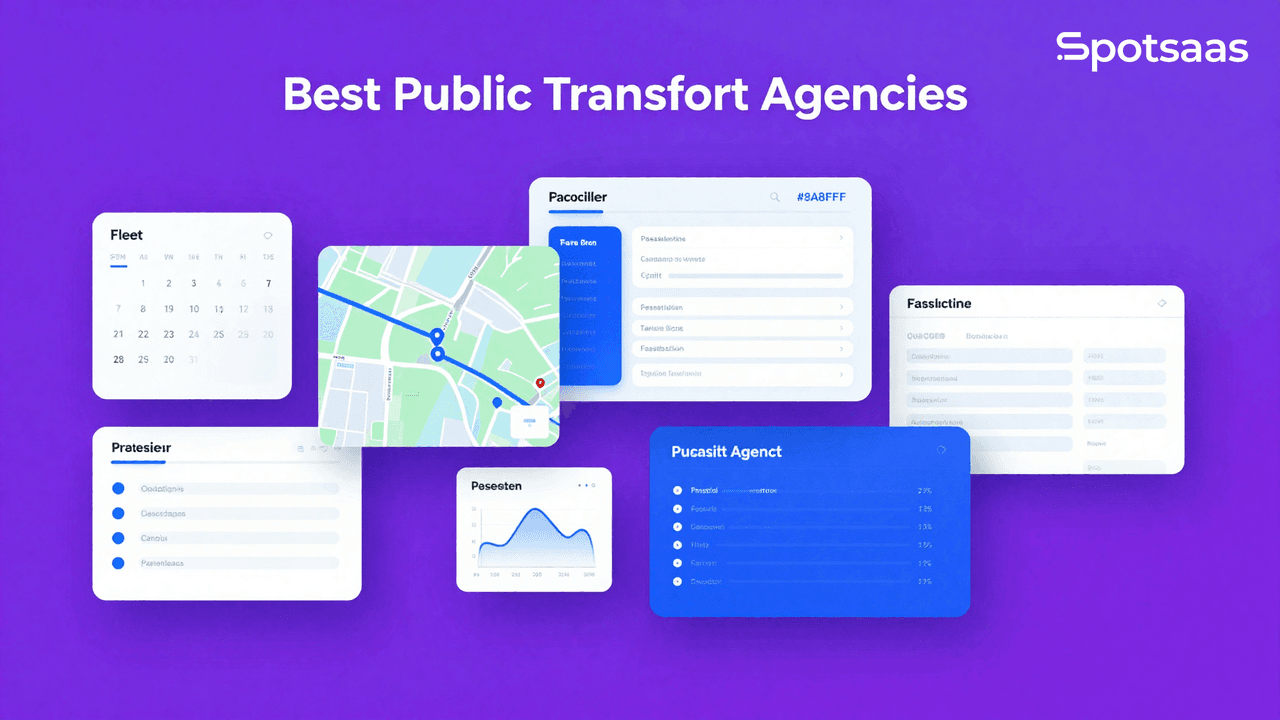
What Is Public Transport Software and How Does It Work?
Public transportation software is a digital solution built to streamline and improve the operation of transit systems, including buses, trains, metros, and ferries. It lets transit agencies efficiently manage schedules, optimize fleet operations, run digital fare collection, and improve the overall passenger experience through real-time updates and tracking. It supports integration with other transportation modes for smoother multimodal connectivity, so a single trip that spans a bus and a train can still be planned and tracked as one journey. The software also delivers analytics that help agencies make data-driven decisions, allocate resources effectively, anticipate future transportation needs, and keep transit services sustainable and reliable.
Why Should Transit Agencies Use Public Transport Software?
Public transport software organizes scheduling and routes, cutting delays while increasing service reliability. Passengers get real-time updates and automatic fare collection, which saves time and makes travel more hassle-free, while also improving operational efficiency for the agency running the network.
Smarter Planning with Routes and Schedules
With public transportation software, precise scheduling and route optimization become possible through real-time data and predictive analytics. This reduces delays, optimizes coverage, and improves overall operational efficiency. Transit agencies can readjust schedules as demand shifts, improving service reliability and passenger satisfaction, whether that shift is a one-time event or a recurring seasonal pattern.
Real-Time Updates Keep Passengers Informed
This software feeds passengers accurate, up-to-date information on vehicle location, timing, delays, and disruptions. Better communication lets passengers plan their travel accordingly and cuts down on surprises along the way. Timely communication goes a long way toward improving the rider experience and building real trust among transit users, especially during unexpected service changes.
Streamlining Payments with Automated Fare Collection
Public transportation software supports contactless and smart fare payment. It reduces boarding time by cutting out cash handling, streamlining payment, and offering faster, more convenient contactless tickets for passengers, which improves transit operations overall and reduces the workload on drivers and station staff.
Enhancing Operations with Smarter Fleet Management
With software-based fleet management, vehicle usage gets monitored in real time, alongside predictive maintenance scheduling and better vehicle utilization. This lets agencies manage their fleets proactively, reducing downtime and creating real cost savings in operations. This approach also supports more service reliability across transit networks and a more efficient allocation of resources, since vehicles can be rotated and serviced before a breakdown ever affects a scheduled route.
Making Smarter Moves with Data-Driven Decisions
The system also tracks passenger usage patterns, peak travel hours, and operational performance as ongoing statistics. This data becomes crucial for transit agencies making strategic decisions about service improvement and anticipating passenger needs, well before those needs turn into visible complaints or overcrowding.
Prioritizing Rider Safety with Real-Time Tools
Passenger safety is a priority, and real-time monitoring, emergency alerts, and integrated video surveillance all help. These tools let transit agencies respond quickly to incidents and help build safer environments that strengthen rider confidence, particularly for people traveling alone or during off-peak hours. More security measures translate into more passengers choosing an enhanced service.
What Are the Key Features of Public Transport Software?
Staying on Track with Real-Time Vehicle Monitoring
GPS-enabled tracking follows the location of transit vehicles such as buses and trains. This continuous flow of information keeps the transit operator aware of deviations and delays, and gives passengers reliable input for journey planning. Operators can use it to adjust schedules on the fly, improving operational responsiveness. Real-time tracking is what holds together a dependable public transit network, and it’s often the single feature riders notice first when a service improves.
Optimizing Routes for Maximum Efficiency
Dynamic analysis based on advanced algorithms weighs factors like traffic conditions, passenger loads, and unexpected events, then adjusts routes accordingly. This results in the shortest possible trip and minimizes delay and congestion. It keeps vehicles running on optimum schedules even as demand increases or disruptions occur, such as a road closure or a sudden surge around a local event. Balancing passenger loads improves the efficiency of each trip, and these route optimizations lower fuel consumption and generate cost savings for transit agencies.
Simplifying Payments with Digital Fare Management
Digital ticketing systems support diverse payment methods, from mobile tickets to contactless options and smartcards. They speed up boarding through fast, secure transaction processing. Automating payment verification and fare collection cuts down on human error. Integrating with fare gates and kiosks simplifies both entry and exit points, and secure data handling keeps revenue tracking accurate while reducing fraud, giving finance teams a clearer picture of daily collections.
Keeping Commuters Informed with Real-Time Info
Systems deliver real-time transit updates through digital displays, mobile apps, and interactive signage, keeping commuters updated throughout their journeys on schedules, delays, and route changes. Timely information lets travelers make better travel choices and reduces uncertainty throughout the trip. This transparency builds trust between the transit operator and its users, and the system is often interactive, with customizable alerts based on user preferences, such as notifying a rider only about the specific routes they use regularly.
Proactive Maintenance for Reliable Transit Vehicles
Fleet maintenance management software automates updates on fuel consumption and service intervals, sends alerts for upcoming inspections and repairs, and generally helps avoid breakdowns. It maintains detailed service records for every vehicle, which supports strategic planning and cost control for the fleet, avoids or minimizes downtime, and extends the lifecycle of transit vehicles. Catching problems early increases both safety and operational reliability, rather than discovering a mechanical issue mid-route.
Smarter Scheduling for Drivers and Transit Staff
Driver and crew management tools monitor availability, shift patterns, and performance indicators for staff. This keeps operator utilization efficient while avoiding staff scheduling conflicts across the whole system. The software also helps make sure drivers get adequate rest and supports compliance with regulated work hours. Recognizing performance trends opens the door to targeted training, whether that’s coaching on fuel-efficient driving or refresher training on safety procedures. Labor cost savings and better service mostly come from a more streamlined management process, and efficient, safe workforce management pays off across operations.
Turning Transit Data into Smarter Decisions
Analytics tools compile data on ridership and revenue, vehicle use, and service reliability to support strategic decisions. Reports lay out longitudinal trends and flag areas where operations should improve. This data-led approach supports better resource allocation and long-term planning, and it lets transit agencies spot operational inefficiencies or possible improvements in service delivery, sometimes months before those gaps would otherwise surface in a budget review. That same visibility also makes reporting for regulatory and performance standards more manageable.
Connecting Transport Modes with Multi-Modal Integration
Multi-modal integration software connects different forms of transport, such as bus, rail, bike share, and rideshare. Synchronizing scheduling and routing makes it easy to transfer between modes of transportation when using several different vehicle types. This coordination lets passengers enjoy a hassle-free travel experience without juggling multiple apps or separate accounts for each transport provider. Integration across services maximizes resource use and eliminates redundant routes, encourages people to use greener alternatives, and overall helps build a more flexible intermodal network.
What Are the Benefits of Using Public Transportation Software?
Delivering Reliable Service with Fewer Delays
Real-time tracking and dynamic scheduling minimize delays and cancellations across transit agencies. With that reliability, the public has more confidence in public transport systems. Quick problem detection keeps unexpected disruption to a minimum, which results in greater consistency. It creates a reliable service, which in turn helps increase ridership and supports smooth daily operations, even during periods of unusually high demand. Enhanced reliability builds a firmer foundation for transit networks overall.
Encouraging More Riders with Seamless Transit Experiences
Digital fare collection and accurate real-time updates give public transport users more convenience, making the public more likely to use it. With better information systems providing smoother transactions, travel uncertainty drops. This dependable transit experience convinces commuters to choose public transport over private alternatives, cutting down on car dependency in the process. Improved service leads to better satisfaction and builds customer loyalty. That increase in ridership usually generates more income for operators, which shows that better technology can drive both user growth and system popularity.
Cutting Costs with Smarter Operations
Route optimization, fleet optimization, and smarter driver scheduling all deliver savings on fuel and labor costs. Automating maintenance and administrative processes reduces the burden of manual oversight. Agencies also gain efficiencies through data-driven insight, cutting duplication and redundancy across departments that used to work from separate spreadsheets. These efficiencies lower operational costs while keeping service quality high, and the savings can be reinvested into further improvements or expansion.
Creating a Smoother, More Enjoyable Ride
More effective travel comes from real-time communication paired with digital tickets. With less travel friction and clearer information, commuters face less stress and more convenience. The integrated system reduces unexpected delays and confusion, and these improvements add up to smoother, safer, more reliable travel, trip after trip. Higher customer satisfaction in turn builds confidence and encourages repeat use of public transit. A strong passenger experience is key to long-term success and increased ridership.
Supporting Greener Cities through Sustainable Transit
Well-planned routes and less idle time lead to fuel savings and reduced emissions. Promoting shared and linked modes of transit can reduce the number of cars clogging roads. That means less energy consumption and fewer emissions from urban transit systems. Sustainable practices improve air quality and reduce congestion, and emission cuts at the city level feed into longer-term environmental benefits that extend well beyond the transit network itself. Greener transit operations line up closely with broader ecosystem and community goals.
Meeting Standards While Keeping Passengers Safe
Automated systems help make sure transit operations follow regulatory standards and safety protocols. Maintenance and driver performance get continuously monitored and recorded to meet industry and government safety requirements. Sensitive data stays protected through secure data management practices, an increasingly important consideration as more rider information moves online. Regular audits and real-time alerts combine to create a safer travel environment for both passengers and staff. This kind of rigorous compliance builds trust with regulatory bodies and the public over time, and safety and regulatory adherence remain central to a transit system’s success.
What Types of Public Transportation Software Are Available?
Centralizing Operations with Transit Management Systems
A transit management system brings all activities, from scheduling to route planning and real-time operations, into one place. It lets transit agencies know where vehicles are and make instant adjustments to service. Operators get what they need to make swift, informed decisions based on current data, without switching between multiple disconnected tools. Integrating various management functions streamlines processes and reduces operational complexity.
Improving Payments with Automated Fare Collection Systems
Automated fare collection systems enable secure processing of digital payments for transit services. They support cashless transaction methods such as mobile tickets, contactless payments, and smart cards. This technology cuts queues and administrative costs by speeding up boarding, and it minimizes errors tied to cash handling. Detailed transaction data helps track incoming revenue and usage patterns across different times of day and different routes. Ultimately, these systems boost operational efficiency and passenger convenience.
Keeping Riders Informed with Real-Time Information Tools
Passenger information software transmits precise real-time updates to commuters through digital signage, mobile apps, and interactive displays. This system alerts passengers about schedule changes, delays, and possible detours as soon as possible. These notifications cut down the uncertainty of waiting and help improve the quality of the travel experience, particularly at stops without staff on hand to answer questions. The tools stay user-friendly for all commuters accessing information, and they build confidence in the transit system by keeping people informed.
Managing Fleet Health with Smart Maintenance Tools
This software schedules routine maintenance automatically while monitoring key performance indicators for transit vehicles. It tracks fuel consumption, service intervals, and repair history to help avoid sudden breakdowns. Automated alerts help make sure maintenance tasks happen on time, reducing downtime. It also simplifies future fleet planning and cost-control decisions, including when to retire an aging vehicle rather than keep repairing it. Proactive maintenance supports safer operations with fewer breakdowns.
Unifying Mobility with Multi-Modal Integration Software
Multi-modal integration platforms bring transport services into a single, well-connected system where schedules stay synchronized between buses, trains, bike sharing, and ride-sharing services. This integration cuts waiting times and makes commuter planning simpler. It makes public transportation more effective for all travelers by improving efficiency and connectivity, supporting more flexible urban mobility overall for commuters who mix and match how they get around.
What Should You Look for When Choosing Public Transportation Software?
The best software supports route planning, fleet management, real-time tracking, and stronger passenger interaction, all working together rather than as separate add-ons.
A comprehensive platform keeps service delivery efficient, helps reduce operational costs, and strengthens compliance with industry regulations. With the right solution, agencies can improve sustainability efforts and streamline transportation management.
What Goals Should You Define Before Choosing Software?
Clearly defining your public transportation system’s goals helps you select the right software.
Whether the aim is to improve system efficiency, provide real-time service updates, boost customer satisfaction, or cut operational costs, understanding these objectives guides your software choice. Focus on the metrics that matter most to your transit network to keep operational goals aligned.
Optimize Route Planning and Scheduling
Effective route optimization weighs passenger demand, traffic patterns, and transit time to reduce delays and improve service delivery. This feature matters for maximizing fleet use and improving efficiency.
Enhance Passenger Communication
The software should offer solid tools for giving passengers real-time updates, schedule changes, and important notifications. These tools help create a transparent experience, improving customer loyalty and satisfaction.
Automate Ticketing and Payment Systems
Fare collection should run through digital solutions, giving passengers the convenience of mobile apps, smart cards, or contactless payments. This reduces cash handling, improves operational efficiency, and keeps transit running smoothly.
Improve Fleet Management
Strong fleet management capabilities keep each vehicle operating at optimal capacity by providing real-time tracking, monitoring maintenance schedules, and assessing vehicle performance for efficiency.
How Do You Choose the Right Software Model?
Different public transportation systems require different software models. The best decision depends on your operational scale, network complexity, and long-term objectives. Choosing the right model helps meet your transit system’s unique needs.
Fleet Management Systems
This type of software focuses on managing vehicle assets, keeping fleet operation optimal by tracking vehicles, scheduling maintenance, and monitoring performance. It’s essential for large-scale transit organizations running a diverse fleet.
Real-Time Tracking and Communication Software
Real-time tracking software lets transit operators monitor vehicles and provide accurate data to passengers. This increases the operational efficiency of routes while keeping service timely and improving the overall passenger experience.
Multi-Modal Transportation Software
These platforms integrate different transportation modes, such as buses, trains, or ride-sharing services, into a unified system. This model works well for urban transit systems that need coordination across various transportation options.
Mobile Apps and Passenger Engagement Platforms
Passenger engagement platforms give easy access to real-time information, ticket purchases, and journey tracking through mobile applications. These systems meaningfully improve user experience and customer engagement.
Why Is Data Integration Critical for Transit Software?
Public transportation software has to manage and integrate various data types, from real-time vehicle tracking to ridership information. Efficient data management and integration across systems, including fleet management, ticketing, and payment systems, are crucial for optimizing operations.
GPS and Real-Time Vehicle Data
Real-time vehicle tracking powered by GPS makes sure data on vehicle locations, delays, and traffic conditions is available instantly. This helps optimize routes and improve overall operational efficiency.
Payment and Ticketing System Integration
Integrating payment and ticketing systems into the software allows easy fare collection through digital means, giving passengers a smooth, contactless experience. This integration reduces manual intervention and increases operational accuracy.
Analytics and Reporting Integration
Advanced analytics tools give insight into ridership trends, vehicle performance, and financial health. Transportation agencies can make more informed decisions that improve system efficiency by integrating reporting tools.
Customer Feedback and Engagement Tools
Gathering feedback from passengers matters for assessing service quality and identifying areas for improvement. The software should support tools for collecting and analyzing customer satisfaction data to help improve service offerings.
What Features and Insights Should You Prioritize?
Core Features
Route Optimization and Scheduling
Advanced route optimization algorithms weigh multiple factors, such as traffic, passenger volume, and weather conditions, to create efficient routes. Scheduling features help keep services punctual and meet demand.
Real-Time Passenger Information Systems (PIS)
Providing passengers with up-to-date information through digital signage, apps, or SMS notifications is critical. These systems inform passengers about vehicle locations, expected arrival times, and potential delays.
Automated Fare Collection and Payment Systems
The software should support digital fare systems and give passengers a variety of payment options, including mobile apps, contactless cards, or online platforms. This makes transactions smoother and reduces operational costs.
Fleet Tracking and Maintenance
The software should let operators track vehicle status, fuel usage, and maintenance schedules, enabling better fleet management. Predictive maintenance tools help anticipate potential issues before they occur, reducing downtime.
Advanced Features
Predictive Analytics and Demand Forecasting
Predictive analytics helps transit agencies forecast passenger demand based on historical data. This insight optimizes resource allocation, improving service during peak times and special events.
Sustainability and Emission Tracking
Some systems include tools to track fuel consumption and emissions in support of environmental goals, helping transit agencies reduce their ecological footprint and comply with sustainability regulations.
Multi-Platform Support (Mobile, Web, Kiosks)
Public transportation software should offer compatibility across multiple platforms, including mobile apps, websites, and self-service kiosks. Multi-platform access makes it easier for passengers to engage with the service, increasing satisfaction and convenience.
Automated Customer Support and Chatbots
AI-driven customer support tools, such as chatbots, can answer common passenger questions about routes, schedules, and ticketing. These systems reduce the need for manual intervention and improve passenger service.
How Can Reporting Improve Transit Operations?
Granular Reporting
Ridership and Revenue Reports
Reports on ridership and revenue help agencies track passenger volume and financial performance. These insights matter for forecasting demand, improving route planning, and managing budgets.
Service Performance Reports
Monitoring service performance, including vehicle reliability and on-time performance, helps transit operators identify bottlenecks, inefficiencies, and areas for improvement.
Visualization Tools
Custom Dashboards
Custom dashboards provide real-time data on key performance metrics, such as ridership, vehicle availability, and customer satisfaction. These tools help managers make informed, data-driven decisions quickly.
Exportable Reports
Exporting reports in various formats, such as PDF, CSV, or Excel, lets agencies share insights with stakeholders and make data available for analysis and decision-making.
What Should You Consider About Pricing Models?
Pricing for public transportation software varies depending on the software’s features, the scale of operations, and the number of users. When selecting a solution, weigh your current and future needs to choose a cost-effective option.
Subscription-Based Pricing
Subscription-based models are common for public transportation software. In these models, agencies pay a recurring fee based on the number of vehicles or services in use. This pricing model works well for scaling operations.
Pay-Per-Use Pricing
Pay-per-use pricing models charge based on the volume of services used, such as the number of passengers or tickets issued. This model is flexible and suits agencies with fluctuating ridership.
Custom Pricing Plans
Custom pricing plans suit large-scale or enterprise-level transit systems that need advanced features, integrations, and dedicated support.
How Should You Plan for Scalability?
As your public transportation network grows, the software must be able to scale with it. Scalability makes sure the software can handle increasing passenger numbers, expanding routes, and growing fleet sizes without compromising performance.
High-Volume Data Handling
The software should handle large volumes of real-time data, such as vehicle locations, fare transactions, and passenger metrics, keeping performance smooth even as the system grows.
Multi-Location and Multi-Vehicle Support
The software should provide centralized control for agencies operating across multiple locations or managing large fleets, while supporting real-time monitoring of all vehicles and operations.
Customizable Features for Growth
Look for software that adapts easily to growth, whether that means adding more routes, expanding the fleet, or incorporating new technologies.
What Support and Training Resources Should You Expect?
Choosing software with strong customer support and thorough training is crucial for smooth implementation and ongoing success. Reliable support and user-friendly training resources help maximize the software’s value.
24/7 Technical Assistance
Access to round-the-clock technical support makes sure issues get resolved quickly, minimizing downtime and keeping transit operations running.
Onboarding and Tutorials
Onboarding resources, video tutorials, and user guides are essential for helping your team quickly understand how to use the software. These materials make sure operators and passengers get the full benefit of the software’s capabilities.
How Does Each Public Transportation Software Solution Compare?
The comparison table below outlines the most important public transport software, detailing the functions, key performance indicators, and software price. This includes real-time tracking, dynamic scheduling, digital fare processing, and passenger communication. The table also lays out differences in operational efficiency, system integrations, and compliance benefits, so transit agencies can pick the best solution for their particular network.
| Software | Pricing | Key Features | Best For | Customers |
|---|---|---|---|---|
| Optibus | Custom Pricing | AI-based route optimization, scheduling, fleet management | Bus and metro services | Municipalities, transit agencies |
| Trapeze Group | Custom Pricing | Fleet scheduling, fare collection, asset management | Large-scale transit providers | Transit authorities, bus operators |
| Masabi | Custom Pricing | Mobile ticketing, contactless fare collection, revenue management | Digital ticketing solutions | Transit networks, rail operators |
| Swiftly | Custom Pricing | Real-time vehicle tracking, passenger communication | Passenger information systems | City transit agencies, commuters |
| Moovit | Free to Enterprise | Real-time travel updates, multimodal journey planning | Integrated passenger services | Cities, public transport users |
| Samsara | Custom Pricing | Fleet maintenance tracking, vehicle telematics, driver safety | Vehicle and asset management | Public fleets, logistics companies |
| Citymapper | Custom Pricing | Multimodal route planning, mobile passenger engagement | Urban transit integration | Commuters, smart city initiatives |
| Transit App | Free to Enterprise | Real-time transit updates, integrated multimodal journeys | Passenger-focused integration | Cities, public transit riders |
Final Verdict on Choosing Public Transportation Software
Public transportation software delivers the improvements transit services need to run operations better, enhance the customer experience, and cut costs. Options exist for different agency needs, whether that’s fleet management, fare collection, real-time passenger information, or multi-modal integrated solutions. The best software drives increased reliability, greater ridership, better sustainability, and stronger public transport services overall, for agencies of nearly any size.
Ongoing performance improvements come from ongoing adjustment, paired with more sophisticated analytical features. These solutions will stay crucial for adapting to future challenges as public transport systems keep evolving, and they can help drive real, lasting innovation in urban mobility.

- Independent picks for exactly what you just read about
- Matched to your team size & needs
- Vendors don't pay for placement
Step 1 of 4
How big is your team?
We tailor recommendations to companies your size.















Related Articles
Best Tools
SaveFrom.Net Review (2026): Is It Safe, Legal & Worth Using?
Continue reading →
Buyers guide
How to Choose Healthcare Software: A Complete Buyer’s Guide (2026)
Continue reading →

Buyers guide
How to Automate HR Processes: A Practical Guide for 2026
Continue reading →

Applicant Tracking Software
How to Set Up an ATS: Step-by-Step Implementation Guide (2026)
Continue reading →