
Juggling several projects at once tends to strain even the most organized teams. Project prioritization is what keeps that pressure from turning into chaos, and it’s one of the core skills behind successful project management.
Below are practical tips and techniques for focusing on the tasks that matter most and working through your workload without losing track of what actually deserves your team’s attention first.
Key Takeaways
- Project prioritization is a core part of successful project management, helping teams put their attention where it has the most impact.
- Prioritizing projects improves work quality, cuts down on finishing projects that are no longer relevant, and keeps team members more motivated.
- To prioritize effectively, use a prioritization matrix, route project requests through a project management tool, group similar projects into a single sprint, turn down work outside the company’s focus, and delegate to the right people.
What is Project Prioritization?

Project prioritization is a core piece of project management: deciding which projects are the most urgent and important, and tackling those first. Done well, it lines up the company’s strategy with the projects it’s actually running.
Some tasks need action immediately because they’re critical. Others carry real upside but can wait their turn. A good manager can tell the difference, rank the work accordingly, and see it through properly.
Speed isn’t the only point, though. Project prioritization also has to keep the team genuinely engaged and well led. That means using clear, consistent criteria to decide what matters most for the business, rather than letting emotion or office politics drive the call.
Why is Project Prioritization Important?

Project prioritization plays a central role in whether a business succeeds. It helps teams stay focused on the tasks that matter most, and forces businesses to weigh value, cost, and risk before greenlighting a project.
That balancing act points effort where it does the most good, which cuts down on time wasted on low-impact work. Skipping the less important tasks also lifts team morale, since nobody enjoys grinding through work that barely moves the needle.
Prioritization also gives teams clear, shared goals to work toward. Everyone knows what needs to happen first and why it matters for the company’s growth, and project managers get a straightforward reference point for tough calls: follow the priority list rather than guessing.
Finally, prioritizing projects keeps every project aligned with business strategy, so it’s easy to spot whether a task actually fits the company’s longer-term plans.
5 Actionable Tips for Prioritizing Projects
Five things worth doing: use a prioritization matrix, route project requests through a project management tool, group similar projects into a single sprint, turn down work outside the company’s focus, and delegate to the right people.
Each of these tips is covered in more depth below, with the reasoning behind why it helps and how to put it into practice on your own projects.
Use a prioritization matrix
A prioritization matrix makes project decisions easier by sorting tasks along two lines: what’s urgent and what’s important. It’s a simple tool that puts all your work out on the table at once, instead of leaving it scattered across notes and inboxes, so you can see at a glance what needs attention now and what can reasonably sit for later.
It works through a simple grid. The top-left box holds tasks that are both high-impact and urgent; the bottom-right box holds the ones that are low-impact and not urgent.
It’s a tool worth building into your routine.
Filter project requests into a project management tool
Routing project requests through a project management tool is a key step in prioritizing effectively. It keeps every request on record in one system rather than scattered across emails and chat threads, so nothing slips through the cracks or gets forgotten.
With all project information centralized in one place, comparing requests against each other gets easier, whether you’re weighing urgency, business value, or available resources.
A shared tool also supports better collaboration among team members, since everyone can see real-time updates on status and progress. That combination of visibility and centralization is what makes prioritization stick.
Group similar projects into one sprint
Bundling related projects into a single sprint is a straightforward way to streamline work and raise productivity, since teams can put their resources toward several related efforts at once instead of switching context repeatedly between unrelated tasks.
It also encourages collaboration and knowledge sharing across the team, and makes it easier to spot dependencies or conflicts between projects early enough to resolve them.
The payoff is that teams can deliver solid results in a shorter timeframe, which tends to translate into happier customers and a stronger track record on delivery.
Say no to projects outside of company focus
Prioritizing well also means turning down work that falls outside the company’s focus, taking on only the projects that align with the organization’s goals and objectives rather than whatever request happens to land first.
That discipline keeps resources pointed at the initiatives that will actually move the needle for the company. It also protects the team from getting stretched too thin, so people can put their full effort into work that genuinely matters.
Staying inside the company’s focus consistently produces better outcomes and supports long-term success for the organization.
Delegate work to the right people
Effective prioritization also depends on delegating to the right people, matching tasks and responsibilities to whoever on the team actually has the skills and expertise needed for that specific project.
Getting that match right means the work gets done efficiently and at a genuinely high standard. It saves time on rework and lets team members focus on what they’re actually good at, which tends to produce noticeably better outcomes overall.
Good delegation makes the most of available resources and puts projects in the hands of the people best qualified for them. It also strengthens collaboration, since everyone has a clear role and responsibility that feeds into the project’s success.
Importance of Prioritizing Projects

Prioritizing projects matters for four main reasons: it improves work quality, helps with time management, cuts down on finishing obsolete projects, and increases motivation across the team. Here’s the essential rundown on how to prioritize projects successfully.
Here’s how each of those four benefits actually plays out in practice, and why they matter for the team as a whole.
Improves work quality
Prioritization has a direct effect on the quality of an organization’s work. When teams focus on the most important and urgent projects instead of spreading themselves across everything at once, they can put their time and resources where they’ll do the most good.
That focus lets each project get the attention it deserves, which supports higher-quality results. Prioritizing by business value also keeps a team’s efforts lined up with the organization’s goals and objectives.
It cuts out work that doesn’t add much, so every project contributes meaningfully to the company’s overall success. It also keeps organizations from spreading resources too thin, which lowers the risk of burnout on the team.
Helps with time management
Prioritization is also a time management tool. Once projects are ranked, you can put your time and energy into the most important tasks first, and identifying urgent, high-value work makes it easier to allocate hours so critical work finishes on schedule.
That discipline improves productivity and lowers the odds of delays or missed deadlines. With prioritization in place, it’s easier to manage a schedule, stay organized, and make sure time actually goes toward the projects that matter most for the organization.
Reduces completion of obsolete projects
Prioritizing also cuts down on finishing projects that have quietly become obsolete along the way. Focusing on what’s urgent and important means resources get allocated more efficiently and effectively, instead of drifting toward whatever’s already in motion.
Less time and effort ends up wasted on projects that no longer fit business objectives or have simply become irrelevant. With a clear prioritization strategy, teams stay focused on the work that brings real value and avoid burning resources on projects that have outlived their usefulness.
Increases motivation
Prioritizing projects can genuinely lift motivation across a team. When projects are ranked well, the team can see the value and importance of what they’re working on, and that sense of purpose keeps them engaged and willing to put in real effort.
Focusing on high-impact projects also makes the results of a team’s work more visible, which reinforces that motivation further. Prioritizing strategically, in other words, tends to build a workforce that’s driven, delivers, and feels valued in the process.
How to Prioritize Projects in 6 Steps
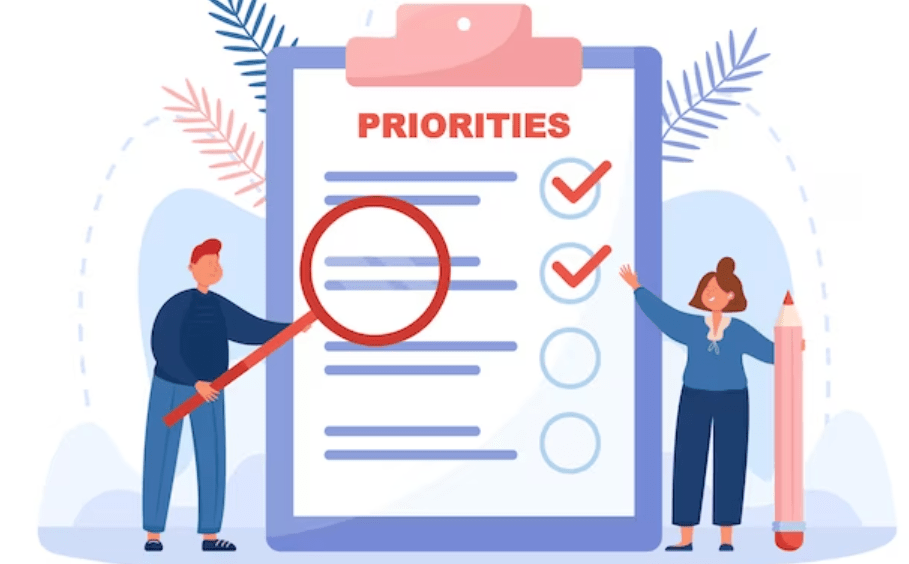
Six steps for prioritizing projects effectively: assess projects for business value, filter for urgency, map out project dependencies, estimate scope, timeline, and costs, weigh budget against project costs, and evaluate the team’s bandwidth against what each project demands.
Assess projects for business value
Assessing business value is a foundational step in prioritizing projects. It means working out, project by project, the potential impact and benefit each one could bring to the organization before committing resources to it.
Weighing projects against business objectives and strategic goals helps companies make sure their resources go toward initiatives that will actually deliver value.
That assessment also flags which projects are worth pursuing at all, saving time and effort on the ones unlikely to deliver a meaningful return. Looking at factors like revenue potential, cost savings, customer satisfaction, and market opportunity helps businesses prioritize the projects that will actually contribute to their success.
Getting comfortable with assessing business value lets organizations focus on high-impact initiatives and sharpens their decision-making overall. With resources always limited, it becomes essential to pick projects carefully, based on their likely return and their contribution to strategic goals.
Filter projects for urgency
Filtering for urgency is another critical step in the process. Assessing how urgent each project is helps determine which ones need immediate attention right now and which ones can reasonably wait a while longer.
That step makes sure important projects get addressed promptly and keeps valuable resources from being spent on less urgent tasks, letting you concentrate effort on the projects that will have the biggest impact on the organization’s success.
Keep deadlines, customer demands, and strategic goals in mind when judging how urgent a given project really is.
Map out project dependencies
Mapping dependencies matters too: identifying which tasks or activities rely on each other, and taking the time to understand how those pieces connect before work actually starts.
That mapping helps determine the right order to tackle projects in and how to allocate resources accordingly. It also helps avoid bottlenecks and delays, since necessary prerequisites get completed before work moves on to the next task or project.
It supports better risk management too, since dependency issues are easier to spot ahead of time. Altogether, mapping out project dependencies is a crucial step in prioritizing projects and getting them executed successfully.
Estimate scope, timeline, and costs
Effective prioritization also calls for estimating a project’s scope, timeline, and costs: understanding how big and complex it actually is, how long it will realistically take to complete, and what financial resources it will require along the way.
With that in hand, you can judge whether a project is realistic given your available resources and make an informed call on its priority. These estimates also help set honest expectations with stakeholders and keep projects aligned with the organization’s goals.
Assess budget against project costs
Weighing budget against project costs is another crucial step in prioritizing projects. It shows, in concrete terms, whether the resources and funds on hand are actually enough to cover what each project will cost to complete.
Comparing budget to estimated costs lets organizations make informed, defensible calls on which projects to prioritize based on financial feasibility, so tightly budgeted projects don’t automatically get priority over ones that need more funding just because they happen to look cheaper on paper.
This comparison also helps prevent overspending and supports better allocation of resources, which ultimately contributes to successful project execution.
Factoring the budget into prioritization decisions matters for financial stability too. It keeps organizations from taking on projects that exceed what they can actually afford, or running out of funds before completing every essential initiative.
Lining up budget constraints with project priorities lets companies allocate resources wisely and keep enough funding available for other critical work.
Evaluate team’s bandwidth against project demands
Successful execution also depends on weighing your team’s bandwidth against what a project actually demands, which means considering each team member’s skills, capabilities, and availability before handing out assignments.
Assessing their capacity to take on more work shows whether they actually have the time and resources to deliver. This step keeps teams from getting overloaded and lets them handle their responsibilities without sacrificing quality or risking burnout.
Prioritizing projects with your team’s bandwidth in mind leads to better resource allocation and improves the odds of project success.
Conclusion
Prioritizing projects is essential to any organization’s long-term success. Techniques like a prioritization matrix, project management tools, and delegating work to the right people let teams manage their workload effectively and get the most important tasks done on time.
Prioritization also raises work quality, cuts down on finishing obsolete projects, and boosts motivation across the team. Put these tips into practice consistently, and effective project prioritization becomes a real, repeatable lever for hitting organizational goals and getting more done with the same resources.
Frequently Asked Questions
How do I prioritize projects for success?
To prioritize projects for success, identify the most important and urgent tasks, consider deadlines and resources, and create a clear plan with achievable goals.
What factors should I consider when prioritizing projects?
When prioritizing projects, consider factors such as deadlines, impact on business objectives, available resources, potential risks or difficulties, and alignment with strategic goals.
Is it okay to say no to new project requests?
Yes, it is okay to say no to new project requests if taking on additional work would negatively impact your ability to complete existing projects on time or compromise their quality.
How can I stay organized while managing multiple projects?
To stay organized while managing multiple projects, use tools like calendars or project management software to track deadlines and milestones. Break down tasks into smaller actionable steps and regularly review progress.
What should I do if unexpected issues arise during a project?
If unexpected issues arise during a project that could affect its priority or timeline, communicate promptly with stakeholders and analyze the situation before making decisions about reprioritization or seeking additional support/resources.

- Independent picks for exactly what you just read about
- Matched to your team size & needs
- Vendors don't pay for placement
Step 1 of 4
How big is your team?
We tailor recommendations to companies your size.















Related Articles

Project Management
Best Project Management Software for Small Business in 2026: 8 Tools Compared
Continue reading →

Project Management
ClickUp vs Asana (2026): Which PM Tool Is Right for Your Team?
Continue reading →

Project Management
11 Best Asana Alternatives in 2026 (Cheaper, Simpler, or More Powerful)
Continue reading →

Project Management
How to Use Doodle Polls for Fast, Group Scheduling 2026 Guide
Continue reading →