
Plaid connects financial applications to bank accounts, acting as a bridge that lets those apps read and use banking data. Founded in 2013 by William Hockey, it quickly became a core service for fintech companies like Venmo and Betterment, which rely on its features such as real-time balance checks and smart transaction categorization.
Plaid offers three pricing plans: TEST, which is free to explore; LAUNCH, a pay-as-you-go option for growing needs; and SCALE, a custom plan for those operating at larger volume.
Beyond numbers and transactions, Plaid serves a range of financial sectors, from personal budgeting to enterprise-level business management, and it backs all of this with strong encryption to protect sensitive data.
The service is practical, and that practicality does not go unnoticed. Businesses often see meaningful, near-immediate increases in conversions soon after adding Plaid’s technology to their own systems.
The pricing details reveal more options for teams that plan carefully. One-time fees for certain products sit alongside subscription plans or per-request billing that is aligned with the specific services used, and this mix reflects Plaid’s flexible approach to modern financial needs and challenges.
Partner companies have reported substantial savings thanks to the platform’s efficiency gains, and those gains show up across a range of different regional markets rather than in just one place.
As you read on about Plaid’s details and its clear advantages over the competition further along in this article, keep in mind that it could be your route to changing how you run and modernize digital finance operations.
Here is what Plaid can do for you.
Key Takeaways
- Plaid connects banking data to software apps, with flexible pricing plans for different business stages, including free development in the Test Plan and custom prices in the Scale Plan.
- The platform’s features include secure account authentication, real-time balance checks, and transaction categorization to improve both the user and developer experience.
- Plaid uses security measures like encryption to protect data, and it provides scalable financial solutions without extra fees.
- Venmo is one company that benefits from Plaid; it has seen a 60% increase in instant buyer conversions and cost savings on integrations.
- Looking at alternatives such as Yodlee or Flinks can help you decide which financial integration platform best suits your specific fintech needs.
Plaid’s Pricing Structure: What to Expect
Plaid offers pricing plans for different stages of business growth, from testing to scaling. Costs can also vary by region, so it is worth understanding the options available for your specific needs.
Understanding the Test, Launch, and Scale Plans
Plaid accounts for the different stages of business growth and offers matching financial data integration plans. Whether you are experimenting with their APIs or scaling a full application, there is an option to fit your stage.
- The Test Plan gives developers a free development environment to explore Plaid’s capabilities at no cost. This sandbox is built for API testing and hands-on learning.
- Launch Plans suit those ready to move beyond the testing phase. These pay-per-use plans give you flexibility as you start integrating Plaid’s services into live environments.
- Scale Plans support businesses with significant user growth or higher transaction volumes. Custom pricing applies here, with volume discounts and dedicated support for larger operations.
- All users can upgrade at any point, so growing companies can adapt their financial data integration strategy without interruption.
- Scalability sits at the core of Plaid’s plans; each one accounts for changing business needs and provides a clear upgrade path from Test to Launch to Scale.
- Pricing flexibility matters for tech startups and established enterprises alike. With Plaid, organizations get financial data solutions that adjust to their pace and scale of development.
Regional Pricing Variations
Prices for Plaid’s services do not always stay the same from one place to another. What you pay may change based on where your company operates. If two businesses use Plaid but sit in different parts of the world, their bills could look very different even when they use the same amount of services.
Local pricing differences are worth knowing because they can affect your budget. If you plan ahead and understand these cost variations, they will not catch you off guard and can keep your financial plans on track.
Always check the specific prices for your own area before making any decision, since taking this step helps you avoid unexpected expenses and surprises further down the road.
Key Features of Plaid: Enhancing User and Developer Experience
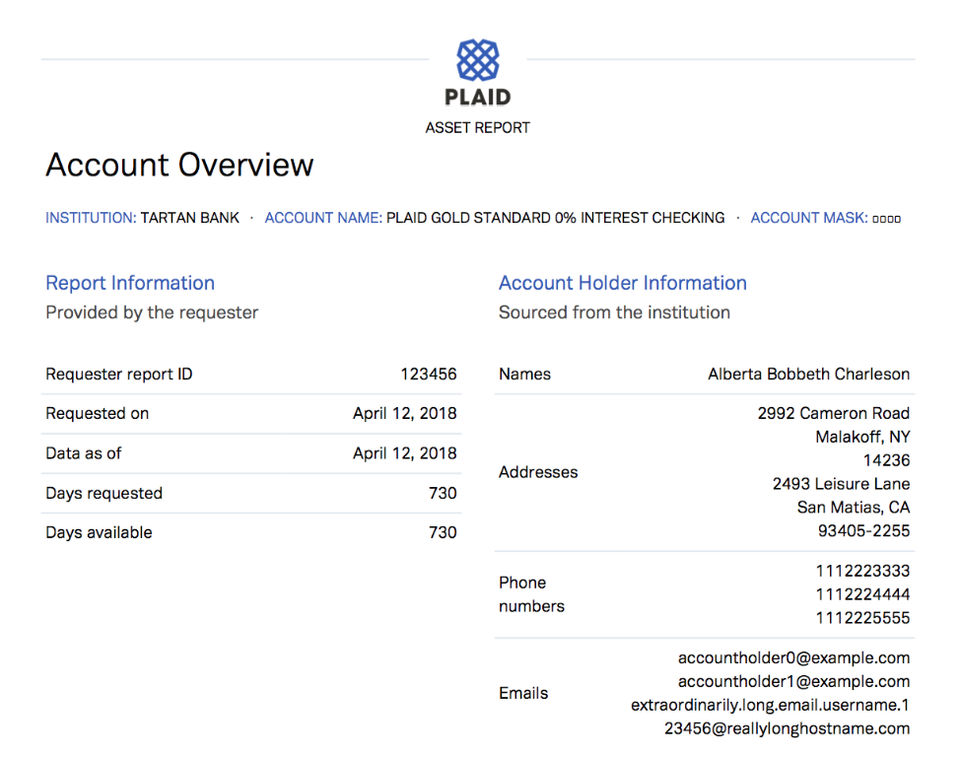
Plaid offers account authentication and real-time balance checks that improve the user and developer experience. These features provide secure access to financial data and connect with a range of banking systems.
Account Authentication and Real-Time Balance Checks
Plaid changes the way we think about accessing financial data. It puts strong security and immediate insight into account balances within easy reach for both users and developers.
- Account Verification: Plaid’s platform authenticates bank accounts in seconds and keeps user information protected. Developers can add this feature to apps, giving customers confidence during the login process.
- Real-Time Financial Data Access: Users get instant balance checks, which help them keep a clear picture of their financial health. This supports personal financial management by helping people avoid overdraft fees and plan for upcoming expenses.
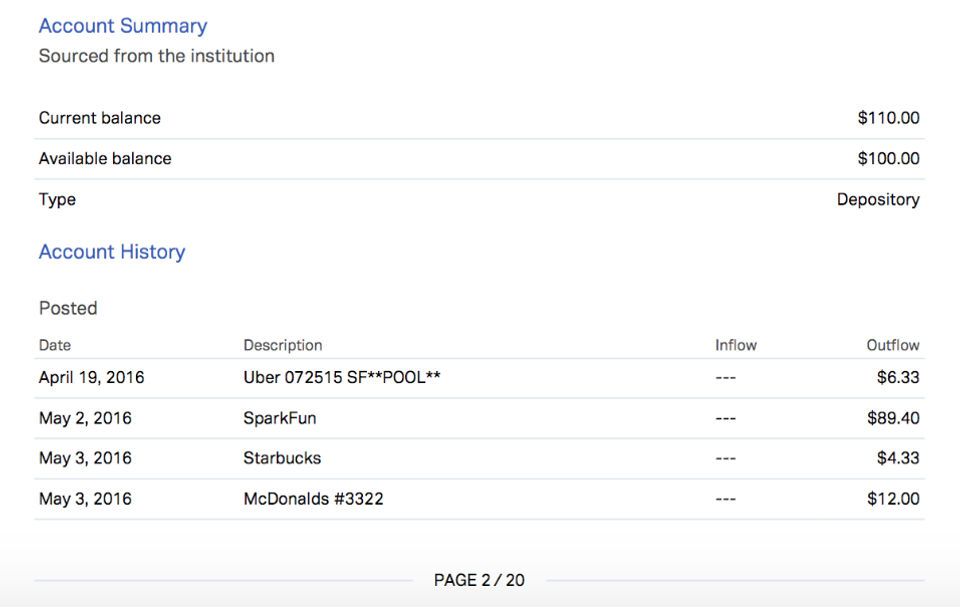
- Transaction Categorization: With up to 24 months of categorized transactions, Plaid makes it easier for consumers to track spending patterns and for businesses to analyze financial trends without delay.
- Faster Loan Processes: Quick account authentication and balance checks speed up loan applications. Lenders can assess an applicant’s financial status in real time and make decisions faster.
- Investment Management: Investors benefit from quick access to their financial data when managing portfolios. Fast information retrieval helps them make timely investment decisions.
- Open Banking: Plaid provides tools that support open banking, a movement that promotes transparency and gives users more control over their financial data.
- Consumer Transactions: Companies like Venmo use Plaid to handle consumer money transfers securely and efficiently, a practical example of real-time data integration in everyday transactions.
- Business Analysis: With immediate access to categorized transaction history, businesses gain useful insights for financial analysis and can make strategic decisions based on current data.
Exploring Alternatives: A Look at Competing Financial Integration Platforms
Look at other financial integration platforms like Yodlee, Flinks, and Finicity to compare features, pricing, and security measures. This helps you find the platform that best suits your fintech needs and keeps you competitive.
Read on to weigh your choices and make an informed decision for your own business.
Financial Data Transfer Versus Payment Processing
Financial integration platforms are the backbone of secure financial data transfer, with strong support for payment processing and fraud prevention. These platforms let businesses manage financial transactions securely while meeting strict compliance regulations.
Financial data transfer focuses on the secure exchange of sensitive information between different systems, while payment processing handles electronic payments through various channels.
When you compare financial data transfer to payment processing, it helps to weigh how well an integration platform can manage both aspects at once and how efficiently it handles each one.
With these platforms, businesses can secure cost-effective buyer conversions through safe transaction management and API testing, and build development environments that support innovation and growth in a competitive market.
Security Measures: How Plaid Keeps Your Financial Data Safe
Plaid prioritizes data security and uses strong encryption protocols to safeguard users’ login information and protect their privacy. The platform also offers a free development environment where developers can experiment, test, and learn about the API, so they have the tools to build secure applications.
Plaid does not charge consumers for using its services, which makes it more accessible and affordable for individuals seeking reliable financial integration solutions.
The company also provides several pricing models, including one-time fee products, subscription fee products, and a per-request fee structure, to cover different needs within the developer community.
Plaid’s security measures extend to its custom plans: TEST, LAUNCH, and SCALE, which are available at different price points based on location and individual requirements.
This gives businesses of varying sizes in different countries access to secure financial data integration solutions tailored to their needs, without compromising on essential security features.
By offering these options with advanced encryption as part of their standard service, without extra costs or hidden fees, Plaid assures customers that their sensitive financial data stays safe throughout every transaction.
Use Cases: How Companies Like Venmo Use Plaid
Venmo uses Plaid for integration and cost savings. With Plaid, companies can achieve a 60% increase in on-the-spot buyer conversions for non-financing customers, which makes it an attractive option for businesses that want to boost sales.
Partnering with Plaid has also helped companies save hundreds of thousands of dollars and effort in maintaining integrations, a cost-effective way to handle financial data integration.
With Plaid’s capabilities, companies like Venmo can simplify their day-to-day operations and improve the user experience while still achieving significant cost savings across their integrations.
Conclusion: Is Plaid the Right Choice for Your Fintech Needs?
When you evaluate Plaid for your fintech needs, consider its range of financial data management products and its global coverage. Leading companies such as Betterment and Acorns have integrated Plaid smoothly and cut costs as a result.
Plaid offers flexible pricing plans to suit different needs, including a free tier for testing and pay-as-you-go options with no monthly minimums. Customer case studies show strong increases in buyer conversions after implementing Plaid.
On top of that, the company’s partnerships with major banks add further credibility for teams that need a trusted financial data provider.
(Image credit: Plaid)
Frequently Asked Questions
1. What is Plaid and what does it do?
Plaid is a financial technology company that provides connections between apps and users’ bank accounts to access banking data, perform transactions, and verify account balances.
2. How much does Plaid cost to use?
The pricing for using Plaid varies depending on the services required and the scale of usage. It’s best to inquire directly with Plaid for specific pricing details.
3. What features does Plaid offer?
Plaid offers features such as account authentication, transaction categorization, balance verification, identity verification, income verification, and more to support financial experiences in apps.
4. Are there any alternatives to using Plaid?
Yes, there are alternative financial technology companies that offer similar services such as Yodlee, MX Technologies, Quovo (a Plaid company), Finicity (an Experian company), and more.
5. Can I integrate Plaid into my app or website easily?
Yes, integrating with the Plaid API is designed to be straightforward and well-documented for developers through their developer resources and support documentation.

- Independent picks for exactly what you just read about
- Matched to your team size & needs
- Vendors don't pay for placement
Step 1 of 4
How big is your team?
We tailor recommendations to companies your size.















Related Articles

Finance & Billing Software
Best Payroll Software for Contractors and Freelancers in 2026
Continue reading →
Buyers guide
How To Choose The Best Cryptocurrency Exchanges For 2026
Continue reading →
401K Providers
Top 5 Best 401k Providers for Small Businesses in 2026
Continue reading →
Accounting Software
How To Choose The Best Procure-to-Pay Software For 2026
Continue reading →