
Office expenses and office supplies are easy to mix up, yet the distinction carries real tax implications for a business. Many companies struggle to tell these two cost elements apart, and that confusion can affect how much they owe at tax time.
This article explains both terms and offers practical tips for managing your business’s operational costs, so you spend less time, money, and effort sorting out your office finances.
Key Takeaways
- Office expenses include non-tangible costs like web services and software subscriptions.
- Office supplies refer to tangible items such as pens, paper, and printer ink.
- Deducting office supplies from profit on tax forms can lower your tax liability.
- Managing office expenses and supplies well is crucial for keeping the business’s finances in good, healthy shape.
Difference Between Office Expenses and Supplies
Office Expenses are non-tangible costs tied to running a business, such as web services, software, and domain names. Office Supplies are tangible items you replenish regularly for business use, like pens and paper.
Office Expenses
Office expenses cover the non-tangible costs a business needs to operate. Web services, software subscriptions, and domain names all fall into this group. They may not be physical items, but they support the digital setup a company relies on to keep working.

Web services give staff and clients reliable access and keep data stored securely. Software handles complex tasks automatically, which saves time and raises the quality of the output. Both are costs that do not sit on a shelf, yet the business could not function without them.
A relevant domain name works like online real estate: it strengthens your brand identity and makes it easier for clients to find and navigate to you. None of these items are physical, but together they keep the business running.
Office Supplies
Office supplies are the physical items a business needs to restock regularly for daily operations. They include essentials like pens, paper, ink cartridges, and other materials used around the office every day.
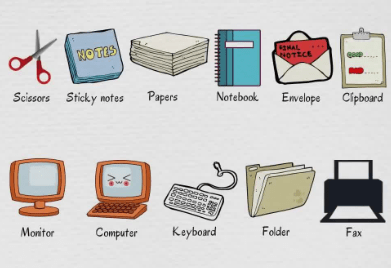
Keeping enough of these supplies on hand matters for day-to-day productivity and smooth functioning. A simple, organized system for tracking supply needs and reordering in time helps a business avoid work stoppages and last-minute purchases that cost more than they should.
Tax Implications of Office Expenses and Supplies
Deduct office supplies from profit on your tax forms, and weigh how these costs affect overall business expenses.
Deducting office supplies from profit on tax forms
On your tax forms, you can deduct office supplies from your business’s profit. The cost of pens, paper, printer ink, and other tangible items used in daily operations can be subtracted from your income.
Those deductions lower the amount of taxable income you report and can reduce your tax liability as a result. Keep records of every office supply purchase through the year so your figures are accurate when you fill out your tax forms.
Considering the impact on overall business expenses
When you manage office expenses and supplies, look at how they affect total business costs. Tracking and categorizing each expense carefully gives you a clear picture of what you spend to operate and where the money goes.
That clarity lets you build a working budget for supplies and anticipate future office expense needs before they arrive. Claiming tax deductions for office supplies and non-tangible costs such as web services or software subscriptions cuts your total costs further still.
Managing office expenses and supplies well is essential for keeping the business’s overall finances healthy and stable.
Examples of Office Expenses and Supplies
Office Expenses include web hosting fees and software subscriptions. Office Supplies include items like pens, paper, and printer ink.
Office Expenses: web hosting fees, software subscriptions
Office expenses are the intangible services and resources a business needs to run smoothly. Web hosting fees and software subscriptions are two common examples, and both are vital to your online presence and day-to-day digital operations.
These costs are not physical items like office supplies, but they matter just as much to how the business functions overall. Tracking and managing them well keeps you in control of your operating costs rather than reacting to them after the fact.
Office Supplies: pens, paper, printer ink
Office supplies keep any business running day to day. Items like pens, paper, and printer ink need regular restocking so employees can do their work.
These tangible items cover everything from taking notes during meetings to printing important documents. By keeping an inventory of office supplies and making sure they are readily available, a business maintains productivity and avoids unnecessary disruptions.
Managing Office Expenses and Supplies
Track and categorize expenses for accurate records and full tax deductions. Budget for supplies and plan for expenses so daily operations are not interrupted.
Tracking and categorizing expenses
To manage your office expenses and supplies, track and categorize what you spend. A detailed record of every expenditure shows exactly where your money is going and puts you in a better position to make informed financial decisions.
Start with categories for each type of expense, such as software subscriptions, web hosting fees, or office supplies like pens and paper. If you rely on several recurring tools, it helps to review subscription management tools to keep those ongoing costs in view.
This keeps you organized through the year and makes tax time far easier when you deduct eligible business expenses from your profit on your tax forms.
Budgeting for supplies and anticipating office expense needs
Create a budget and plan for your office expense needs in advance. Setting aside a set amount for supplies and looking ahead to likely expenses keeps the business running without unexpected financial burdens along the way.
This approach gives you a clear view of how much to allocate for office supplies and lets you anticipate any additional office expenses that may come up later in the year.
With a proper budget and some forward planning, you can keep a well-stocked inventory of essential items on hand while holding down unnecessary costs at the same time.
Conclusion
Knowing the difference between office expenses and office supplies is key to running your business well. Office expenses are non-tangible costs such as web services and software subscriptions, while office supplies are the tangible items like pens and paper that you use every day.
By tracking and categorizing your expenses, budgeting for supplies, and weighing the tax implications of each, you keep the business running smoothly while making the most of your financial management throughout the year.
Frequently Asked Questions
What are the differences between office expenses and office supplies?
Office expenses include costs like asset depreciation, reimbursable expenses, telephones or computer software, while office supplies typically involve tangible items such as desk chairs.
How does the IRS view office expense vs office supplies?
The IRS often considers most operating expenses to be tax-deductible but may have different rules for business supplies and other tangible goods.
Why is tracking both office expenditures and supply inventory important?
Tracking your expenditures helps manage your office budget while keeping an accurate count of your inventory ensures you never run out of essential business supplies.
Can a company set up an expense policy specifically for procuring office supplies?
Yes! An effective supply management system includes an expense policy that regulates procurement and reimbursement of all necessary materials.
What should be included in an Office Supplies Expense Report?
An Office Supply Expense report usually includes details about types of material procured, their quantity, price per unit, total expenditure on each item along with date of purchase.

- Independent picks for exactly what you just read about
- Matched to your team size & needs
- Vendors don't pay for placement
Step 1 of 4
How big is your team?
We tailor recommendations to companies your size.















Related Articles

Finance & Billing Software
Best Payroll Software for Contractors and Freelancers in 2026
Continue reading →

Buyers guide
How To Choose The Best Cryptocurrency Exchanges For 2026
Continue reading →

401K Providers
Top 5 Best 401k Providers for Small Businesses in 2026
Continue reading →

Accounting Software
How To Choose The Best Procure-to-Pay Software For 2026
Continue reading →