
Do you scroll through Instagram filters looking for the right look before you post? Nearly 500 million people reach for this feature every day, which tells you how much sway it holds. This guide explains how these filters drive trends, affect mental health, and change the way people think about beauty.
Key Takeaways
- Instagram filters strongly shape aesthetic trends and what users prefer, and they set beauty standards through augmented reality effects.
- Filters can harm mental health and self-esteem, feeding body image problems and a sense of not measuring up.
- Filters tend to push unrealistic beauty ideals, which is exactly why diversity and honesty matter on platforms like Instagram.
The Influence of Instagram Filters on Aesthetic Trends
Instagram filters have changed aesthetic trends in a big way. They steer what users prefer and quietly set beauty standards through augmented reality (AR) effects.
Examining the impact of AR filters on Instagram
Instagram’s augmented reality (AR) filters have changed how people interact with content on the platform. These filters add a layer to photos and videos and make them look more polished, which is a large part of why they spread so quickly.
Businesses lean on the same filters to market products and build brand awareness. But the effect runs past entertainment. Some researchers warn that heavy exposure to AR effects can slowly shift how we read reality, blurring the line between an edited image and an honest one.
Plenty of users apply filters to chase a specific look, often one that mirrors the polished appearance celebrities and influencers show off. Relying too much on that kind of digital touch-up can distort how people see themselves and feed body image problems, especially among people who use the filters daily.
How filters shape user preferences and beauty standards
Instagram filters have a real effect on what users prefer and what they consider beautiful. Because a filter can smooth, brighten, or reshape a face in seconds, it has become a standard step in building the ideal image people post online.
These filters usually push the same handful of features: flawless skin, larger eyes, and near-perfect symmetry. Seeing them over and over nudges users toward standards that are hard to reach without a filter. The result is pressure to match those digitally enhanced looks in order to earn likes, comments, and a sense of approval.
Constant exposure to edited photos also warps the baseline. When almost every face in the feed has been touched up, an untouched face can start to look like the exception. People then measure themselves against a version of beauty that very few can actually meet.
That comparison feeds a sense of falling short, lower self-esteem, and dissatisfaction with one’s own body. The pull of filters does not stop at the individual either. Taken together across millions of accounts, it shifts what an entire audience treats as normal and attractive.
Put simply, Instagram filters carry a lot of weight in setting user preferences and shaping wider beauty standards. They keep reinforcing ideals that most people cannot reach on their own, which makes them worth looking at honestly rather than taking at face value.
The Effect of Filters on Mental Health and Self-Esteem
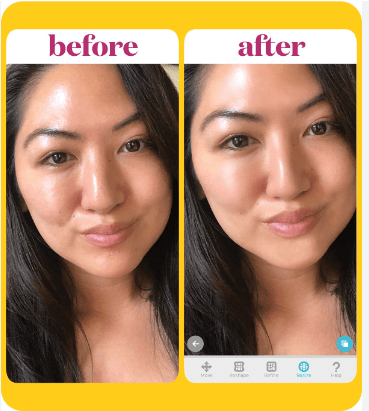
Filters on platforms like Instagram carry a measurable cost to mental health and self-esteem. Research points to a link between regular filter use, a poorer body image, and a stronger sense of not being good enough.
The psychological implications of filtered images
Filtered images carry real psychological weight. Scrolling past a stream of polished, edited photos makes it easy to size yourself up against them and come away feeling like you fall short.
That habit chips away at self-esteem and leaves people unhappy with their own bodies. The pressure to look a certain way, driven by filters that sharpen features or make skin appear flawless, takes a toll on mental health over time.
The useful counterweight is awareness. Knowing what filters do lets people push back with self-acceptance and honesty in how they use social media, rather than treating every edited photo as the real thing.
The role of social comparison and body dissatisfaction
Social comparison and body dissatisfaction sit at the center of how Instagram filters affect mental health. When users scroll past filtered photos built around idealized looks, they can walk away with a worse view of themselves and a sense that they do not measure up.
Holding yourself up against edited images bends your read on reality and treats an unrealistic standard as the norm. That hits hardest for people already dealing with body image struggles or shaky self-esteem, since the gap between the photo and their own reflection feels wider.
Seeing those filtered images again and again keeps that dissatisfaction alive. It builds pressure to match a look that was never real to begin with, and in some cases it pushes people toward harmful behavior such as extreme dieting or cosmetic procedures.
The Importance of Diversity and Authenticity
Because filters keep pushing unrealistic beauty ideals, there is a strong case for more representation and inclusivity on social platforms like Instagram.
How filters can perpetuate unrealistic beauty ideals
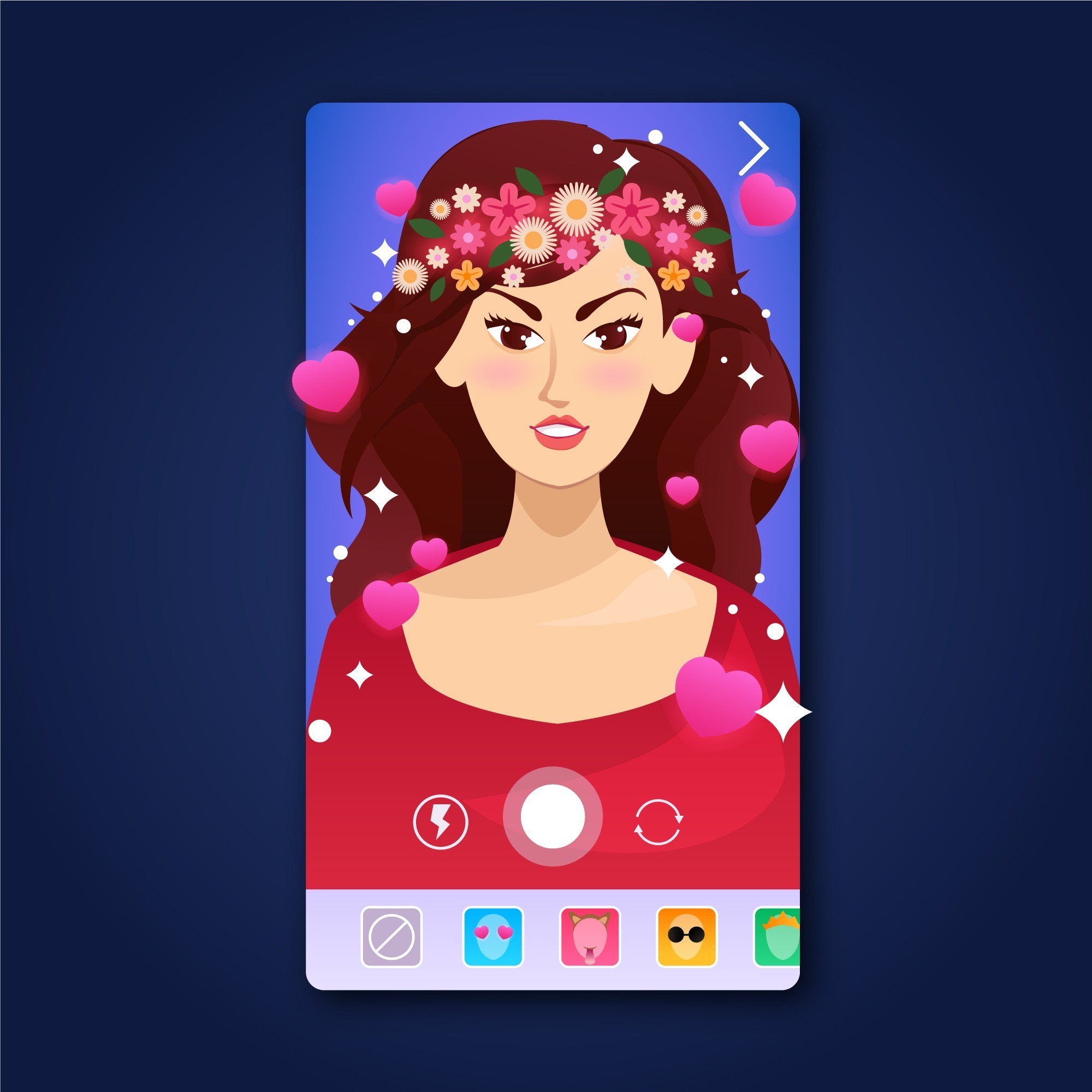
Filters on platforms like Instagram do a lot to keep unrealistic beauty ideals in circulation. When users apply one to a photo, it often sharpens certain features, hides blemishes, or reshapes the face outright.
That produces a standard almost nobody can match in the mirror. And with steady exposure to those edited photos, viewers slowly recalibrate what they treat as attractive or desirable, using a bar that only exists inside an app.
The fallout lands on self-esteem and drives body dissatisfaction among people who do not fit the idealized mold. Naming that influence out loud, and showing a wider range of faces and bodies, is how platforms start to loosen its grip.
The need for representation and inclusivity on social media
Social media gives people a powerful outlet for self-expression and a way to find their community. Even so, these platforms still fall short on representation and inclusivity, and that gap has real consequences.
When feeds fail to show diversity across race, body size, ability, gender identity, or sexuality, they reinforce narrow beauty standards and leave marginalized people feeling shut out or not good enough.
Users can push back by asking for honest representation and by supporting accounts that put inclusivity first. That is how an online space starts to feel like one where everyone is seen and counted.
Conclusion: Navigating the Filtered World of Instagram
The practical takeaway is to move through the filtered side of Instagram with awareness and self-acceptance. Leaning on authenticity instead of chasing unrealistic beauty standards makes for a healthier experience online.
Once people understand how filters affect mental health and body image, they can make clearer choices about their own social media use and help build a more inclusive, varied platform.
Encouraging conscious use of filters
Filters on Instagram can be a fun way to freshen up your photos and give a post some personality. The key is to reach for them with a clear head. A filter can bend reality and manufacture a beauty ideal that no one actually looks like.
Once you notice how a filter changes the way you see yourself and other people, you can decide more deliberately when and how to apply one. It helps to lead with self-acceptance and honesty online, and to let your real self show up in your feed.
There is nothing wrong with experimenting for the sake of creativity. The trap to avoid is treating a filtered image as a standard you have to live up to.
Promoting self-acceptance and authenticity in social media use
The healthiest move on social media is to lead with self-acceptance and honesty. When people own who they are and lean into what makes them different, the pressure to match filter-driven beauty ideals loses much of its power.
Showing up honestly builds a more positive space, one that rewards self-love instead of comparison. It is worth holding on to the reminder that real beauty comes from the person, not the filter layered over the photo.
Thought you might also like –
How to change your Instagram password?
Comparison of Posts and Stories on Instagram (2023)
Instasupersave Alternatives – Download Instagram Stories and Highlights in 2023
FAQs

- Independent picks for exactly what you just read about
- Matched to your team size & needs
- Vendors don't pay for placement
Step 1 of 4
How big is your team?
We tailor recommendations to companies your size.















Related Articles
SaaS Insights
Remotion: What It Is & How Programmatic Video Generation Works
Continue reading →
SaaS Insights
Calendly: Pricing, Features & What It Actually Does
Continue reading →
SaaS Insights
Clay: Pricing, Features & What It Actually Does
Continue reading →
SaaS Insights
Lemlist: Pricing, Features & What It Actually Does
Continue reading →