

Confidence in the accuracy of a company’s financial records can waver after an unexpected event, and the concern is justified: employee theft contributes to 33 percent of business bankruptcies.
This article explains why accounting ethics matters, how it shapes financial management and decision-making, and what accountants can do to keep financial reporting honest and transparent. The sections that follow cover the importance of ethics, the guidelines that support ethical behavior, the consequences of poor ethics, and practical ways to maintain high standards over time.
Key Takeaways
- Ethics in accounting is essential for building trust with investors, maintaining professional integrity, avoiding legal trouble, and protecting the reputation of the profession.
- Accountants must comply with laws and regulations to ensure ethical behavior in accounting, which includes following legal guidelines, avoiding fraudulent activities, protecting stakeholders’ interests, mitigating legal risks, and promoting transparency.
- Honesty and integrity in decision-making are essential aspects of ethical behavior in accounting as they uphold high moral standards and build trust with clients and stakeholders.
- Diligence in financial matters is necessary for ethical behavior in accounting to ensure accurate financial reporting, compliance with laws and regulations, transparency, accountability, and protection of stakeholders’ interests.
The Importance of Ethics in Accounting
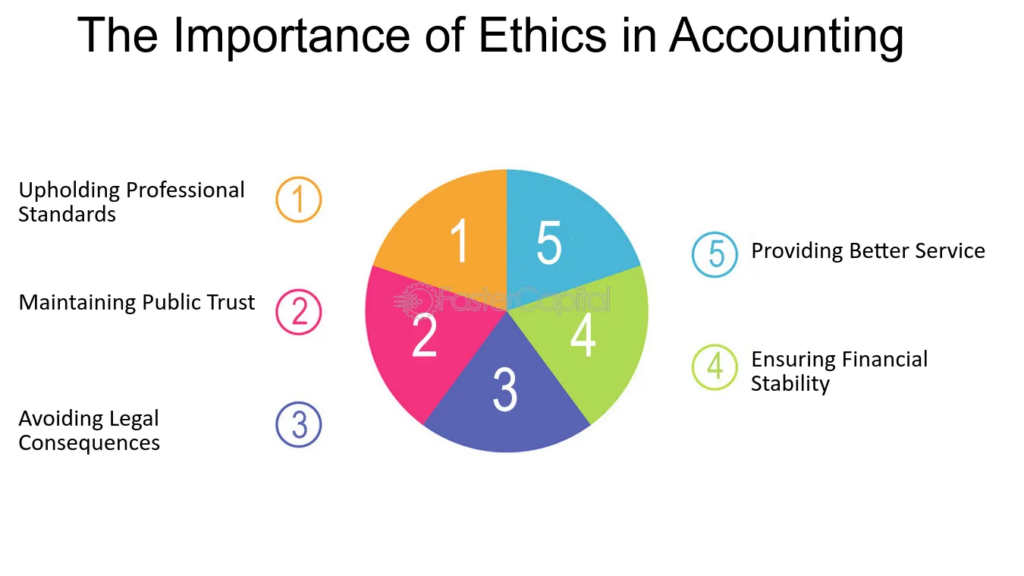
Maintaining ethical standards in accounting is crucial. It builds trust with investors, upholds professional integrity, keeps firms clear of legal trouble, and protects the reputation of the accounting profession.
Building trust with investors
Ethical conduct directly shapes trust with investors. It reaches beyond reporting accurate numbers to cover the entire process of financial management and decision-making, from how transactions are recorded to how results are communicated.
When accountants act with honesty and integrity, they reassure investors about a company’s financial health. That transparency gives investors the confidence to make informed decisions about investing, knowing the books are not cooked or manipulated.
Breaches of ethics can lead to mistrust, which may trigger the withdrawal of investment or legal action against a firm. That risk shows why high ethical standards matter so much in accounting practice, and why investors watch closely for any sign that the numbers are not what they seem.
Maintaining professional standards
Professional standards in accounting carry real weight. They create a positive image for the accountant and give clients and stakeholders confidence. Meeting them means being honest, diligent, and transparent in every financial dealing.
Meeting this bar requires accountants to comply with the laws, regulations, and ethical codes established by various accounting bodies, and to apply them consistently rather than only when it is convenient.
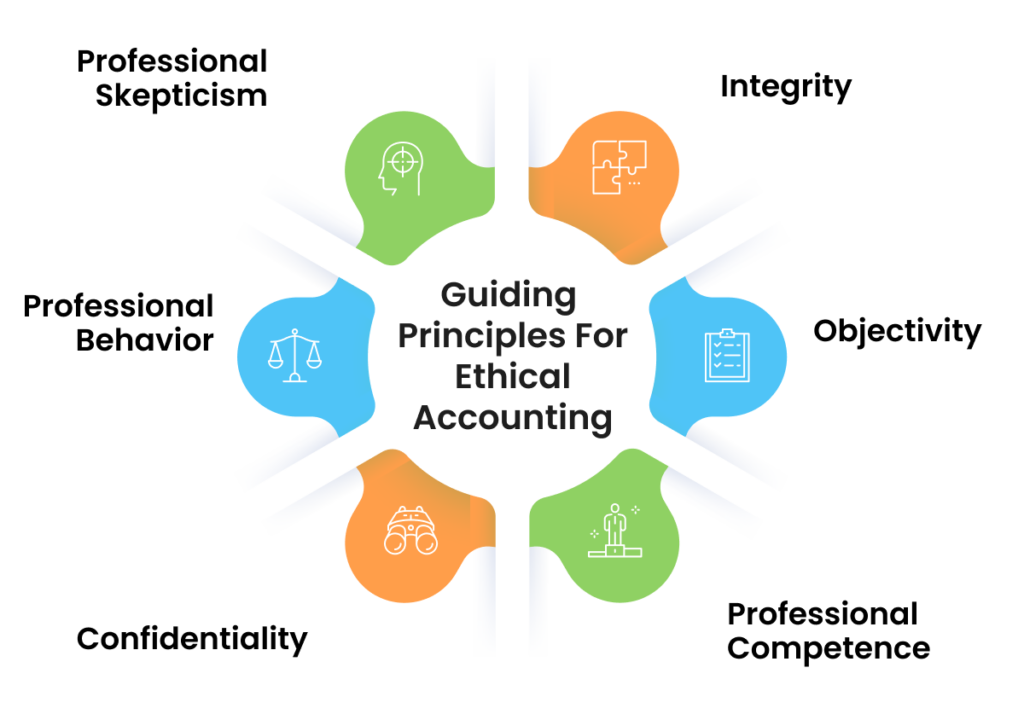
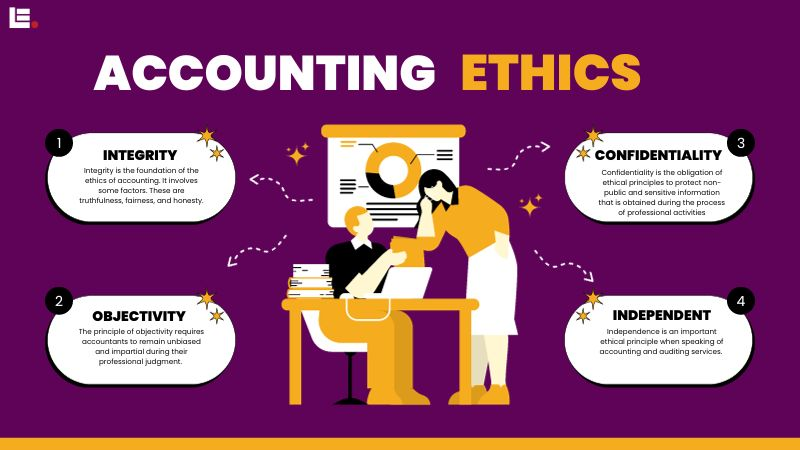
Integrity sits at the heart of these standards. Every business interaction calls for straightforwardness from accounting professionals, and confidentiality stays intact when handling sensitive data.
These aspects of professionalism keep trustworthiness present throughout the financial reporting process, and they protect investors’ interests by supplying accurate information about their investments so that every decision can rest on reliable and verifiable data.
Avoiding legal trouble
Ethics matters greatly in accounting, particularly for staying clear of legal trouble. Unethical behavior can result in severe consequences, including fines or even imprisonment for those responsible.
On the other hand, complying with laws and regulations goes hand in hand with safeguarding an accountant’s professional reputation and maintaining credibility in the eyes of clients and stakeholders.
Trustworthiness in financial accounting reduces risk and supports transparency and accountability across the organization. Practicing diligence and adhering to ethical principles are proactive steps toward avoiding legal trouble before it arises.
Protecting the reputation of the accounting profession
Protecting the reputation of the accounting profession keeps public trust and confidence in financial reporting intact. Ethical behavior safeguards that reputation by ensuring accountants act with honesty, integrity, and trustworthiness.
By adhering to ethical principles, accountants show their commitment to delivering accurate and reliable financial information. This helps build investor trust and strengthens the credibility of the entire accounting industry.
By upholding high standards of professionalism and ethics, accountants can help create a positive image for the profession and inspire confidence in their clients and stakeholders, which in turn supports the reliability of the reports they produce.
Business runs on transparency and accountability, and that reality makes protecting the reputation of the accounting profession more important than ever before. A single high-profile lapse can shake confidence across the whole field.
Accountants must follow the guidelines set by professional bodies to prevent any misuse or mishandling of financial information. Doing so keeps client information confidential and ensures all financial transactions are conducted honestly and transparently.
Guidelines for Ethical Behavior in Accounting
Compliance with laws and regulations is central to ethical behavior in accounting. It sets the foundation for honesty, integrity, and diligent financial practice. The sections below cover why these guidelines matter in the profession.
Compliance with laws and regulations
Compliance with laws and regulations is a fundamental part of ethical behavior in accounting. Adhering to legal requirements protects the integrity and accuracy of financial reporting. Some key points to consider:
- Following laws and regulations: Adhering to relevant laws and regulations helps accountants maintain ethical standards and ensures financial information is prepared and presented within legal guidelines.
- Avoiding fraudulent activities: Compliance helps prevent fraud such as embezzlement, misappropriation of funds, or illegal tax evasion, protecting the interests of clients and businesses.
- Protecting stakeholders’ interests: Complying with laws and regulations protects investors, creditors, and employees by providing accurate, reliable financial information for informed decisions.
- Mitigating legal risks: Compliance lowers the risk of legal repercussions for accountants and their clients. Staying current on accounting laws and rules helps avoid penalties, lawsuits, or reputational damage.
- Ensuring transparency: Compliance supports transparent financial reporting, so statements reflect the true and fair position of a business under standardized accounting principles.
Honesty and integrity in decision-making
Honesty and integrity in decision-making are fundamental to ethical behavior in accounting. Accountants need to make choices that prioritize the truth and hold to high moral standards.
By acting honestly and with integrity, accountants can ensure that financial information is accurately recorded, reported, and communicated. This commitment to ethical decision-making builds trust with clients, investors, and stakeholders who rely on accurate financial data to make informed business decisions.
Upholding honesty and integrity in decision-making also helps protect companies from legal trouble and upholds the reputation of the accounting profession as a whole, since every choice an accountant makes reflects on the wider field.
Diligence in financial matters
Diligence in financial matters is a key part of ethical behavior in accounting. It requires accountants to be thorough, attentive, and accurate when handling financial transactions and records.
By demonstrating diligence, accountants ensure that financial information is properly recorded, analyzed, and reported in compliance with laws and regulations. This helps to minimize errors or misrepresentations that could otherwise lead to legal trouble or damage the reputation of both the accountant and the accounting profession as a whole.
Diligence also matters directly in protecting stakeholders’ interests by keeping financial reporting transparent and accountable, so that the people who depend on those reports can act with confidence.
The Consequences of Poor Ethics in Accounting
Poor ethics in accounting carries serious consequences, including financial losses for companies, damage to reputation and relationships, and the risk of legal repercussions.
Company financial losses
Company financial losses can have serious consequences for any organization. When accounting ethics are compromised, the result can be inaccurate financial reporting and mismanagement of funds that goes unnoticed for too long.
This can result in significant monetary losses for the company, weakening its profitability and long-term sustainability. Ethical accountants play a vital role in preventing such losses by keeping financial reporting practices transparent and accurate.
By adhering to ethical standards and diligently handling financial matters, accountants help shield companies from potential financial setbacks caused by unethical behavior or fraudulent practices, catching problems before they grow.
Integrity in accounting protects an organization’s finances and prevents unnecessary loss. Ethical accountants prioritize honest decision-making, compliance with laws and regulations, and careful oversight of every financial transaction.
That commitment to upholding ethical principles helps mitigate the risk of financial losses that may arise from unethical practices or misconduct within the accounting profession, protecting the organization’s finances over the long term.
Damage to reputation and relationships
Poor ethics in accounting can badly damage a company’s reputation and relationships. Once unethical practices come to light, customers, investors, and business partners may lose trust and confidence in the organization.
This erosion of trust can lead to financial losses as customers take their business elsewhere and investors withdraw their support. Moreover, damaged relationships with clients and stakeholders can be challenging to repair, and they may limit future opportunities for growth and collaboration.
Accountants need to understand the consequences of poor ethics and prioritize ethical behavior to protect both their own reputation and the reputation of the accounting profession as a whole, since rebuilding lost trust takes far longer than keeping it.
Risk of legal repercussions
Unethical behavior in accounting can bring serious legal consequences. Accountants who fail to meet ethical standards may face legal action, fines, or even imprisonment.
The reputation of the profession as a whole also suffers when unethical practices come to light. Clients and stakeholders may lose trust in accountants and hesitate to engage their services.
To protect themselves and their clients from these risks, accountants must prioritize ethics by following laws and regulations, maintaining honesty and integrity in decision-making, and diligently handling all financial matters entrusted to them.
5 Key Reasons Why Ethics is Important in Accounting
Ethics is essential in accounting for handling sensitive information, taking responsibility for mistakes, upholding a professional image, reducing legal risks, and fulfilling obligations to clients and businesses.
Handling sensitive information
An ethical accountant has a responsibility to handle sensitive information with the utmost care and confidentiality. This includes safeguarding financial records, personal data, and other confidential details entrusted to them by clients.
By maintaining strict privacy protocols and security measures, accountants can keep that sensitive information protected from unauthorized access or misuse. Handling it ethically demonstrates professionalism and helps build trust with clients who rely on their financial matters staying secure.
Handling sensitive information ethically is also crucial for complying with legal requirements and industry regulations. Laws such as the General Data Protection Regulation (GDPR) place significant emphasis on protecting individuals’ personal data and holding organizations accountable for any breaches that occur.
By upholding ethical standards in handling sensitive information, accountants can avoid legal trouble while also protecting their clients’ best interests and reinforcing the confidence clients place in them.
Maintaining a high level of integrity with confidential information also preserves the reputation of the profession as a whole. Clients expect accountants to exercise discretion and keep strict confidentiality about their financial affairs.
Taking responsibility for mistakes
Accountants must take responsibility for their mistakes to uphold ethical standards in the accounting profession. When errors occur, it is crucial for accountants to own up to them and rectify the situation promptly rather than hide it.
By taking responsibility, accountants demonstrate their integrity and their commitment to accuracy in financial reporting. Admitting mistakes also creates valuable learning opportunities that can lead to improvements in processes and procedures for the future.
It keeps trust intact with clients and stakeholders by showing a willingness to be transparent and accountable for any errors made.
Upholding a professional image
Upholding a professional image is a crucial aspect of ethics in accounting. Accountants must always conduct themselves with integrity and professionalism to maintain the trust of their clients and stakeholders.
This means consistently adhering to ethical principles, following accounting regulations, and ensuring transparency in financial reporting. By upholding a professional image, accountants demonstrate their commitment to delivering accurate and reliable financial information while protecting the reputation of both themselves and the accounting profession as a whole.
Reducing legal risks
Reducing legal risks protects the integrity of the profession along with clients and stakeholders. Ethical behavior helps prevent fraud or misconduct and supports compliance with laws and regulations.
By adhering to ethical principles, accountants can minimize the chances of facing legal repercussions that could result in financial penalties or damage to their professional reputation.
Upholding ethical standards in accounting practices demonstrates a commitment to honesty, trustworthiness, and accountability, which are essential for maintaining positive client relationships and keeping legal risks low.
Fulfilling obligations to clients and businesses
An ethical accountant works to fulfill obligations to both clients and businesses. This means being committed to providing accurate financial information, keeping records up to date, and meeting deadlines for financial reporting without exception.
Meeting these obligations shows professionalism and dedication to clients’ success. Reliable and timely financial reporting also lets businesses make informed decisions about their operations and strategies.
By upholding their responsibilities to clients and businesses alike, accountants contribute to the overall success and growth of the organizations they serve, and they earn the kind of reputation that leads to repeat work and referrals.
Fulfilling obligations also includes maintaining confidentiality and protecting sensitive information entrusted by clients and businesses. Accountants must prioritize client privacy while meeting legal requirements for data protection.
They should also ensure that business transactions are recorded accurately, which keeps financial reports transparent and easy to verify. By doing so ethically, accountants build trust with both clients and businesses, a vital element in establishing lasting relationships based on integrity and mutual respect.
Maintaining Ethics in Accounting
Maintaining ethics in accounting means staying updated on ethical standards, setting expectations and goals, prioritizing honesty and integrity in every decision, owning mistakes and learning from them, and seeking ongoing training and education.
Staying updated on ethical standards
Staying updated on ethical standards keeps accountants aware of any changes or updates in accounting ethics. Staying current supports ethical behavior and best practice, and it maintains credibility and reputation as a trustworthy accountant. Some ways to stay updated:
- Regularly review and familiarize yourself with the code of ethics provided by professional accounting bodies.
- Attend seminars, webinars, and conferences that focus on ethical issues in accounting.
- Subscribe to newsletters or publications that discuss current topics and developments in accounting ethics.
- Join discussions with other professionals or professional networking groups to exchange knowledge and insights on ethical practices.
- Take continuing education courses that specifically address ethical issues in accounting.
Setting expectations and goals
Clear expectations and goals help maintain ethical standards in accounting. Guidelines for behavior and performance help accountants act with integrity and professionalism.
Setting expectations helps create a culture of honesty and transparency within the accounting profession. Goals provide a framework for accountants to strive toward, so they keep working to uphold ethical principles in the work they produce day to day.
By setting these expectations and goals, accountants can hold themselves accountable and contribute to building trust with clients, stakeholders, and the public they serve.
Prioritizing honesty and integrity in all decisions
Honesty and integrity in every decision are paramount in accounting. They are fundamental to upholding trust, credibility, and professionalism.
By placing honesty and integrity at the forefront of every choice made, accountants demonstrate their commitment to ethical behavior. This enhances their reputation and builds confidence among clients and stakeholders who rely on accurate financial information to run their operations.
Prioritizing these values ensures that accountants act with transparency, accountability, and diligence in their work, which ultimately supports the overall success and sustainability of the businesses they serve.
Owning mistakes and learning from them
Mistakes happen, even in the accounting profession. What sets ethical accountants apart is their willingness to take responsibility for errors and learn from them. Owning mistakes shows integrity and a commitment to professionalism.
By acknowledging and rectifying errors, accountants can maintain trust with clients and stakeholders while also improving their own skills and knowledge. Learning from mistakes allows accountants to grow professionally, so similar errors are not repeated in the future.
Continual improvement through self-reflection and learning is central to maintaining ethical behavior in accounting over the course of a long career.
Seeking ongoing training and education
To maintain high ethical standards in accounting, it is crucial for accountants to seek ongoing training and education. This keeps them current on the latest ethical guidelines and regulations within the industry as those rules change.
By continuously learning and expanding their knowledge, accountants can better understand their responsibilities and make decisions grounded in ethical principles. Ongoing training also helps them identify potential ethical dilemmas they may face in their work and learn how to handle those situations appropriately.
Ultimately, seeking ongoing training and education ensures that accountants are equipped with the skills and knowledge they need to uphold integrity in their profession year after year.
Conclusion
Ethics plays a crucial role in accounting by building trust with investors and protecting the reputation of the profession as a whole. Adhering to ethical principles ensures that accountants maintain professional standards, avoid legal trouble, and act with honesty and integrity in every part of their work.
By prioritizing ethics in their accounting practices, businesses can mitigate risks, improve customer satisfaction, and uphold their obligations to clients and stakeholders over the long run.
Frequently Asked Questions
1. Why is ethics important in accounting?
Ethics is important in accounting to maintain the integrity of financial reporting, promote transparency, and ensure that stakeholders can trust the information provided.
2. What are some common ethical issues in accounting?
Some common ethical issues in accounting include conflicts of interest, fraudulent activities like embezzlement or manipulation of financial statements, and breaches of client confidentiality.
3. How can accountants uphold ethical standards?
Accountants can uphold ethical standards by following professional codes of conduct, which keeps independence and objectivity in their work, maintaining confidentiality, and regularly updating their knowledge on regulations and best practices.
4. What are the consequences of unethical behavior in accounting?
The consequences of unethical behavior in accounting can include legal penalties such as fines or imprisonment, damage to reputation for individuals or organizations involved, loss of investor confidence, and potential economic harm to stakeholders.
5. How does ethics contribute to a successful career in accounting?
Adhering to ethical principles enhances an accountant’s professional reputation and credibility. It establishes trust with clients and employers which leads to long-term success through increased opportunities for advancement and referral business from satisfied clients

- Independent picks for exactly what you just read about
- Matched to your team size & needs
- Vendors don't pay for placement
Step 1 of 4
How big is your team?
We tailor recommendations to companies your size.















Related Articles

Finance & Billing Software
Best Payroll Software for Contractors and Freelancers in 2026
Continue reading →

Buyers guide
How To Choose The Best Cryptocurrency Exchanges For 2026
Continue reading →

401K Providers
Top 5 Best 401k Providers for Small Businesses in 2026
Continue reading →

Accounting Software
How To Choose The Best Procure-to-Pay Software For 2026
Continue reading →