

Contracts touch nearly every part of a business, from vendor deals to customer agreements, and managing them by hand slows everything down. Paper trails, scattered email threads, and manual sign-offs make it easy to lose track of a deadline or misplace a clause. That’s why more organizations are switching to digital contract lifecycle management (CLM) to handle the process from start to finish.
A digital CLM system gives teams one secure place to create, negotiate, and execute contracts, cutting down on manual work and the errors that come with it. It replaces scattered documents and one-off approvals with a single record that everyone involved can rely on.
This post walks through how digital CLM actually works, stage by stage, and where it saves companies the most time.
What is contract lifecycle management
Contract lifecycle management (CLM) is the systematic process of managing a contract from the moment it’s drafted through negotiation, execution, ongoing management, and eventually renewal or expiration.
CLM covers document generation, version control, collaboration, approval workflows, and reporting. The goal is to improve productivity, cut down on manual labor, reduce risk, and keep every party accountable to the terms they agreed to. Automating the contract process gives organizations more visibility and control over their obligations and helps them manage relationships with suppliers, customers, and other stakeholders.
Digital CLM is the technology-based approach to managing a contract’s full lifecycle, from creation to renewal or expiration. It gives organizations a single, consolidated repository, so contracts are easier to store, find, and access than they’d be scattered across email threads and shared drives. That repository is also what makes the rest of the process, drafting, negotiating, signing, and renewing, possible to run from one place instead of several disconnected tools.
How does contract lifecycle management work
Digital CLM runs through seven stages: initiation, authoring, process and workflow, negotiation and approval, execution, ongoing compliance within the repository, and renewal.
- Initiation stage
- Authoring stage
- Process & workflow stage
- Negotiation stage
- Execution stage
- Compliance stage
- Contract renewal stage
Here’s how each stage plays out in practice:
1- Initiation Stage
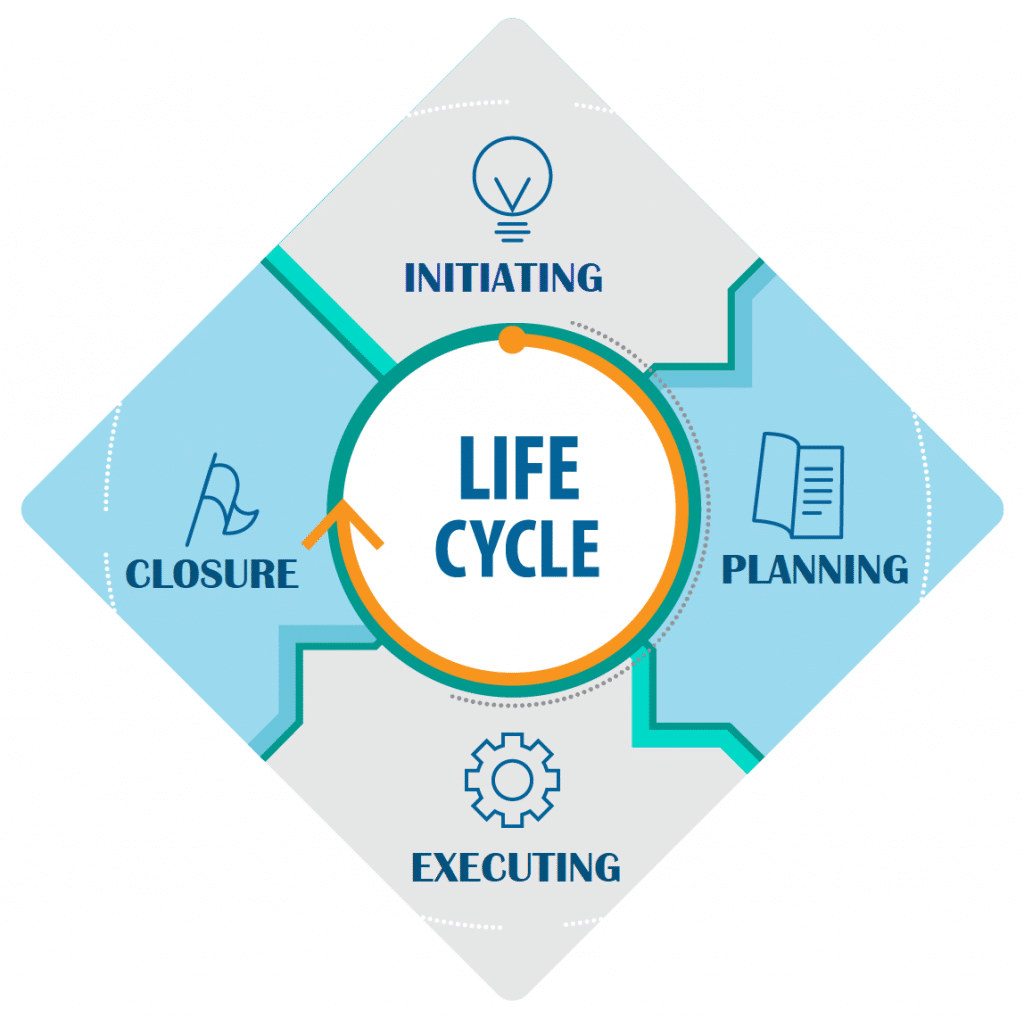
The initiation stage is where the need for a contract gets identified and the drafting process begins. It generally involves:
- Determining the necessity of a contract
- Collecting demands
- Drafting the agreement
In practice, that means figuring out why the contract is needed, gathering the requirements from everyone involved, and putting together the first draft.
Example:
A business needs a contract outlining the terms of a new partnership with a vendor. Legal compiles the requirements, uses the digital CLM software to generate a contract template, and sends it to the vendor for review.
2- Authoring stage
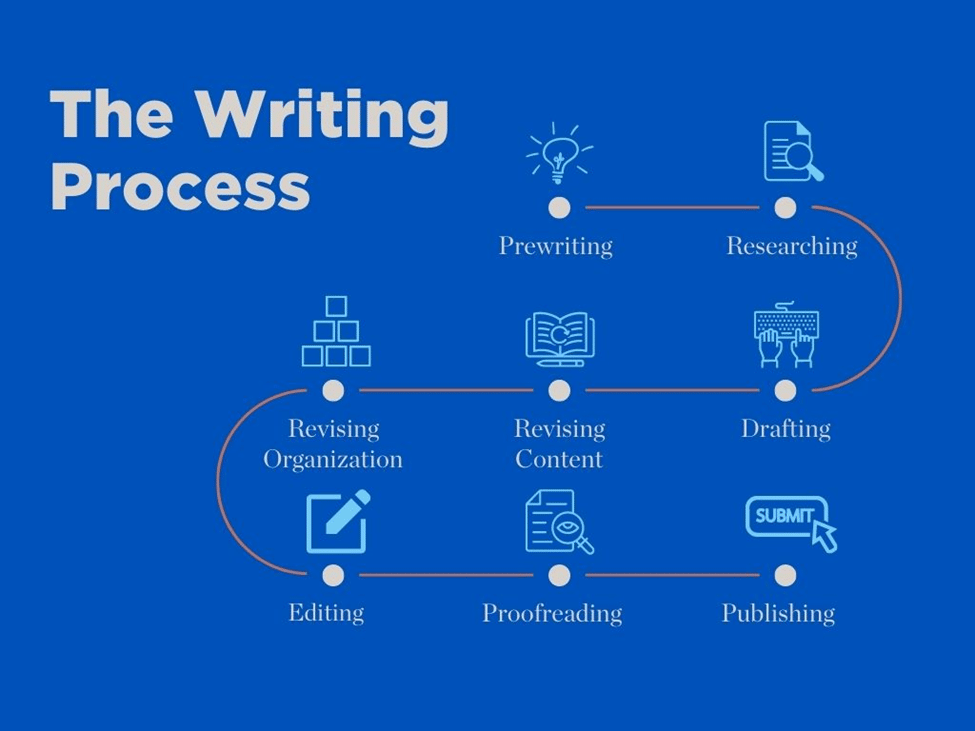
The authoring stage covers creating, editing, and finalizing a contract inside the contract management system. It typically involves:
- Contract Creation
- Collaboration and Discussions
- Approval and finalization
In practice, that means writing the contract, going back and forth with stakeholders on any changes, and getting the draft approved before it moves forward.
Example:
A company is drafting a contract with a supplier for the delivery of goods. Once the initiation stage wraps up, the supplier sends feedback and the company revises the contract until both sides agree on the terms.
3- Process & Workflow stage
This stage covers managing the contract across its entire lifecycle, from creation to expiration. It typically involves:
- Contract Management
- Contract Renewal or Amendment
- Contract Archiving
In practice, that means keeping the contract organized while it’s active, revisiting its terms when a renewal or amendment comes up, and archiving it once it’s no longer in force.
4- Negotiation & Finalization stage
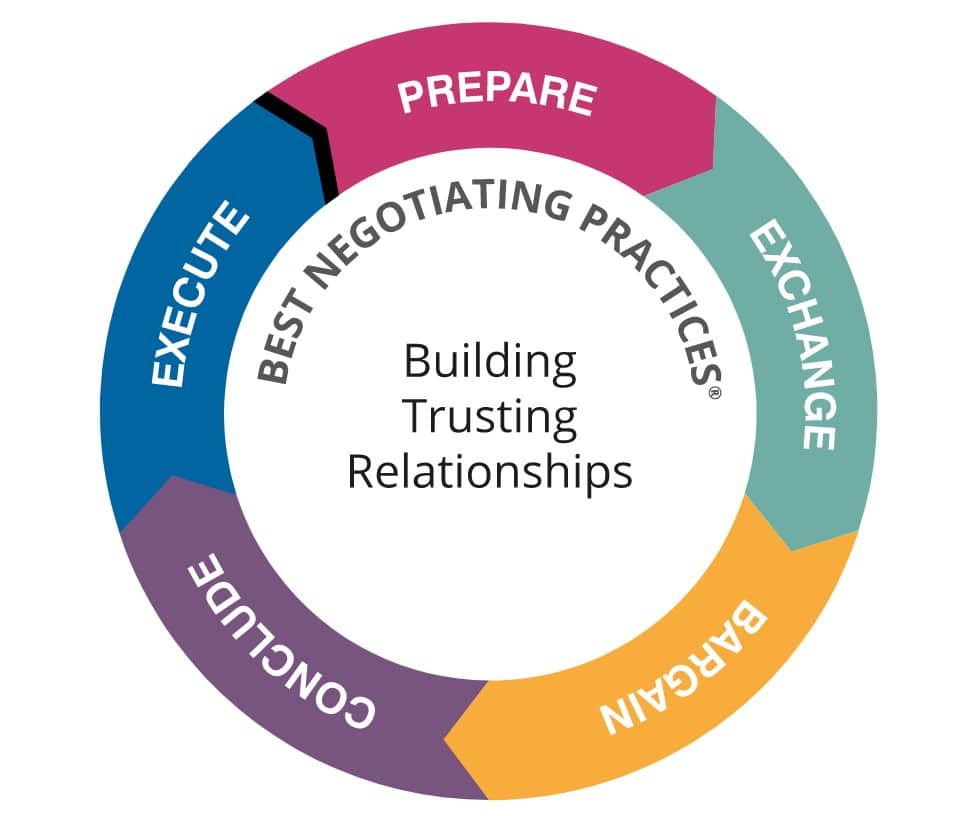
This stage covers negotiating and finalizing the terms of a contract using the CLM system. It typically involves:
- Arbitration
- Approval Workflow
- Contract Finalization
In practice, that means resolving any disagreements over terms, routing the contract through the approval workflow, and locking in the final version.
Example:
A corporation is negotiating a contract with a supplier over the delivery of goods. Using the digital CLM software, legal drafts the contract and sends it to the supplier for review. After the supplier responds, the business adjusts the terms as needed until everyone signs off.
5- Execution stage
The execution stage covers carrying out the terms of a contract once every party has signed. It typically involves:
- Contract Activation Through Signing
- Contract Performance Monitoring
- Contract Administration
In practice, that means activating the contract once it’s signed, monitoring how well each side performs against it, and administering it on an ongoing basis.
Example:
A business and a vendor have a contract covering the delivery of goods. The business tracks the contract through a digital CLM platform, which gives real-time visibility into its status and automatically triggers alerts for any potential compliance issues. The same platform handles ongoing administration, including information updates and dispute resolution.
6- Compliance stage
Post-execution compliance is the practice of confirming that both parties keep honoring the terms and conditions of a contract after it’s been signed. This phase centers on monitoring and enforcing the agreement’s conditions so everyone follows through on their commitments.
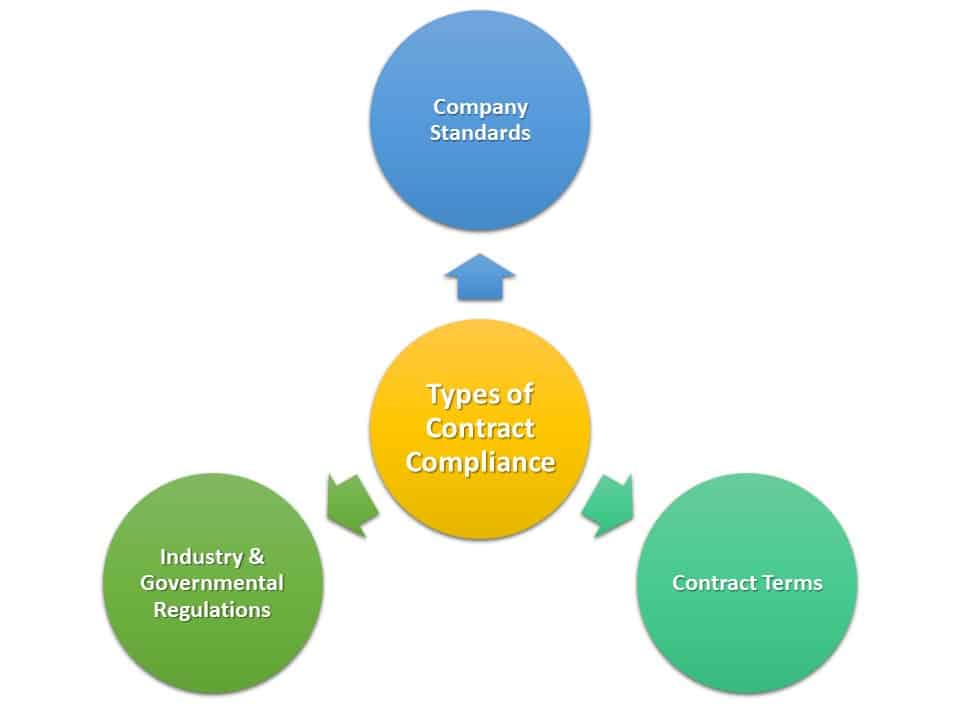
Post-execution compliance duties can include tracking the contract’s performance, making sure required reports get filed on time, and confirming payments arrive on schedule.
This phase may also mean handling any disputes or contract violations that come up, and making sure the necessary steps get taken to resolve them.
7- Contract Renewal stage
The contract renewal stage is the process of reviewing and negotiating the terms of an existing contract before it expires, with the goal of extending it for another period.
This phase usually starts before the contract expires and involves assessing the terms already in place, then negotiating any amendments needed to keep the agreement working for both parties.
During renewal, it’s common to evaluate how the contract performed and how the relationship between the parties has gone, then make any changes needed to the terms. That can mean negotiating new conditions, such as adjustments to payment schedules, delivery windows, or the scope of work.
The point of the renewal stage is to keep the contract working for both parties and to lock in a long-term agreement that matches their needs. Digital CLM tools can automate much of the renewal process, which makes it faster and more consistent.
How does contract lifecycle management improves business efficiency
CLM lets organizations manage a contract’s full lifecycle, from creation through renewal or termination, in one system.
Using digital CLM tools and processes helps organizations get more out of contract management and pass those gains on to the rest of the business. Here’s how contract management software raises operational effectiveness:
- Align Contract Creation: CLM solutions make it simpler to establish, track, and store contracts by offering a central, digital repository for contract management and storage. This can speed up the process of creating contracts and lessen mistakes and omissions.
- Better Contract Review and Approval: CLM tools streamline the review and approval process, letting contract managers track the status of contracts quickly and get the required approvals on time instead of chasing sign-offs over email.
- Enhanced Contract Visibility: CLM tools give users immediate access to contract data, making it simpler to track and manage contracts. This can aid businesses in decision-making, risk mitigation, and increased visibility into every agreement they hold.
- Better Contract Compliance: CLM systems give firms the ability to keep track of contracts to make sure they adhere to legal and regulatory standards. This lowers risk and helps firms avoid potential legal problems down the line.
- Better Contract Negotiations: CLM solutions offer a centralized platform for contract negotiations, making it easier for contract managers and their stakeholders to collaborate toward the best terms and conditions.
- Effective Contract Renewal and Termination: The process of contract renewal and termination gets automated by CLM tools, which makes it simpler to manage a contract’s full lifespan from start to finish.
In short, CLM boosts business productivity by streamlining contract creation, review, and approval; sharpening contract visibility; supporting better negotiations; and making renewal and termination more efficient.
Conclusion
Organizations that adopt contract lifecycle management get more consistent, efficient operations in return. With CLM, there’s no more digging through stacks of paper contracts or losing track of a renewal deadline.
Instead, a centralized, digital platform handles the contract process from start to finish, covering everything this post walked through: initiation, authoring, negotiation, execution, compliance, and renewal.
Contract work eats up time that could go elsewhere in the business, and CLM is built to give that time back by cutting out manual steps and keeping every contract, and its status, visible in one place.
Do you also want to look at some leading electronic signature software? These pair well with CLM tools:
Best 5 Electronic Signature Software
Read More
The 5 Top Identity and Access Management (IAM) Tools
Top 5 Real Estate Project Management Software
How To Implement Contract Life Cycle Management To Strengthen Your Business
What is a contract lifecycle management system?
A contract lifecycle management (CLM) system is software built to automate and streamline the entire contract process, from formation to archive. It’s designed to manage a contract’s full lifecycle, from signing to renewal, amendment, and final expiration or termination.
What are the stages of a digital contract?
Stages of a digital contract fall into two groups. Pre-signature covers creation, negotiation and collaboration, and review and approval. Post-signature covers administration and execution, renewal and termination, and reporting and tracking.
What is the difference between CRM and CLM?
CRM (Customer Relationship Management) and CLM (Contract Lifecycle Management) are both important tools in business management, but they serve different purposes. CRM is software designed to help businesses manage and analyze customer interactions and data across the customer lifecycle. CLM is software that helps organizations manage the entire lifecycle of a contract, from creation and negotiation to execution and renewal.
Best Contract Lifecycle Management In 2023?
Some of the best contract lifecycle management software includes Linksquares, Ironclad, Lexion , Evisort , and Spotdraft.

- Independent picks for exactly what you just read about
- Matched to your team size & needs
- Vendors don't pay for placement
Step 1 of 4
How big is your team?
We tailor recommendations to companies your size.















Related Articles
Buyers guide
How To Choose The Best eDiscovery Software For 2026
Continue reading →
Buyers guide
How To Choose The Best Electronic Signature Software For 2026
Continue reading →
Buyers guide
How To Choose The Best Legal Case Management Software For 2026
Continue reading →
Finance & Billing Software
Contract Management Software Pricing in 2026: A Buyer’s Guide
Continue reading →