
The role of an event coordinator is changing fast. Technology and new trends in the events industry are reshaping the profession at a rapid pace, and the day-to-day work looks different than it did only a few years ago.
This article covers the shifting responsibilities of the job, the skills you need to succeed in it, and how newer tools help coordinators work more efficiently as the industry keeps moving.
Key Takeaways
- The role of an event coordinator is changing quickly because of technology and new trends in the events industry.
- Event coordinators need skills such as planning, communication, problem-solving, budget management, and knowledge of event trends and technology.
- Responsibilities include planning and running events, solving problems, and communicating clearly with team members and stakeholders.
- In the future, virtual and hybrid events will be central to event coordination, with platforms like monday.com Work OS helping coordinators work more efficiently.
Understanding the Role of an Event Coordinator

An event coordinator plans and runs events, using problem-solving and communication skills to work with team members and stakeholders throughout every stage of the process.
Definition and differences from event planners
An event coordinator takes care of tasks for an event. These tasks may be choosing the place or talking to the people who sell things. An event planner, on the other hand, makes the whole plan for the event.
They think through what will happen from start to end. So while both jobs deal with events, they are not the same thing. Both need a sharp eye and good skills. But being an event coordinator is about carrying out specific tasks well.
Necessary skills and qualifications
To work as an event coordinator, you need the right set of skills and qualifications. Here are some that top the list:
| Skill/Qualification | Description |
|---|---|
| Good at planning | Event coordinators make plans. This means setting dates, picking places, and more. |
| Detail-oriented | Each event has many parts. You need to keep track of all of them. |
| Great communication skills | You have to talk with many people in this job. Clients, venues, vendors – they all need your attention. |
| Problem-solving | Not everything goes as planned on event days. You should be able to fix any issues that come up. |
| Budget management | Every event has a budget. You must know how to manage money well. |
| Knowledge of event trends and technology | Knowing about the latest tools can give you an edge over others in this field. |
| Time management | There is always a deadline in this job! So it’s vital to use time smartly and get things done fast. |
Responsibilities of an Event Coordinator

The event coordinator plans and runs events, solves problems as they come up, communicates clearly with team members and stakeholders, and keeps everything coordinated throughout the entire process from start to finish.
Planning and executing events
An event coordinator handles many tasks in this role. Here are some key duties:
- First, they draw up plans for the event. They decide what will happen and when.
- Next, it’s time to pick the venue. The event coordinator has to find just the right place.
- They also need to hire vendors. This means picking people who will bring food, set up lights, and take care of other needs.
- The event coordinator sets up a budget for the event too.
- On the day of the event, they make sure everything runs without problems.
- After the event ends, they review everything that happened.
Problem-solving and communication skills
Problem-solving and communication skills are essential for a successful event coordinator in 2023. You will need to think quickly on your feet and find solutions when unexpected challenges come up in the middle of an event.
Whether it’s a last-minute change in the schedule or a technical issue with the audiovisual equipment, your problem-solving skills will be tested. Communication matters just as much, since you work with clients, vendors, and event staff.
Clear, concise communication keeps everyone on the same page and leads to smoother coordination and execution of events. As you build these skills over time, you will be ready to handle almost any situation that comes your way as an event coordinator.
Coordination with team members and stakeholders
An event coordinator works closely with team members and stakeholders to make an event successful. They collaborate and keep everyone informed and involved throughout the planning process. Here is how they coordinate with their team:
| Coordination Method | Description |
|---|---|
| Regular Meetings | The event coordinator holds regular meetings with the team to discuss progress, assign tasks, and address any challenges or concerns. |
| Delegation of Responsibilities | They delegate tasks to team members based on their skills and expertise, ensuring that everyone has a clear understanding of their roles and responsibilities. |
| Timelines and Deadlines | The event coordinator sets timelines and deadlines for each task, keeping the team on track and ensuring that everything is completed on time. |
| Communication Channels | They set up communication channels to support smooth communication among team members, such as project management tools or messaging platforms. |
| Problem-Solving | If any issues arise during the planning process, the event coordinator works with the team to find solutions quickly and efficiently. |
| Stakeholder Engagement | The event coordinator keeps open lines of communication with stakeholders, such as clients, sponsors, or vendors. They gather feedback, address concerns, and keep them updated on the progress of the event. |
| Collaboration | The event coordinator encourages collaboration among team members by building a supportive and inclusive work environment where ideas are shared freely. |
| Conflict Resolution | If conflicts or disagreements arise within the team or between stakeholders, the event coordinator acts as a mediator to find common ground and reach resolutions that satisfy all parties involved. |
The Future of Event Coordination

Event coordination is shifting toward virtual and hybrid events, with technology such as monday.com Work OS helping to simplify processes and improve collaboration among team members.
Virtual and hybrid event coordination
Virtual and hybrid event coordination is becoming more important in the events industry with each passing year. As technology continues to improve, event coordinators can now plan and run events that reach a global audience rather than a single room.
With virtual platforms and tools like monday.com Work OS, event coordinators can manage every part of an event from start to finish. Virtual events allow more flexibility, since attendees can join from anywhere with an internet connection.
Hybrid events combine in-person elements with virtual components, giving both on-site and remote attendees a distinct experience of the same event. This trend is expected to keep growing through 2023 and in the years beyond.
Utilizing technology such as monday.com Work OS
Technology is set to reshape event coordination. One tool event coordinators can use is monday.com Work OS. This platform provides a central hub for managing all parts of event planning and execution.
With monday.com Work OS, event coordinators can organize communication, track tasks and deadlines, manage budgets, and work with team members in one place. The platform also offers customizable workflows and automation features to simplify coordination further.
With technology like monday.com Work OS, event coordinators can work more efficiently, stay better organized across all their tasks, and deliver successful events without losing track of the details.
Release your inner event coordinator with monday.com
Want to stay on top of all your tasks as an event coordinator? monday.com is built for the job. This Work OS platform organizes your workflow from end to end and makes the work of planning events far more manageable.
With monday.com, you can manage budgets, coordinate with vendors, and handle logistics in one central place. The platform also has communication features that let you work with clients, vendors, and event staff in one shared space.
Stay organized, track progress, and make sure every detail is handled with the help of monday.com. It is a strong tool for event coordinators.
The Aleit Academy: A Journey to Becoming a Successful Event Coordinator
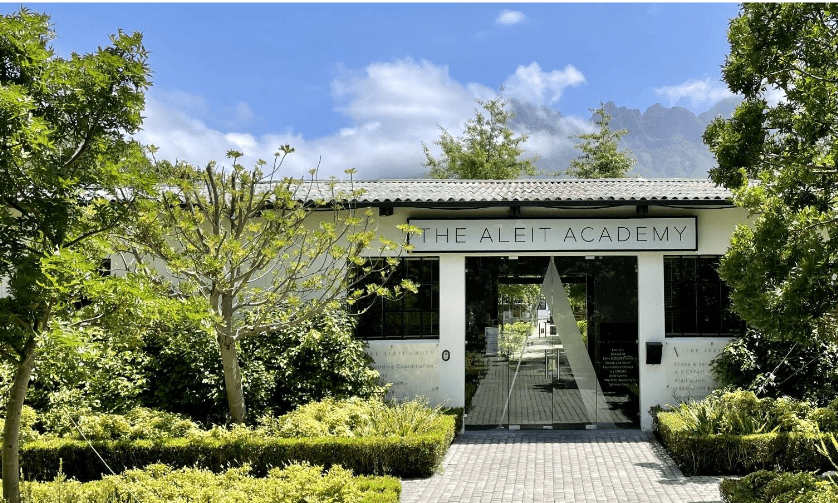
Get to know the Aleit Academy and build your skills as an event coordinator. There you can pick up essential skills, earn qualifications, and gain insight into the responsibilities the role will demand in the years ahead.
The Aleit Academy difference
The Aleit Academy offers training and education for aspiring event coordinators. With a focus on practical experience and hands-on learning, the academy gives students the skills and qualifications they need to succeed in event coordination.
Through its courses and workshops, students build knowledge in event planning, management, logistics, marketing, and more. The Aleit Academy also covers where the industry is heading, preparing students for upcoming trends and technologies in event coordination.
By enrolling at the Aleit Academy, students can start the path toward becoming successful event coordinators and gain the practical grounding the job requires.
Essential skills and qualifications for success
To succeed as an event coordinator, you need certain skills and qualifications. These include:
| Skill/Qualification | Description |
|---|---|
| Creativity | A creative mindset is crucial for coming up with unique event concepts that will captivate attendees. |
| Attention to Detail | Event coordination requires close attention to detail so that all parts of the event are well-planned and executed cleanly. |
| Organizational Skills | Strong organizational skills are essential for managing multiple tasks, timelines, and resources. |
| Problem-Solving Abilities | Being able to think on your feet and quickly find solutions to unexpected challenges is a key skill in event coordination. |
| Communication Skills | Excellent communication skills are necessary for working with clients, vendors, and team members, and for conveying information clearly. |
| Leadership Qualities | As an event coordinator, you may manage a team of staff or volunteers, so strong leadership is important for guiding and motivating them. |
| Tech-Savviness | With technology in the events industry changing constantly, a good understanding of event management software and virtual platforms is essential. |
| Flexibility | Events often require adapting to last-minute changes or unforeseen circumstances, so being flexible and adaptable is crucial for success. |
A glimpse into future responsibilities
The future responsibilities of an event coordinator will involve keeping up with new trends and technologies in the events industry. Coordinators will need to adapt by adding virtual and hybrid event coordination to their skill set.
This means coordinating online elements, such as live streaming and interactive platforms, alongside traditional in-person event logistics. Tools like monday.com Work OS can help organize planning, manage budgets efficiently, and improve communication with team members and stakeholders.
As the role keeps changing, event coordinators need to adopt new methods to give attendees memorable experiences while still managing every part of event planning and execution from the first idea to the final wrap-up.
Conclusion
The role of an event coordinator is varied and demanding, calling for a broad set of skills and close attention to detail. As technology keeps evolving, event coordinators must adapt and use new tools to plan and run successful events.
With the right qualifications and a strong sense of creativity and organization, anyone can build a career in this rewarding profession. If the work interests you, there is no better time to start learning the skills the role calls for.
Frequently Asked Questions
What is the role of an event coordinator?
An event coordinator plans and organizes various aspects of an event, such as venue selection, logistics, scheduling, and coordinating with vendors.
What skills are required to be a successful event coordinator?
Successful event coordinators need strong organizational skills, attention to detail, excellent communication abilities, time management skills, and the ability to work under pressure.
Do I need any qualifications or certifications to become an event coordinator?
While formal qualifications may not be necessary for entry-level positions, a degree in hospitality management or a related field can provide an advantage. Certifications like Certified Meeting Professional (CMP) can also strengthen your credentials.
How has the role of an event coordinator changed?
In 2023, the role of an event coordinator has become more varied due to advances in technology and changing trends. Coordinators now have to adapt to virtual events and hybrid formats while still managing traditional in-person gatherings.
What challenges do event coordinators face in 2023?
Event coordinators in 2020 face challenges such as adapting events for virtual platforms, ensuring cybersecurity measures for online events, and managing attendee uncertainties due to COVID-19 restrictions or concerns about safety protocols at physical venues.
Compare alternatives to the tools in this post

- Independent picks for exactly what you just read about
- Matched to your team size & needs
- Vendors don't pay for placement
Step 1 of 4
How big is your team?
We tailor recommendations to companies your size.















Related Articles

E-commerce Platforms
Shopify Statistics 2026: Revenue, Growth, and Merchant Data Insights
Continue reading →

Shopify
Top 5 Virtual Event Platforms (2026)
Continue reading →

Shopify
Virtual Event Platform For Proven Coordination: Detailed Guide (2026)
Continue reading →

Shopify
Aisle Planner Review: Comprehensive Software Solution for Event Management
Continue reading →