
Digital Marketing vs Content Marketing vs Content Strategy vs Product Marketing – Secrets to success

Understanding how marketing works in a digital world can be confusing. With so many terms in play, such as digital marketing, content marketing, content strategy, and product marketing, it is easy to get lost and to mix them up with one another.
This blog post breaks down each of these concepts for you, explaining every term on its own before showing how they work together in practice. The goal is to give you clarity so you can improve your business’s online presence with the right marketing choice.
Key Takeaways
- Digital marketing uses online platforms to promote products and services, reaching customers where they spend most of their time.
- Content marketing creates valuable, relevant content to attract and engage a target audience, building trust and brand loyalty.
- Content strategy plans, organizes, and manages content to meet specific business goals, so the message reaches the right people at the right time.
- Product marketing promotes a specific product or service and clearly shows its features and benefits to generate interest and drive sales.
Understanding the Differences
Digital marketing covers the full set of online channels used to promote products or services, while content marketing creates and distributes valuable, relevant content to attract and engage a target audience.
Content strategy plans, organizes, and manages that content to meet specific business goals. Product marketing promotes a specific product or service through targeted advertising and messaging.
What is Digital Marketing?
Digital marketing uses online platforms to promote products or services. It spans a wide range of activities, including social media promotion, search engine optimization (SEO), and email campaigns, all working toward the same result.
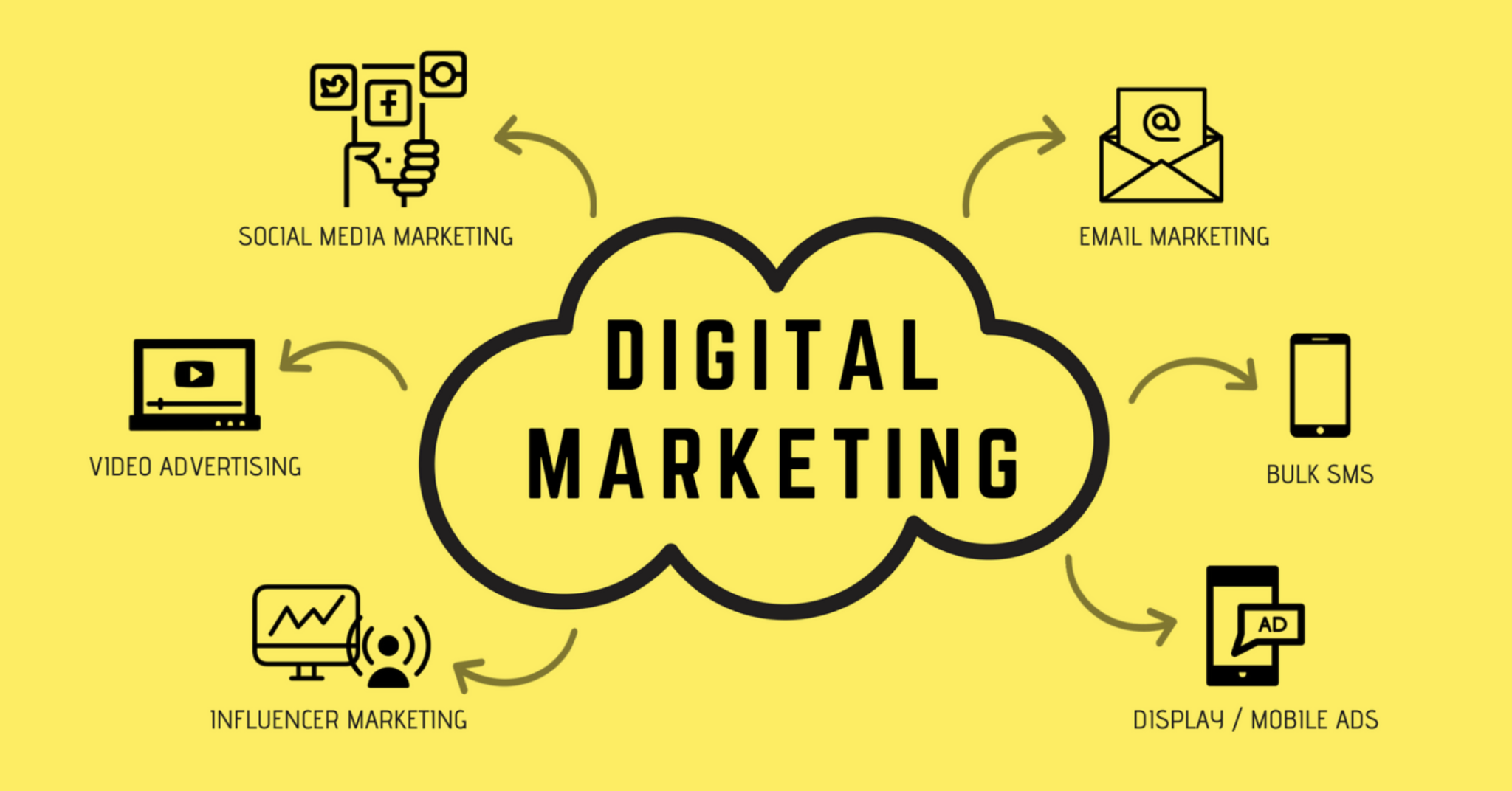
The aim is to reach customers where they spend most of their time, which is online. Businesses use digital marketing to increase brand awareness, connect with potential consumers, and, in the end, drive sales.
Because it can target specific demographics and track metrics in real time, digital marketing gives businesses a level of control over their advertising that older channels never offered.
Benefits of Digital Marketing
Digital marketing offers many benefits for businesses that want to widen their online presence and reach a larger audience. One of the key advantages is the ability to target specific demographics and reach potential customers anywhere in the world, not just in a local market.
With digital marketing, businesses can tailor their messages to appeal directly to their target market, which improves the odds of generating leads and turning them into sales. Digital marketing also allows real-time tracking and analysis of campaigns, producing useful measurable data that can be used to improve future strategies.
This data-driven approach helps businesses make informed decisions about where to invest their resources and how to improve customer engagement. Between stronger brand awareness, better search engine rankings, and cost-effective advertising options, digital marketing gives growing businesses a wide set of options in a highly competitive market.
Types of Digital Marketing
Digital marketing includes several online tactics for reaching and engaging target audiences. Common types are social media marketing, search engine optimization (SEO), email marketing, content creation, and digital advertising.
Social media marketing promotes products or services on platforms like Facebook, Twitter, and Instagram to raise brand awareness and customer engagement. SEO focuses on optimizing website content to improve its visibility in search engine results pages.
Email marketing is a direct communication channel that lets businesses send targeted messages to their audience. Content creation produces engaging articles, videos, or infographics that attract and educate potential customers over time.
What is Content Marketing?
Content marketing is a strategic approach to marketing that focuses on creating valuable, relevant content to attract and engage a target audience. Rather than promoting products or services directly, content marketers aim to provide information, entertainment, or education through channels such as blogs, social media posts, videos, and podcasts.
The goal is both to increase brand awareness and to build lasting trust with consumers by delivering useful content that meets their needs. By producing high-quality content consistently, a business can establish itself as a knowledgeable voice in its industry and, in the end, drive customer loyalty and sales.
Benefits of Content Marketing
Content marketing offers several benefits. First, it raises brand awareness by producing high-quality content that is valuable and relevant to the target audience.
By consistently delivering useful information, a business can build a reputation as an industry expert and earn the trust of its customers along the way. Content marketing also helps generate leads and drive conversions for the business.
Engaging and informative content attracts potential customers, encourages them to take action, and increases sales as a result. It also supports search engine optimization (SEO) by giving search engines fresh, engaging material to crawl and index.
The result is higher organic rankings on search engine result pages (SERPs), which leads to increased visibility online. Content marketing also supports customer engagement by building a meaningful connection between businesses and their audience through interactive formats such as blog comments or social media discussions.
Types of Content Marketing
Content marketing covers many content types created and distributed to engage and attract a target audience. These include blog posts, articles, videos, infographics, podcasts, social media posts, whitepapers, case studies, eBooks, webinars, and more.
Each type serves a specific purpose in delivering valuable information and building brand awareness. By using different formats and platforms, businesses can reach their customers effectively while showing their expertise and offering solutions to the problems those customers face.
This variety allows flexibility in appealing to different preferences and keeping pace with the competition in a crowded digital market.
In addition to the types of content marketing mentioned above, businesses can also use other creative approaches such as user-generated content (UGC), influencer collaborations, or guest blogging to extend their reach even further while building trust with the audience.
What is Content Strategy?
Content strategy is an essential part of any marketing plan. It covers the deliberate planning, creation, and distribution of valuable content to attract and engage your target audience.
A well-run content strategy helps build brand awareness, establishes credibility, and drives customer engagement. When you understand what your customers need and prefer, you can create relevant and compelling content that aligns with your business goals.
Whether it is blog posts, social media updates, or videos, a strong content strategy makes sure your messaging reaches the right people at the right time so that you can generate leads and drive conversions from that audience.
Importance of Content Strategy
A strong content strategy is essential for successful marketing campaigns. It helps businesses create and deliver valuable, relevant, and consistent content that attracts and engages their target audience over time.
By developing a well-defined content strategy, businesses can build brand awareness, increase customer engagement, generate more leads, and grow revenue over the long run.
A content strategy also supports SEO efforts by focusing on high-quality content that aligns with search engine algorithms. On top of that, it lets businesses effectively use channels such as social media marketing and email marketing to distribute their content and reach a wider audience.
Components of a Content Strategy
A content strategy is made up of several key components that work together to make your marketing effective. These components include defining your target audience, conducting thorough research, creating high-quality content, building a clear distribution plan, and setting measurable goals and metrics to track success.
By carefully weighing each of these components and building them into your overall strategy, you can create impactful, compelling content that connects directly with your audience and helps you meet your marketing objectives.
What is Product Marketing?
Product marketing is a core part of any business strategy. It covers the promotion and positioning of a specific product or service in the market in order to attract customers and generate revenue for the business.
Product marketers conduct research to understand consumer needs, identify their target audiences, and build effective marketing plans. They create compelling messaging and content that highlights the unique features and benefits of their products.
Through channels such as advertising, social media, and email marketing, product marketers work to raise brand awareness, drive customer engagement, and convert interest into sales.
Benefits of Product Marketing
Product marketing directly helps promote and sell a specific product or service. By focusing on the features, benefits, and value of a product, it helps businesses build interest and demand among their target audience.
One of the main benefits is stronger brand awareness, since product marketing shows the value and differentiation of the product compared to competitors. It also contributes to revenue by driving sales through clear messaging, positioning, and pricing strategies.
Product marketing also helps businesses understand customer needs better, which improves customer satisfaction and loyalty. Through targeted tactics such as advertising campaigns, email marketing, and social media promotions, it reaches the target audience while improving conversion rates.
Channels for Product Marketing
Product marketing relies on several channels to promote and sell a product. One effective channel is social media platforms like Facebook, Instagram, and Twitter. With billions of users worldwide, businesses can reach their target audience through engaging posts, sponsored ads, and influencer collaborations.
Another important channel for product marketing is email marketing. Sending personalized emails to potential customers helps build relationships and raises the chances of conversion down the line.
Partnering with influencers or bloggers who have a large established following is also an effective way to market products. These individuals can create content featuring the product and share it with their followers, adding more visibility and credibility for the brand.
How They Work Together
Content marketing sits at the center of digital marketing by providing valuable and lively content that attracts and holds the attention of the target audience across every channel.
The Role of Content Marketing in Digital Marketing
Content marketing sits at the center of digital marketing by providing relevant and valuable content that attracts and engages the target audience. It focuses on creating and sharing informative, educational, or entertaining content that is matched to what potential customers need and care about.
Content can take many forms, such as blog posts, videos, infographics, podcasts, or social media updates. By producing high-quality content consistently, businesses can build brand awareness, establish credibility within their industry, and drive more traffic to their website.
Content marketing also supports search engine optimization (SEO) by including relevant keywords in the content to increase organic visibility on search engines over the long term.
Using Content Strategy to Enhance Digital Marketing
A strong content strategy is essential for better digital marketing. With a clear plan for creating and distributing relevant, valuable, well-crafted content, businesses can reach their target audience and meet their marketing goals.
A strategic approach to content creation keeps it aligned with the overall business objectives and matched to the needs and interests of the target market. This improves brand awareness and customer engagement while also supporting SEO, increases website traffic, generates more leads, and drives conversions.
Building a strong content strategy into digital marketing campaigns helps businesses get noticed in a crowded online market and build lasting relationships with their customers over time.
Integrating Product Marketing into Digital Marketing
Bringing product marketing into digital marketing matters for businesses that want to grow their online presence and drive sales. By aligning product messaging with digital marketing strategies, companies can reach their target audience across multiple channels.
This integration means using digital platforms such as social media, email marketing, and search engine optimization to promote products and generate leads. By adding product-focused content to online campaigns, businesses can raise brand awareness, engage customers, and grow their revenue over time.
Choosing the Right Approach
Weigh various factors such as business goals, available resources, and budget to make an informed decision on which marketing approach best fits your needs. The right strategy can significantly shape the success of your marketing efforts.
Read on to learn more about how to make that choice.
Factors to Consider
Several factors help you choose the right marketing approach. First, think about your target audience and their preferences. Knowing who you are trying to reach helps you shape your strategy accordingly.
Next, assess your resources and budget. Work out how much time, money, and staff you can allocate to marketing efforts. Then consider the goals of your business. Are you looking to increase brand awareness or generate more leads? Finally, keep an eye on industry trends and competition.
Staying informed about the market helps you make decisions that set you apart from others.
When you decide on a marketing approach, weigh target audience preferences, available resources, budget allocation, business goals, industry trends, and competition so your decisions match your company’s objectives.
Aligning with Business Goals
Aligning your marketing efforts with your business goals is key to maximizing success. Whether you are focusing on digital marketing, content marketing, content strategy, or product marketing, it is important that each approach supports and aligns with your overall business objectives.
When you clearly define and understand what you want to achieve as a company, you can make informed decisions about which strategies will be most effective in reaching those goals. This alignment helps you use your resources and budget well while delivering targeted messages to the right audience at the right time.
In the end, by matching your marketing strategies to your business goals, you improve the odds of generating revenue, increasing brand awareness, and achieving long-term success.
Assessing Resources and Budget
Assessing resources and budget is a key step in choosing the right marketing approach. It means evaluating what your company has available, such as staff, equipment, and technology, in order to decide what can be put toward your marketing efforts.
You also need to carefully weigh your budget limits and allocate funds strategically across various marketing activities. With a clear read on resources and budget, you can make informed decisions about the most effective tactics for your business without overspending or spreading yourself too thin.
Conclusion
Understanding the differences between digital marketing, content marketing, content strategy, and product marketing is key to developing a successful overall marketing strategy for your business.
Each approach has its own benefits and plays a distinct role in reaching and engaging with target audiences. By choosing the right approach based on business goals and available resources, companies can build brand awareness, generate leads, and increase revenue through effective online marketing tactics.
FAQs
1. How does digital marketing differ from content marketing?
Digital marketing focuses on lead generation and online marketing across different channels, while content marketing is part of an inbound marketing strategy that mainly builds brand loyalty by offering value through meaningful information.
2. What is a content strategy?
A content strategy plans the creation of valuable media in step with your branding strategy to attract a target audience, using tools like social media strategies and blogs as a key part of digital or online marketing.
3. Is product marketing similar to digital and content marketing?
Product marketing relates more closely to understanding customer needs and promoting products accordingly, though it can use the tools of digital and content marketing to promote across various platforms.
4. Can all these different types of marketing be used together?
Yes. Digital, content, and product marketing often work best when aligned under a well-defined brand’s inbound and social media strategies, which puts their respective strengths to work toward more leads and better conversion rates.

- Independent picks for exactly what you just read about
- Matched to your team size & needs
- Vendors don't pay for placement
Step 1 of 4
How big is your team?
We tailor recommendations to companies your size.















Related Articles

Marketing Automation
PPC vs CPC: The Complete Guide to Understanding Digital Advertising Metrics
Continue reading →

Best Tools
Best Web Analytics Tools & Software: A Complete 2026 Guide
Continue reading →

Best Tools
5 Best Marketing Automation Software Tools in 2026: Find the Best Tool for Your Business
Continue reading →

Buyers guide
What Is Marketing Automation? A Complete Guide for 2026
Continue reading →