

Running content marketing and marketing automation as two separate efforts usually means duplicated work and missed opportunities, with content sitting unused and automation sending messages that don’t actually say much. Put them together, though, and each one makes the other more effective: automation gives your content somewhere useful to go, and content gives automation something worth sending.
This post walks through what each discipline actually does, the tools marketers commonly use for both, and the specific, concrete ways automation strengthens a content marketing program rather than just running alongside it.
What Is Marketing Automation
Marketing automation is the practice of automating repetitive marketing processes and workflows, including email campaigns, social media posts, lead generation, and customer segmentation. It lets marketers build and schedule targeted communications that go out to specific audiences at specific times, without needing someone to trigger each one by hand. Once the workflow is set up, it keeps running in the background, freeing marketers to focus on strategy instead of repeating the same manual steps.
Here are a few examples of marketing automation in practice:
- Email campaigns: Automation tools can create and send targeted email campaigns to specific customer segments based on their behavior or preferences.
- Lead scoring: Automation software can help marketers identify the most promising leads based on their behavior and engagement with the brand.
- Social media scheduling: Automation tools let marketers schedule and publish social media posts in advance, saving time and keeping a consistent posting rhythm.
- Personalized content recommendations: Automation tools can analyze customer behavior and surface personalized content recommendations.
Want to learn more about marketing automation? Here are two detailed blogs by team Spotsaas:
Ultimate guide to marketing automation software
Top 5 Marketing Automation Tool – Learn More
What Is Content Marketing
Content marketing means producing and distributing valuable, relevant, and consistent material to attract and hold the attention of a defined audience, with the goal of eventually driving profitable customer action. The aim is to educate or entertain potential customers in a way that builds brand recognition, earns customer loyalty, and influences purchasing decisions, rather than pushing a sales pitch directly at them.
Blog posts, social media updates, videos, podcasts, infographics, and whitepapers are all examples of marketing content.
For example, a cookware company might publish recipe blog posts or how-to videos that showcase its products while teaching viewers proper cooking techniques. A financial services company, meanwhile, might publish educational articles or eBooks on personal finance to build authority in the field and earn the trust of potential clients.
Marketing Automation Tools For Content Marketing
Several marketing automation tools get used specifically for content marketing work, and most of them overlap with broader email or CRM functionality too. Here are a few popular ones:
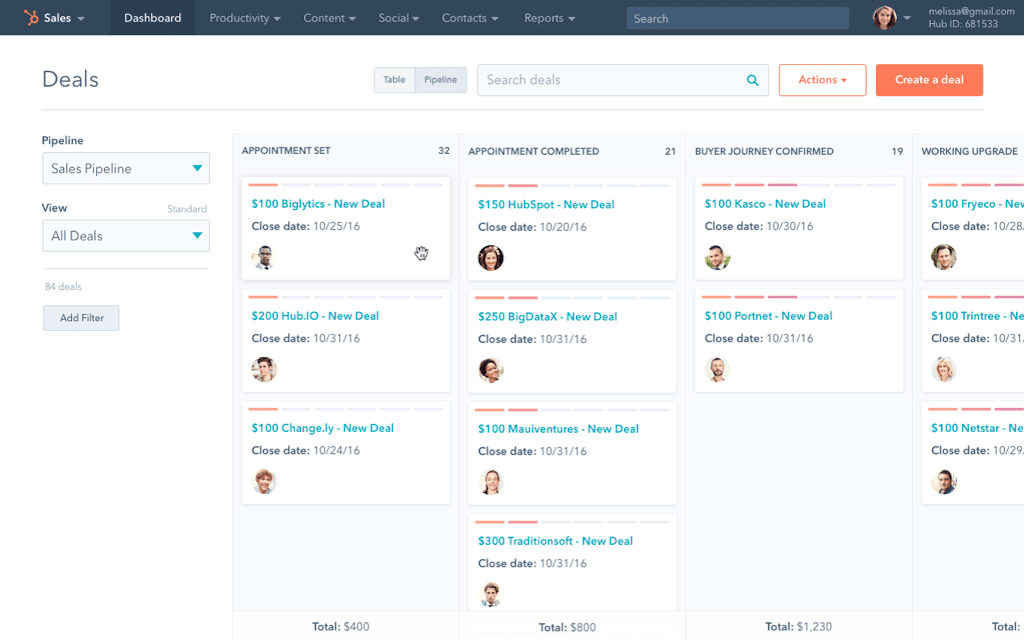
- HubSpot: HubSpot is a comprehensive inbound marketing and sales platform covering content creation, email marketing, social media management, lead generation, and analytics. Its automation features build workflows for lead nurturing, score leads based on behavior, and track content performance.
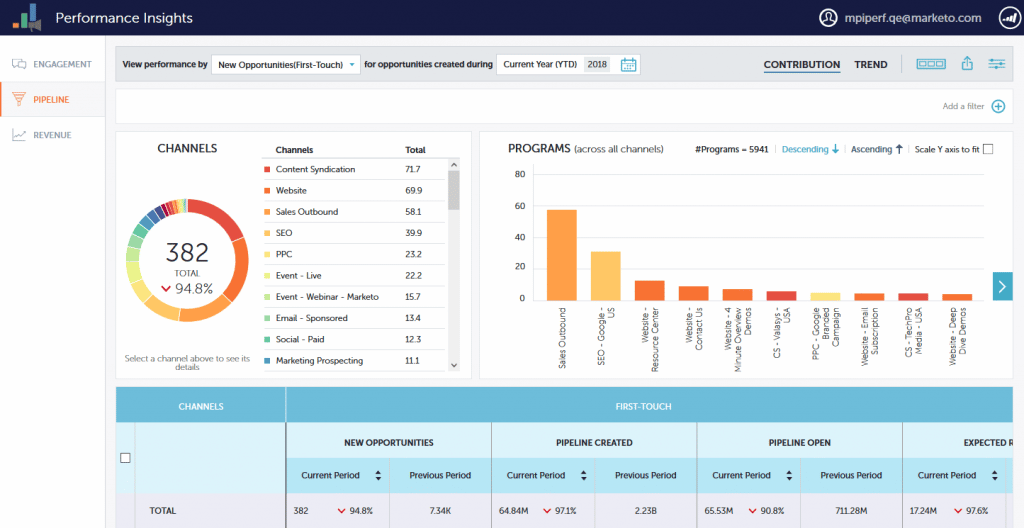
- Marketo: Marketo is a marketing automation platform offering lead management, email marketing, social media marketing, analytics, and campaign management. Its automation capabilities let marketers personalize content and communications based on user behavior and interests.
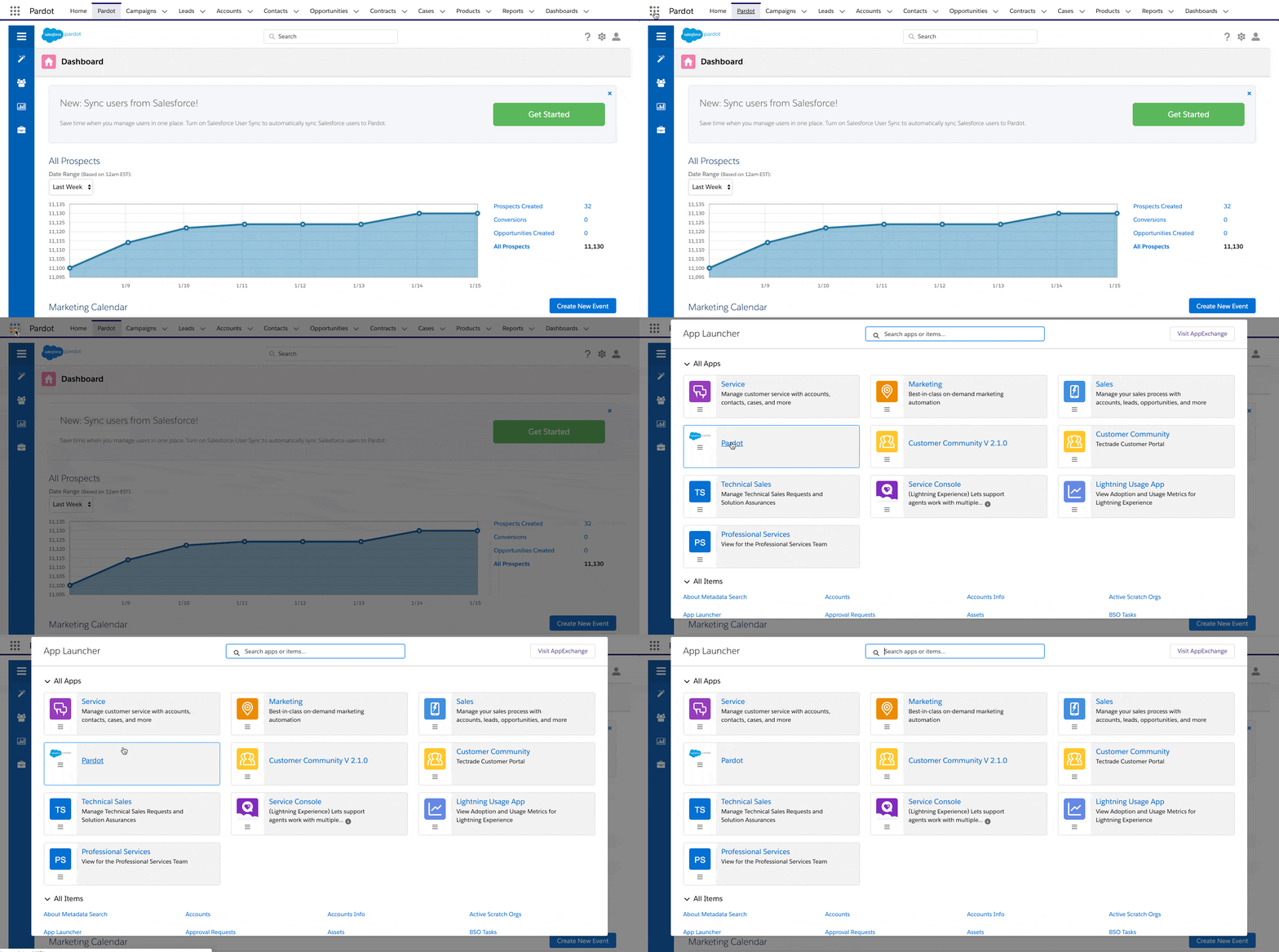
- Pardot: Pardot is a B2B marketing automation platform offering email marketing, lead generation, and lead management. Its automation capabilities include email nurturing, lead scoring, and automated drip campaigns.
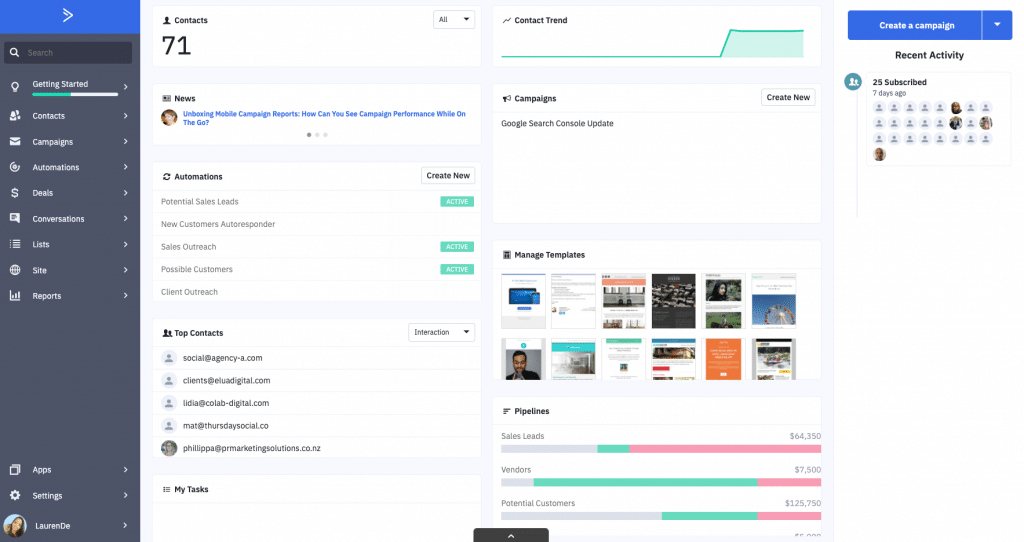
- ActiveCampaign: ActiveCampaign is a marketing automation and CRM platform offering email marketing, marketing automation, and CRM features. Its automation capabilities let marketers build sophisticated automation workflows and trigger-based email campaigns.
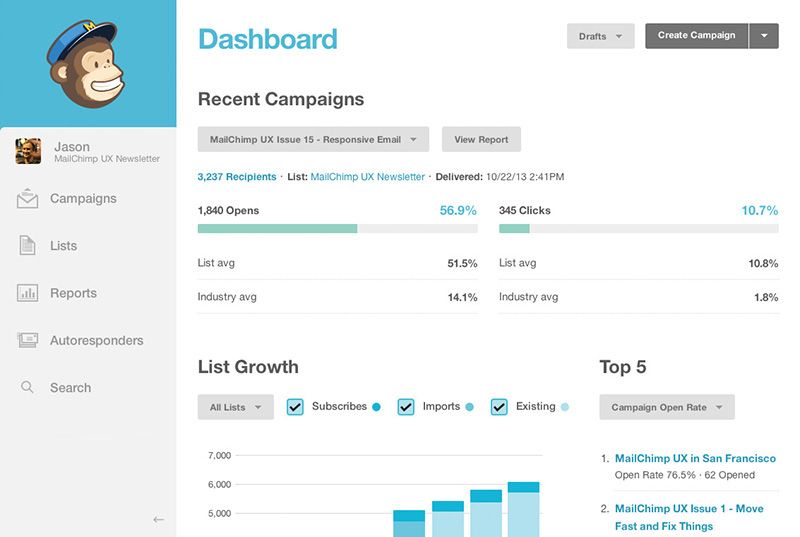
- Mailchimp: Mailchimp is an email marketing platform with automation features for creating and managing automated email campaigns. Its automation capabilities let marketers segment audiences, send personalized messages, and track email performance.
Trending AI Tools For Content Marketing
AI is playing a growing role in content marketing, helping automate tasks, personalize content, and surface data-driven insights that would otherwise take a team much longer to dig up manually.
Here are a few trending AI tools worth knowing:
- Acrolinx: An AI-powered content optimization tool that analyzes content for clarity, consistency, and tone of voice.
- Curata: A content curation platform that uses AI to suggest relevant content for curation and distribution, and can also help automate the content creation process from ideation to publishing.
- MarketMuse: An AI-driven content planning and optimization tool that analyzes content and recommends optimizations.
- Atomic Reach: An AI-powered content optimization tool that provides insights and recommendations for improving content effectiveness.
- Persado: A tool that can help improve the effectiveness of email subject lines, landing pages, and other types of content.
Ways in which content marketing and marketing automation go together
Marketing automation is a strong fit for content marketing because it makes more individualized, focused, and effective content campaigns possible, without requiring a marketer to manually manage every single send or segment.
Here are a few concrete ways automation supports content marketing directly:
- Personalization: Automation tools can tailor content based on user behavior, interests, or demographics. For instance, if a user downloads a white paper or newsletter on a certain subject, a marketer might follow up with an email offering similar material based on that interest.
- Lead nurturing: Automation supports lead nurturing through social media, targeted email campaigns, and other channels. Marketers can keep prospects engaged and move them along the sales funnel by delivering relevant, useful content.
- Automation of workflows: Automation can streamline the creation, publication, and distribution of content. For example, a marketer can set up a workflow so that publishing a new blog post automatically triggers an email or social media post.
- Analytics: Automation tools generate data on user activity and engagement with content. Marketers can use that data to revise their content strategy, sharpen campaign performance for better ROI, and spot patterns that inform future content decisions.
- Lead scoring: Based on a lead’s activity and engagement with content, automation tools can score that lead, helping marketers prioritize the ones most likely to convert.
- A/B testing: Automation can run A/B tests to find out which version of a piece of content, such as a headline, call to action, or image, performs better.
Overall, marketing automation helps content marketing efforts run more smoothly by delivering more personalized and targeted content, automating workflows, and surfacing data-driven insights that shape what gets produced next. Using these tools well lets marketers build content that actually connects with their audience and moves people further down the sales funnel, instead of publishing content and hoping it lands.
Conclusion
Marketing automation and content marketing work best as a pair rather than as separate efforts run in isolation by different people on different timelines.
By combining the creative and strategic side of content marketing with the efficiency and personalization that automation provides, you can build content that resonates with your audience, nurtures leads, and drives conversions more reliably than either discipline could manage alone.
Treat the two as connected parts of the same strategy rather than separate workstreams handled by separate teams, and each one ends up strengthening the other over time.
Content gives automation something worth sending, and automation makes sure that content actually reaches the right person at the right moment, rather than getting lost in a general newsletter or an untargeted post.
Read More
NFTs (Non-fungible token) Everything You Need To Know
Top Content Marketing Trends Every Agency Should Be Leveraging This Year
Frequently Asked Questions (FAQs)
What are leading marketing automation tool for content marketing?
Some leading marketing automation tools for effective content marketing are HubSpot, Marketo, Pardot, ActiveCampaign, and Mailchimp.
What are the major benefits of marketing automation tools?
Among many, the major benefits of using marketing automation tools include saving resources, optimising outcomes, reducing error rates, and enabling a more personalised marketing strategy.
What is content marketing?
Content marketing is a marketing strategy that involves creating and sharing valuable, relevant, and consistent content to attract and retain a clearly defined audience, with the goal of ultimately driving profitable customer action.
Content marketing trends in 2023?
Six leading trends in content marketing are interactive content, user-generated content, video content, personalization, voice search optimization, and augmented reality.
Compare alternatives to the tools in this post

- Independent picks for exactly what you just read about
- Matched to your team size & needs
- Vendors don't pay for placement
Step 1 of 4
How big is your team?
We tailor recommendations to companies your size.















Related Articles

Buyers guide
How To Choose The Best Audience Response Software For 2026
Continue reading →
Best Tools
Best Web Analytics Tools & Software: A Complete 2026 Guide
Continue reading →

Best Tools
5 Best Marketing Automation Software Tools in 2026: Find the Best Tool for Your Business
Continue reading →
Buyers guide
How To Choose The Best Contest Software To Boost Engagement For 2026
Continue reading →