
Confused about the difference between brand marketing and product marketing? Plenty of businesses are. The two disciplines pull in different directions, yet both belong in the same strategy, which is exactly why they get muddled.
This post breaks down what each concept does, where their benefits differ, and how they reinforce each other when you run them together. By the end you will know which lever to pull for a given goal, and how to keep both working toward the same result.
Key Takeaways
- Brand marketing builds a strong brand image and an emotional bond with customers, while product marketing highlights the specific features and benefits of individual products.
- Both matter in a complete strategy: brand marketing earns customer loyalty and long-term relationships, while product marketing drives immediate sales and revenue.
- Brand marketing creates lasting impressions and builds reputation over time; product marketing is more short-term, aimed at moving product now.
- Getting the two to work together is what maximizes the impact of each and keeps your messaging consistent as it attracts and engages customers.
Brand Marketing vs Product Marketing: Understanding the Difference
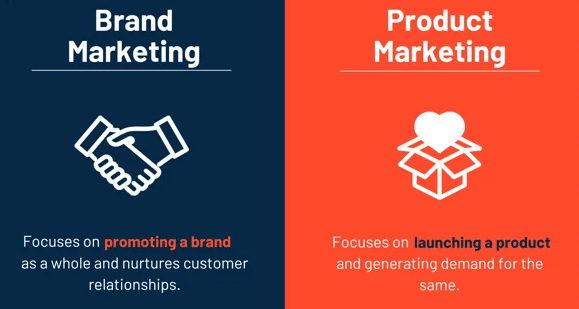
Brand marketing and product marketing serve different objectives, speak to different audiences with different messages, and operate on different timeframes. Despite that, both matter in an effective marketing strategy.
Different objectives and focus
Brand marketing sets out to build connections and relationships between a company and its customers. It works to create a lasting brand image, centered on the company’s values, mission, reputation, and the emotional bond it wants with consumers.
Product marketing, by contrast, concentrates on the specific products or services a company sells. Its priorities are driving sales and building promotional strategies for each item, with the messaging built around each product’s distinct features and benefits.
Its attention usually sits on short-term market reactions tied to a particular launch or campaign rather than on the brand as a whole. The question a product marketer asks is how a single item performs this quarter, not how the company is perceived over the next decade.
Target audience and messaging
Audience and messaging matter to both disciplines, but they diverge on who they reach and how. Brand marketing speaks to a broader audience, working to build awareness and a recognizable brand identity across a wide range of consumers.
That brand messaging communicates the company’s values, mission, and reputation, forming an emotional connection with customers. Product marketing takes the opposite tack, addressing a narrower audience by highlighting the unique features and benefits of an individual product.
Product messaging leans on detailed product information meant to drive sales and generate revenue. Both approaches call for messaging that fits the wider marketing strategy so each one lands with the audience it is meant for.
Timeframe and longevity
The two disciplines also differ on timeframe. Brand marketing works to create a lasting impression and build a reputable image for the company over a long horizon.
Its goal is brand recognition, loyalty, and an emotional connection with customers, all of which support steady, sustainable growth over years. Product marketing is more immediate, built to drive sales now by pushing the features and benefits of a specific product during its moment in the market.
Both belong in a complete strategy, so the task is to hold a balance between long-term brand building and short-term product promotion rather than betting everything on one.
Importance of both in a marketing strategy
Each discipline earns its place in a full marketing strategy. Brand marketing gives a company a strong identity and reputation, which in turn builds customer loyalty and emotional connection.
It concentrates on long-term relationships and on growing brand equity. Product marketing puts the spotlight on the features and benefits of specific products or services, and it moves sales in the short term.
When brand and product messaging line up, a business improves its visibility, its awareness, and its sales at the same time. Competing successfully means treating both as necessary parts of one strategy, not as rivals for the same budget.
Check out our article about Brand Manager and Marketing Manager.
Advantages and Benefits of Brand Marketing
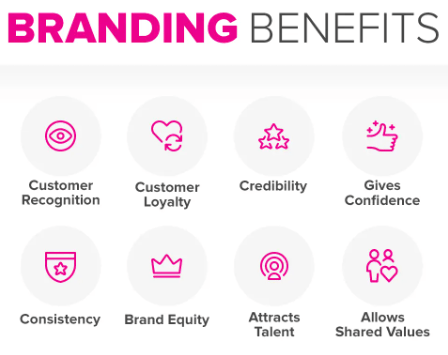
A strong brand identity sets your business apart from competitors and earns lasting customer loyalty. The sections below cover the main advantages brand marketing delivers.
Creating a strong brand identity
A strong brand identity is essential for any business trying to establish itself in a competitive market. It helps customers recognize and remember your company, your products, and your values.
Building one means crafting a distinct image that reflects your mission, your reputation, and the emotional bond you want with your audience. When you show that brand consistently through logos, colors, slogans, and messaging across channels, you earn name recognition and a positive reputation in the minds of consumers.
That work raises awareness, builds loyalty and trust, and separates you from competitors. A strong identity takes time and effort to develop, but the payoff for business growth is long-term.
Building customer loyalty and emotional connection
Brand marketing is central to earning customer loyalty and an emotional connection. By communicating a brand’s values, mission, and reputation consistently across channels, a company builds a genuine bond with its customers.
Customers who feel connected to a brand on an emotional level tend to stay loyal and keep supporting the business over time. That loyalty drives repeat purchases, and it also turns customers into advocates who spread positive word-of-mouth and bring in new buyers.
Loyalty and emotional connection are, in the end, what carry a business toward long-term growth and success. A customer who trusts a brand forgives the occasional misstep and comes back, and that repeated return is worth far more than any single sale.
Learn the Difference between Marketing and Branding.
Building brand equity and reputation
Brand equity and reputation are key to the long-term success of any business. By delivering high-quality products or services consistently, a company shows itself to be reliable and trustworthy in the eyes of consumers.
That reputation attracts new customers while keeping existing ones loyal. A strong brand image also separates a company from its competitors and creates a positive perception in the market.
Marketing efforts such as advertising campaigns and an active social media presence raise visibility and build a solid reputation that connects with the target audience.
Long-term impact on business growth
Brand marketing has a real long-term effect on growth. A strong brand identity earns customer loyalty and emotional connection, which builds brand equity and reputation and establishes a lasting relationship with customers.
A well-established brand brings repeat purchases and referrals, and those feed sustained sales growth over time. A strong brand also lets a business position itself as a market leader and set premium prices for its products or services.
The result of effective brand marketing is greater market share, higher profitability, and durable business growth. These gains compound: each new loyal customer lowers the cost of winning the next one, and a trusted name makes every product launch easier to sell.
Advantages and Benefits of Product Marketing

Product marketing puts the features and benefits of a specific product front and center, and in doing so it drives sales and revenue for the company.
Highlighting unique features and benefits
Product marketing exists to spell out the features and benefits that make a product distinct. By focusing on what sets the product apart from competitors, marketers communicate its value clearly to the customers it is meant for.
They do this with messaging that emphasizes the concrete benefits a buyer gets from using the product. Showcasing those advantages drives sales, generates revenue, and draws in new customers who want exactly what the product offers.
Strong product marketing lays out how the product works and how it solves a buyer’s problems, which is why it is essential to any successful marketing strategy.
Driving sales and generating revenue
Product marketing is a direct driver of sales and revenue. By highlighting a product’s distinct features and benefits, marketers give customers concrete reasons to buy.
Through advertising campaigns and clear messaging, product marketing builds awareness, generates interest, and turns that interest into sales. Its emphasis falls on the short-term result: acquiring customers and bringing in revenue now.
With the right product marketing in place, businesses can see meaningful gains in their profitability, because the work connects a real buyer need to a specific product and closes the gap between interest and purchase.
Providing detailed product information
Product marketing gives potential customers the detailed information they need to decide. It lays out the product’s features and benefits so buyers can make an informed choice.
By presenting the specifications, capabilities, and advantages of a product, a company communicates its value proposition and sets the product apart from competitors. Clear, concise messaging answers the questions buyers have and addresses their pain points.
That understanding builds trust with consumers and drives sales and revenue in the short term. A buyer who can see exactly what a product does, and why it beats the alternatives, decides faster and second-guesses the purchase less.
Short-term impact on customer acquisition
Product marketing is a strong driver of short-term customer acquisition. By highlighting a product’s distinct features and benefits, a business captures the attention of potential buyers quickly.
Through targeted advertising campaigns and promotions, product marketing generates sales and revenue in the immediate term. It supplies the detailed information customers need to make a purchase decision without delay.
Because its focus is visibility and awareness for a specific offering, product marketing feeds customer acquisition directly in the short term, turning a promotion or launch into measurable new buyers within days rather than months.
The Synergy of Brand Marketing and Product Marketing
The two strategies combine to create one coherent customer experience, driving long-term brand loyalty and short-term sales at once.
How they complement each other
Brand marketing and product marketing are two essential parts of a full marketing strategy. Brand marketing builds a strong identity and earns customer loyalty, while product marketing highlights the features and benefits of a specific product.
They complement each other by attracting and engaging customers from two different angles. When companies align their messaging and coordinate campaigns, they get more out of both efforts than either would deliver alone.
Good examples include advertising that shows how a product reflects the brand’s values and mission, or campaigns that promote both the company’s overall reputation and its individual products.
Collaborative strategies for maximum impact
Coordinated strategies get the most out of brand marketing and product marketing. By aligning both, a company delivers one consistent message that connects with its audience.
Practical tactics include folding brand messaging into product promotions, using consistent visual elements across every marketing material, and using customer feedback to improve both the brand and the product.
When brand marketing and product marketing operate in step, each one amplifies the other’s results and lifts the success of the whole strategy.
Examples of successful brand and product marketing campaigns
Nike’s “Just Do It” campaign is a clear example of successful brand marketing. By urging people to act and pursue their goals, Nike built a strong emotional connection with its audience.
The slogan became inseparable from the brand, deepening customer loyalty and reinforcing Nike’s standing as a leader in the athletic industry.
On the product side, Apple’s launch of the iPhone ranks among the most successful campaigns ever. The company played up the product’s distinct features and innovative design, building buzz and anticipation among consumers.
Importance of aligning brand and product messaging
Aligning brand and product messaging is key to a successful marketing strategy. When the two messages agree, they build a strong, unified identity in the minds of consumers.
That alignment shows customers how your brand values connect to the features and benefits of your products or services. It creates a clear, compelling story that connects with your audience and raises their trust in and affinity for both the brand and the products.
Consistency also prevents confusion, so customers receive one coherent message about who you are and what value you offer. In the end, aligning brand and product messaging strengthens loyalty, drives sales, and supports long-term business growth.
Conclusion
Brand marketing and product marketing play distinct but equally important roles in a marketing strategy. Brand marketing builds a strong identity and earns customer loyalty, while product marketing highlights specific features to drive sales.
The link between the two is what produces maximum impact, since the best campaigns align brand and product messaging around the same audience. Understand the difference, use both well, and a business sets itself up for long-term growth and success.
Frequently Asked Questions
What’s the difference between brand marketing and product marketing?
Brand marketing promotes a company’s identity, values, and overall image, while product marketing concentrates on individual items, their development, and their differentiation in the market.
How does retail marketing fit into this?
Retail marketing plays a role in both brand management and product positioning. It targets consumer behavior to promote both the business as a whole and the specific goods or services it provides.
Can you explain how these strategies handle consumer behavior differently?
Brand marketing works to shape consumers’ overall perception of a company and build loyalty toward that business, whereas product marketing works to drive sales for individual products by focusing on their features, advantages, and uses.
Where does market segmentation come into play here?
Market segmentation is key to both strategies. It helps businesses identify different groups within their customer base so they can tailor branding campaigns or develop new products that better suit specific customer needs.

- Independent picks for exactly what you just read about
- Matched to your team size & needs
- Vendors don't pay for placement
Step 1 of 4
How big is your team?
We tailor recommendations to companies your size.















Related Articles

Buyers guide
How To Choose The Best Audience Response Software For 2026
Continue reading →

Best Tools
Best Web Analytics Tools & Software: A Complete 2026 Guide
Continue reading →

Best Tools
5 Best Marketing Automation Software Tools in 2026: Find the Best Tool for Your Business
Continue reading →

Buyers guide
How To Choose The Best Contest Software To Boost Engagement For 2026
Continue reading →