
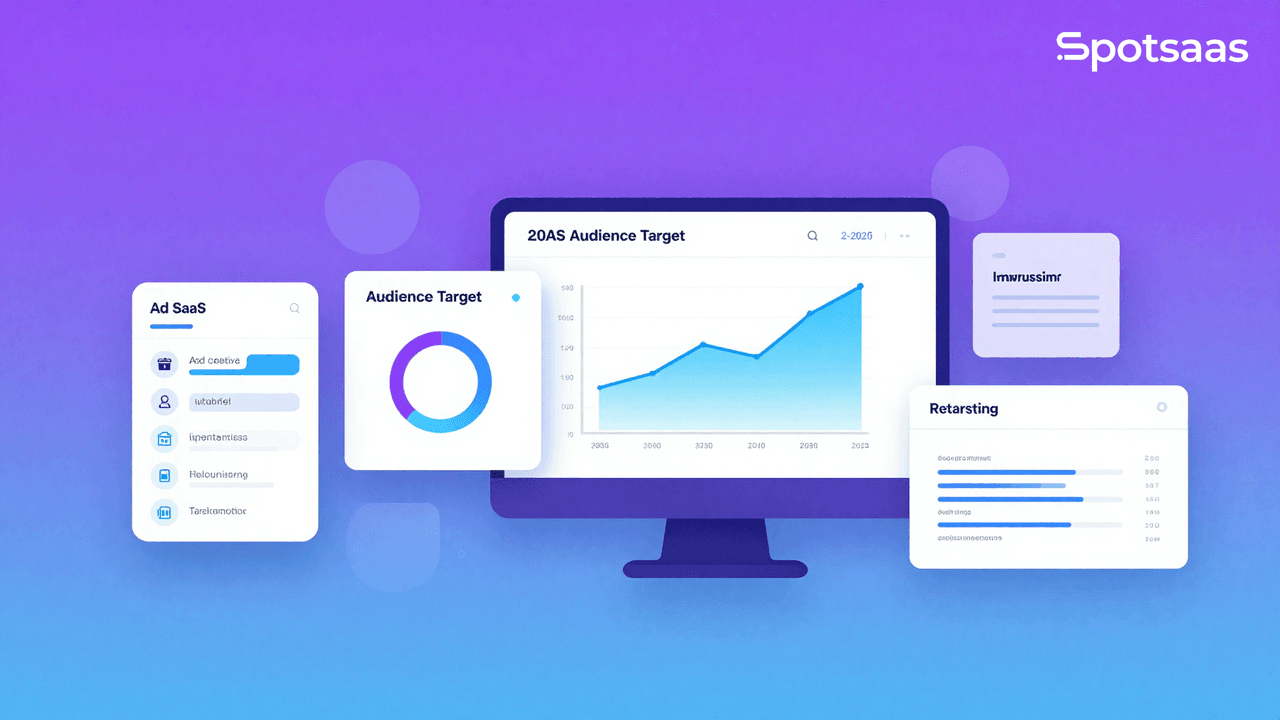
What Is Display Advertising Software and How Does It Work?
Display advertising software helps companies create, manage, and optimize graphical ads on websites, social media, or mobile apps. These ads are primarily banners, videos, pop-ups, and other forms of interactive content built to engage your target customers.
With display advertising software, businesses can automate ad placement, target and reach a specific audience segment, and examine campaign performance metrics to get a better return on ad spend. It uses AI-driven insights to guide ad spending, clicks, and audience segmentation, adjusting continuously as new performance data comes in rather than waiting for a manual campaign review.
Why Should You Use Display Advertising Software?
Display ads software helps companies build brand awareness and reach the right audience across websites, social media, and apps. It automates ad placement, optimizes budget, and tracks performance in real time.
Businesses can lift engagement, drive conversions, and improve ad efficiency, making for a more effective, fully data-driven advertising strategy that doesn’t rely on guesswork to decide where the next ad dollar goes.
Building stronger brand visibility
Display ads keep a brand’s presence active across digital channels, keeping it in the minds of potential customers. These ads show up strategically across websites, social media, and mobile apps to reach your target audience effectively.
Continuous ad impressions build brand recall and recognition. The more visible a business is, the more it can influence purchase decisions and strengthen its market presence, especially against competitors fighting for the same attention in a crowded feed.
Advanced targeting capabilities for precision reach
Businesses can refine audience targeting based on demographics, interests, behaviors, and browsing history. This makes sure ads reach the users most likely to engage with the brand.
Advanced targeting lifts conversion rates by reaching the right people at the right time. Retargeting options help businesses re-engage potential customers who have previously interacted with their brand, so interest that would otherwise fade gets a second chance to convert.
Driving engagement with interactive ads
Interactive, visually appealing ads grab users’ attention more than static content does. Animations, videos, and clickable elements are why users tend to click on the ads. Engaging ads increase brand recall and drive traffic to the website, and higher engagement rates contribute to better ad performance and ROI.
Automating ad placement for efficiency
Programmatic advertising automates bidding, ad placement, and audience targeting for more cost-effective campaigns. This reduces manual effort and keeps ads on high-traffic, relevant platforms.
Automation helps businesses optimize ad budgets and maximize reach. AI-powered algorithms adjust bids in real time to improve ad efficiency, freeing up marketing teams to focus on strategy instead of babysitting individual placements.
Using performance analytics for smarter campaigns
Real-time tracking and reporting tools give insight into ad performance, letting businesses track impressions, clicks, and conversions. Businesses can spot trends, optimize campaigns, and allocate budgets accordingly.
Performance analytics support data-driven decisions that continually sharpen ad performance. A/B testing tools help refine ad creatives and targeting strategies.
Expanding reach with multi-platform campaigns
Display advertising software can run ads across multiple networks, such as the Google Display Network, Facebook, Instagram, and third-party sites. This widens audience reach and strengthens cross-channel marketing efforts.
Multi-platform advertising is one of the more reliable ways to keep a brand presence consistent across different digital touchpoints, since audiences move between apps, browsers, and social feeds throughout the day.
What Are the Key Features of Display Advertising Software?
Display advertising software typically includes ad creation tools, audience targeting, and automated programmatic advertising for efficient bidding. Multi-channel campaign management lets businesses run ads across different platforms from one dashboard.
Performance analytics and A/B testing help optimize campaigns for better results, while fraud protection features prevent wasted ad spend and keep engagement genuine across every channel in use.
Easy ad creation with built-in tools
Built-in templates and design tools let business owners create visually appealing ads without graphic design skills. Drag-and-drop features help quickly customize banners, videos, and interactive ads.
AI-driven design recommendations optimize ad creatives for better engagement, keeping the visuals professional and consistent even when several team members are producing creative at once.
Audience targeting for maximum impact
Advanced targeting options like Unlock connect your business with its ideal audience through precise geographic, demographic, behavioral, and retargeting features, helping you engage the right people at the right time.
Retargeting features help re-engage users who have visited a website but haven’t made a purchase. Precise targeting increases ad efficiency and maximizes ROI.
Programmatic advertising for smarter bidding
Automated bidding and ad placement optimize ad delivery by aiming for the best prices for ad slots. AI-driven algorithms analyze user behavior and place ads where they’re most likely to convert.
Programmatic advertising cuts down the need for manual adjustments, saving time and reducing inefficiencies. This automation leads to better ad performance and more cost-effective campaigns, particularly for teams running dozens of ad sets at once.
Managing campaigns across multiple channels
From a centralized dashboard, a business can view and manage multiple display ads across its websites, social media, and mobile apps, making deployment and monitoring far more straightforward.
A cross-channel approach keeps messaging and branding consistent across different platforms, so a business can run campaigns efficiently across devices and audience segments without managing separate logins and dashboards for each network.
Performance analytics and reporting tools
Real-time data tracking measures key ad metrics such as impressions, clicks, conversions, and ROI, helping refine the ad strategy by flagging which ads are high performers and which are underperforming.
Customizable dashboards give an at-a-glance overview of campaign performance, so businesses can use the data to make informed adjustments and get more out of their advertising.
Integrating with marketing platforms
Integration with CRM, email marketing, and analytics platforms helps businesses refine their marketing strategies and sharpen customer insights. Seamless workflows support lead nurturing, personalization, and optimized ad performance.
A/B testing lets marketers compare creatives, messaging, and CTAs to improve engagement and conversions. Continuous testing keeps decisions data-driven and ads more effective over time.
Fraud protection for ad spend security
Fraud detection features protect businesses from wasting ad budget on bots, click farms, and other fraudulent activity. AI-powered security tools monitor traffic sources and flag suspicious activity.
This means more of the ad budget goes toward genuine, high-value interactions instead of being wasted. Fraud prevention also helps improve ad credibility and overall campaign effectiveness, which matters more as programmatic buying expands into a wider range of ad exchanges.
What Are the Benefits of Display Advertising Software?
Display advertising software tends to lift conversion rates because of highly targeted, visually attractive ads. Automation reduces manual work, making campaign management more effective.
A well-optimized bidding strategy helps maximize ad spend and improves cost efficiency, and added data insights sharpen the refinement of a business’s advertising over time.
Higher conversion rates with targeted ads
Personalized, targeted ads are more likely to convert users into an engaged audience. Display advertising software uses AI to match the right ads to the right users. Retargeting features help recover potential customers who leave without converting.
Reducing manual work with automation
Automation features streamline campaign setup, bidding, and audience targeting, cutting down the need for manual adjustments. Businesses can build rules-based optimizations that keep ads performing efficiently without constant checks.
This saves time so the focus shifts to strategy rather than routine input. Automated workflows improve overall ad performance while saving effort and cost, which adds up over the course of a long-running campaign.
Cost efficiency with optimized bidding
Optimized bidding strategies help advertisers get more return on their ad spend by cutting overspending on low-performing placements. AI-driven budgets help direct investment toward the right, high-converting audience.
Programmatic advertising cuts inefficiencies while maximizing ROI, so businesses can run data-driven campaigns and get more for less, even when budgets are tight and every dollar has to justify itself.
Improving brand awareness
Consistent, visually appealing advertisements reinforce a brand’s promise to customers. Continuous exposure across multiple channels keeps companies in the minds of prospective customers.
High-quality creatives and compelling messaging help build stronger brand associations. Display ads contribute to long-term brand awareness and audience engagement.
Data-driven marketing decisions
Advanced analytics give businesses actionable insight for refining their advertising strategies. Real-time campaign performance tracking lets marketers adjust bids, targeting, or creatives as needed.
Data-driven decisions keep the door open for ongoing optimization, so ad results keep improving. AI-powered analytics can surface trends that shape future campaigns, sometimes flagging opportunities a manual review would take weeks to notice.
What Types of Display Advertising Software Are Available?
Demand-side platforms (DSPs) let advertisers buy ad placements programmatically across several networks. Ad networks connect an advertiser to publishers so ads can display on relevant websites.
Social media advertising platforms handle placement on Facebook, LinkedIn, and TikTok. Retargeting platforms focus on re-engagement, while native advertising platforms blend ads into a website’s content for better engagement.
Demand-side platforms (DSPs) for automated ad buying
DSPs let advertisers programmatically purchase ad inventory across varied networks. These systems offer real-time bidding to optimize ad delivery and cost. Once campaign parameters are set, AI handles the bidding for the right audience. DSPs let advertisers scale their reach without manually intervening in ad purchasing.
Examples: Google Display & Video 360, The Trade Desk
Ad networks for broader reach
Ad networks act as intermediaries, connecting advertisers with publishers to display ads on relevant websites. They provide access to a range of publishers, ensuring broad ad placement. Advertisers can select specific categories or audiences for targeted ad delivery, which helps brands expand their reach and visibility across different digital spaces.
Examples: Google Display Network, Microsoft Advertising. Both give advertisers access to a large pool of publisher inventory without negotiating placements site by site.
Social media advertising platforms for targeted campaigns
These platforms help businesses build and manage display ads on social media. They offer audience segmentation, retargeting, and engagement tracking for stronger ad performance.
Social media ad platforms also help brands make use of user-generated content and influencer collaborations, connecting with active audiences on platforms like Facebook, Instagram, and LinkedIn.
Examples: Facebook Ads Manager, LinkedIn Ads, TikTok Ads
Retargeting platforms for reconnecting with prospects
Retargeting platforms focus on reaching users who have already interacted with a brand’s website or ads. They use cookies and tracking pixels to serve personalized ads, encouraging users to complete their purchases.
These platforms improve conversion rates by reminding potential customers about products they viewed. Retargeting is a cost-effective way to bring in sales from already-interested buyers.
Examples: AdRoll, Criteo
Native advertising platforms for seamless integration
Native ad platforms let companies advertise using ads that blend into a website’s content, appearing as a sponsored article, recommended post, or in-feed content.
Because these ads don’t disrupt the browsing experience much, they tend to see higher engagement rates since they complement a user’s natural surfing behavior. Native advertising can build brand awareness without annoying users, which matters more as ad-blocker usage keeps rising.
How Do You Choose the Best Display Advertising Software?
Picking the right display advertising software is essential for running successful ad campaigns, improving targeting accuracy, and maximizing return on investment (ROI). The right tool helps businesses reach their audience effectively while keeping ad spend under control, rather than paying for features that never get used.
What Goals Should You Set for Display Advertising Software?
Understanding your primary objectives makes sure the software aligns with your advertising goals, giving you better control, automation, and campaign performance.
Enhance Ad Targeting
Good display advertising software should let advertisers target audiences based on criteria such as demographics, user behavior, location, and interests. This level of targeting makes sure ads reach the most relevant audience, improving conversion rates.
Improve Campaign Performance
With AI-driven insights and real-time optimization, display ad software improves campaign performance by dynamically adjusting ad placements, bids, and targeting strategies, helping businesses get more out of their advertising budget.
Increase Brand Visibility
The software should offer access to a wide network of publishers and ad exchanges, so businesses can display ads across premium websites, mobile apps, and video platforms, maximizing exposure and brand awareness.
Streamline Campaign Management
Managing multiple campaigns effectively takes the right approach. A good display advertising platform should have automation features that simplify tasks such as budget allocation, creative optimization, and reporting, saving time and effort.
Optimize Ad Spend
With detailed analytics and machine learning, businesses can allocate budgets more effectively, keeping ads in high-performing placements with minimal waste.
Which Display Advertising Software Models Should You Consider?
Understanding the available models helps businesses choose the right platform based on their needs, technical capabilities, and budget.
Programmatic Advertising Platforms
These platforms use artificial intelligence (AI) and real-time bidding (RTB) to automate ad buying. They analyze audience data to place ads on high-performing websites, improving efficiency and cutting costs.
Self-Serve Ad Platforms
Self-serve platforms suit businesses that want full control over their ad campaigns. They let advertisers create, manage, and track ads independently, with flexibility in budget control and campaign adjustments.
Managed Display Advertising Services
For businesses without in-house expertise, managed services offer end-to-end campaign management, including creative design, audience targeting, and performance optimization, without requiring hands-on management.
Contextual Advertising Tools
These tools analyze website content and user intent to place ads in the most relevant environments. Instead of relying on behavioral data, they make sure ads show up where they’re most contextually appropriate.
How Should You Handle Data Requirements for Display Advertising?
How well display advertising software performs depends heavily on its integration with other data sources and analytics tools to sharpen targeting and performance measurement.
CRM and Customer Insights
Integrating display ad software with customer relationship management (CRM) systems means ads can be personalized based on past interactions, preferences, and purchase history, leading to higher engagement and conversion rates.
Analytics and Attribution
Strong analytics let advertisers track ad impressions, clicks, conversions, and customer journeys. Advanced attribution models help businesses determine which channels and creatives drive the best results.
Retargeting Capabilities
Retargeting features let businesses reconnect with potential customers who have previously shown interest in their websites or content, reminding these visitors of their initial engagement.
Compliance with Privacy Regulations
Adhering to privacy regulations such as the GDPR and CCPA is essential for protecting consumer trust and maintaining your organization’s reputation. The software should offer tools for consent management and data privacy to avoid legal complications.
What Features Matter Most in Display Advertising Software?
Choosing software with both essential and advanced features supports smoother campaign execution, optimization, and analysis.
Core Features
Cross-Channel Advertising
A platform that lets businesses run campaigns across multiple channels, such as display networks, social media, mobile apps, and video streaming platforms, ensures comprehensive reach.
Audience Segmentation
Granular audience segmentation lets advertisers refine targeting strategies by breaking down audiences based on age, location, interests, and browsing behaviors.
Ad Creative Management
A built-in ad creation and management tool helps businesses design, A/B test, and optimize ad creatives without needing external software.
Budget Management and Bidding Strategies
Automated budget allocation and intelligent bidding strategies help advertisers land the best placements at optimal costs.
Performance Tracking and Reporting
Real-time reporting dashboards give advertisers insight into campaign performance, helping them refine strategies for better engagement and ROI.
Advanced Features
AI-Powered Optimization
AI-driven algorithms analyze real-time ad performance and dynamically adjust targeting, bidding, and placements.
Dynamic Ad Personalization
Advanced personalization tools let advertisers create dynamic ads based on user behavior and real-time intent.
Fraud Detection and Prevention
The best display ad platforms offer built-in fraud detection tools to prevent invalid clicks and protect ad spend.
Heatmaps and Engagement Analysis
Some tools provide heatmaps and engagement tracking, helping advertisers understand how users interact with display ads.
How Can You Track and Analyze Display Ad Performance?
A solid reporting system helps businesses understand campaign performance and improve strategies based on real-time insight.
Conversion Tracking
Comprehensive tracking tools give detailed insight into user actions after interacting with ads.
Ad Placement Performance
Knowing which ad placements drive the most engagement lets advertisers focus on high-performing platforms.
Customizable Dashboards
Dashboards displaying real-time campaign metrics let businesses monitor performance and make data-driven adjustments.
Exportable Reports
Reports in formats like Excel or PDF help teams share insights and refine their strategies.
What Are the Pricing Models and Cost Factors?
Understanding pricing structures helps businesses pick a software solution that aligns with their budget while getting the most out of ad spend.
Cost-Per-Impression (CPM)
This model charges advertisers per 1,000 impressions, ideal for building brand awareness.
Cost-Per-Click (CPC)
Advertisers pay only when users click on their ad, linking spend directly to engagement.
Performance-Based Pricing
Some platforms charge based on conversions, offering more cost control and a sharper ROI focus.
Subscription-Based Pricing
Monthly or annual subscriptions provide access to premium features for long-term strategies.
Is the Software Scalable for Growth?
The software should be able to scale with business growth, handling increased ad volume and campaign complexity.
Handling Traffic Volumes
Make sure the platform can support high traffic loads during busy periods.
Multi-Campaign Support
Support for managing multiple campaigns helps target different segments at the same time.
API and Third-Party Integrations
Smooth integration with analytics, CRM, and other tools supports better data flow and control.
What Support and Training Resources Are Available?
Reliable support and accessible training resources help teams get more value from the platform.
Customer Support
24/7 assistance helps resolve issues quickly and minimize campaign downtime.
Training Resources
Guides, tutorials, and webinars help teams get more out of the platform.
How Do the Top Display Advertising Platforms Compare?
The comparison table below lays out the best display advertising software based on key features, pricing, and best use cases.
It compares Google Display & Video 360 for programmatic buying, Facebook Ads Manager for social ads, AdRoll for retargeting, The Trade Desk for enterprise bidding, and Outbrain for native advertising, giving businesses the information they need to choose the best fit.
| Software | Pricing (per month) | Key Features | Customers |
|---|---|---|---|
| Google Display & Video 360 | Custom Pricing |
|
Enterprises, digital marketers |
| The Trade Desk | Custom Pricing |
|
Brands, agencies |
| Facebook Ads Manager | Pay-as-you-go |
|
Small businesses, e-commerce brands |
| LinkedIn Ads | Pay-as-you-go |
|
SaaS companies, corporate brands |
| Criteo | Custom Pricing |
|
Online retailers, fashion brands |
| AdRoll | Starting at $9 |
|
E-commerce brands, startups |
| Outbrain | Pay-per-click |
|
Media companies, digital marketers |
Final Verdict on Choosing Display Advertising Software
Display advertising software is crucial for businesses looking to build brand visibility, engage target audiences, and optimize ad performance. With automation, advanced targeting, and analytics, these tools make campaign management more efficient and cost-effective, even for lean marketing teams.
The right choice of software depends on business goals, budget, and integration requirements. Whether the focus is programmatic advertising, retargeting, or social media campaigns, the right solution can meaningfully improve ad effectiveness and ROI over time.
Compare alternatives to the tools in this post

- Independent picks for exactly what you just read about
- Matched to your team size & needs
- Vendors don't pay for placement
Step 1 of 4
How big is your team?
We tailor recommendations to companies your size.















Related Articles
Buyers guide
Best MFA Software in 2026: 12 Multi-Factor Authentication Tools Compared
Continue reading →
Buyers guide
Best SSO Software in 2026: 12 Single Sign-On Providers Compared
Continue reading →
Buyers guide
Twilio Alternatives 2026: 6 Compared and What They Cost
Continue reading →
Buyers guide
How To Choose The Best Freelance Platforms For 2026
Continue reading →